
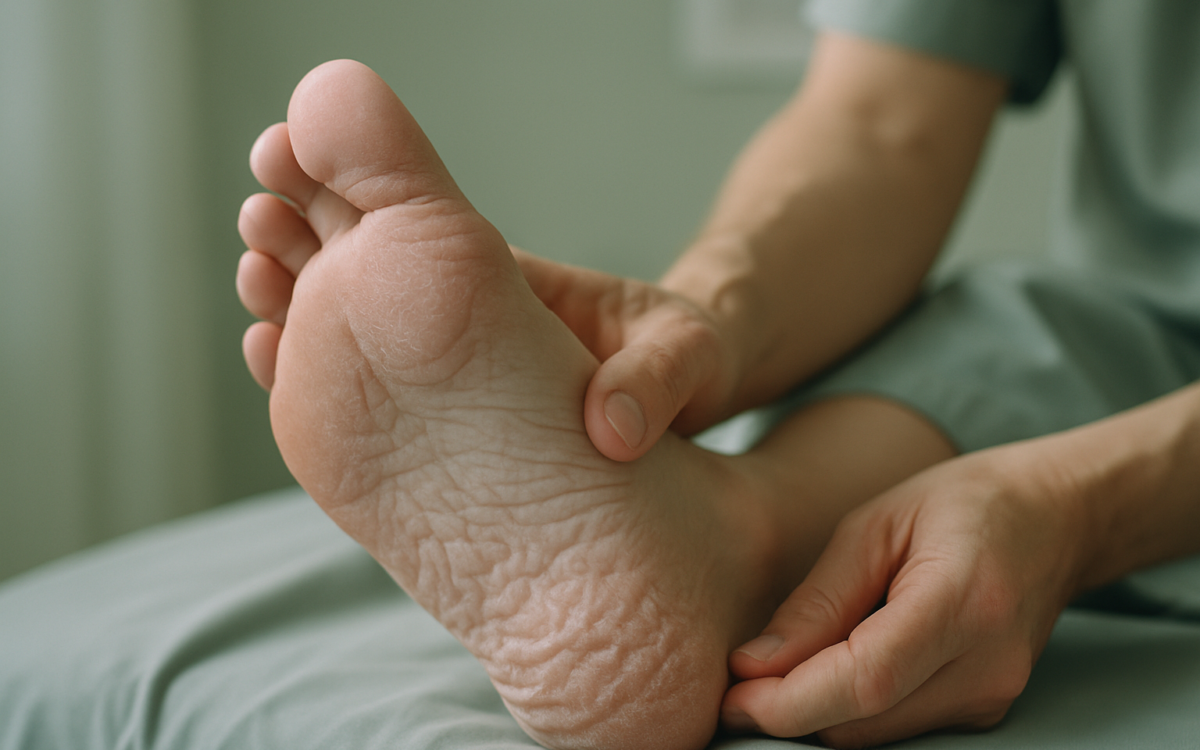
Macerated skin is a condition that occurs when the skin becomes excessively moist, leading to damage and irritation. You might have noticed this when your fingers prune after being in water too long. In more serious cases, maceration can happen in areas of the body that are consistently wet, such as between skin folds or around a wound. Understanding macerated skin can help us take better care of our skin and prevent complications.
What is macerated skin?
Macerated skin is defined as skin that has absorbed too much moisture, resulting in a swollen, softened appearance. This condition can be caused by prolonged exposure to water or moisture, often compromising the skin’s natural barrier. Symptoms may include peeling, cracking, and a change in skin color, often appearing white or grayish.
Common causes of macerated skin
Several factors contribute to the development of macerated skin. Here are the most common causes:
- Prolonged exposure to water: Staying in water for an extended period, such as swimming, bathing, or showering, can soften the skin.
- Excessive moisture: Conditions such as sweating, incontinence, or wearing tight clothing can trap moisture against the skin.
- Inadequate drainage: Wounds or lesions that do not drain properly can become macerated.
- Skin folds: Areas such as underarms, groin, and between toes are prone to excessive moisture due to sweat and friction.
Who is at risk?
While anyone can experience macerated skin, certain individuals are more susceptible. This includes:
- Individuals with incontinence: Constant moisture from urine can lead to maceration.
- Those with compromised mobility: People who have difficulty moving may be unable to keep their skin dry.
- Patients with chronic wounds: Those with non-healing wounds or stomas often experience moisture buildup.
- Athletes: Frequent sweating and friction from exercise gear can exacerbate the problem.
Signs and symptoms
The signs of macerated skin can vary based on the severity and duration of moisture exposure. Common symptoms include:
- Softened skin: The skin may feel sponge-like and appear moist.
- Discoloration: A change in skin color, often appearing pale or grayish, is common.
- Peeling: The outer layer of skin may begin to slough off, leading to discomfort.
- Odor: Chronic moisture can lead to an unpleasant smell, especially if bacteria are present.
Treatment and care for macerated skin
If you suspect that you or someone you know has macerated skin, certain care measures can help in recovery:
- Keep the area dry: Gently pat the afflicted area dry and use moisture-wicking materials when possible.
- Avoid prolonged moisture exposure: Limit time spent in wet environments and take breaks from extended bathing or swimming.
- Use barrier creams: Applying protective creams or ointments can help shield the skin from excessive moisture.
- Monitor for infection: Watch for signs of infection, such as increased redness, swelling, or discharge.
Prevention strategies
Preventing macerated skin is crucial, particularly for individuals at a higher risk. Here are some basic strategies:
- Practice good hygiene: Regularly clean and dry areas prone to moisture accumulation.
- Wear breathable fabrics: Choose clothing made from moisture-wicking and breathable materials.
- Stay hydrated: Drinking enough water helps maintain skin health, though it won’t directly prevent maceration.
- Address underlying health conditions: Managing conditions like diabetes can help reduce risk factors.
When to see a doctor
It’s important to consult a healthcare professional if maceration becomes severe or if there are signs of infection. Signs that warrant a visit include:
- Increased pain or discomfort in the affected area
- Signs of infection, such as swelling, heat, or pus
- Persistent maceration for more than a week despite self-care
- New or worsening symptoms
Conclusion
Macerated skin is a common yet often overlooked condition that can lead to more serious skin issues if not addressed properly. Understanding its causes, symptoms, and treatment options is essential for maintaining healthy skin. With appropriate care and preventive measures, managing macerated skin syndrome becomes easier, making a real difference in the quality of life for those affected. For those with persistent issues, it’s always best to consult a healthcare professional for tailored advice and treatment options.
