
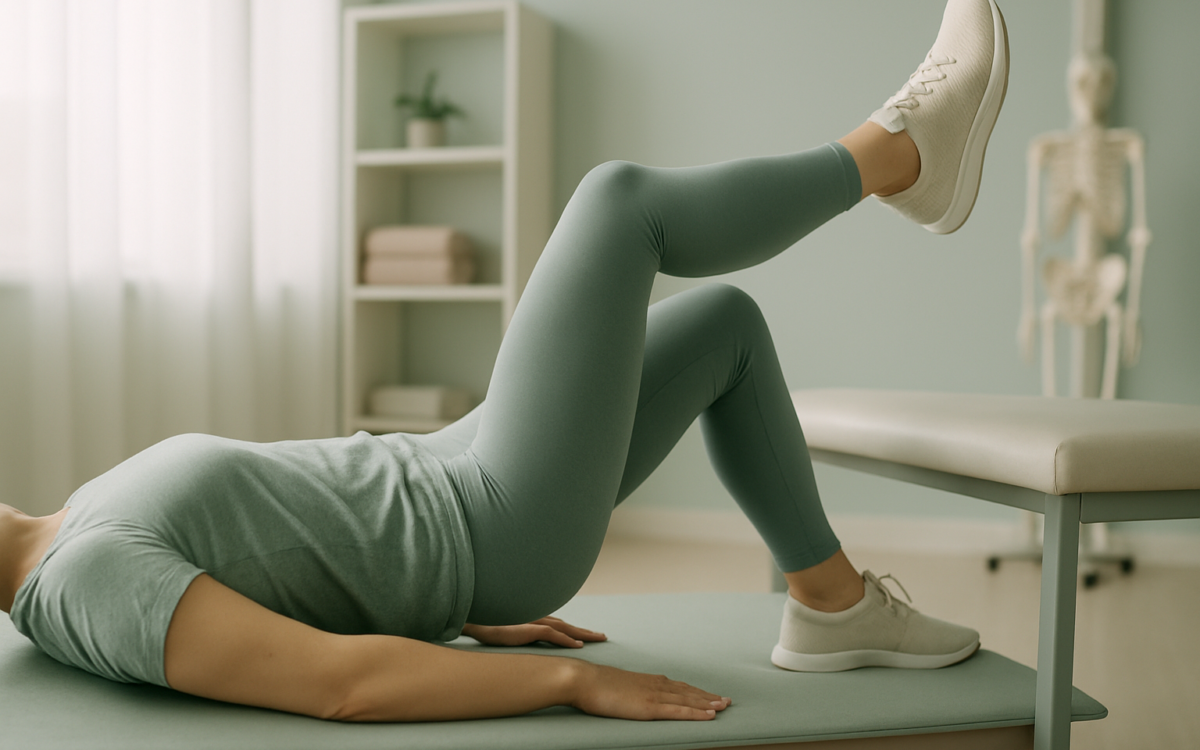
The single leg hip thrust is a powerful exercise that focuses on building strength and stability in your lower body. Often overlooked in traditional strength training routines, this movement emphasizes the glute muscles while also engaging the core and improving overall balance. Whether you are an athlete looking to boost your performance or simply someone seeking to enhance your fitness, integrating single leg hip thrusts into your routine can yield impressive results.
What Is a Single Leg Hip Thrust?
The single leg hip thrust targets the gluteus maximus, one of the largest muscles in your body, responsible for hip extension, rotation, and abduction. This exercise involves lying on your back with your shoulders supported on a bench, with one foot planted on the ground and the other leg extended straight. By lifting your hips off the ground using just one leg, you activate your glutes intensely while also engaging your hip flexors and stabilizer muscles.
The Benefits of Single Leg Hip Thrusts
- Enhanced Glute Strength: Focusing on one leg at a time helps build unilateral strength, which is crucial for daily activities and sports performance.
- Improved Core Stability: As you lift your hips, your core works to stabilize your body, promoting better posture and balance.
- Injury Prevention: Strengthening the glutes can reduce the risk of lower back injuries and knee issues, making it an essential move for athletes and fitness enthusiasts alike.
- Versatility: The single leg hip thrust can be performed anywhere and requires minimal equipment, making it an accessible option for all fitness levels.
How to Perform a Single Leg Hip Thrust
To get the most out of the single leg hip thrust, technique is key. Here’s a step-by-step guide:
- Start by sitting on the floor, leaning your shoulders against a bench or sturdy surface.
- Roll a barbell or place a weight plate over your hips for added resistance, if desired.
- Bending one knee, place that foot flat on the ground while extending the opposite leg straight out.
- Press through the heel of the grounded foot to lift your hips towards the ceiling. Squeeze your glutes at the top.
- Lower your hips back down without touching the ground and repeat.
It’s important to maintain control throughout the movement. Avoid overarching your back and use your glutes to lift your body, rather than relying on momentum.
Common Mistakes to Avoid
While the single leg hip thrust is generally safe, some common mistakes can reduce its effectiveness or lead to injury. Here are a few to watch out for:
- Overarching the lower back: Focus on using your hips to lift rather than creating excessive curvature in your back.
- Not engaging the core: Your core should be actively engaged to provide stability during the lift.
- Using too much weight too soon: Start with your body weight until you master the movement before adding extra resistance.
Integrating Single Leg Hip Thrusts into Your Routine
Single leg hip thrusts can be a vital addition to various workout programs. Here are some tips for integrating this exercise effectively:
- Warm-up: Always begin your sessions with a proper warm-up to prepare your muscles.
- Frequency: Aim for 2-3 times a week, allowing for rest days to let your muscles recover.
- Combination Exercises: Pair single leg hip thrusts with complementary moves, like squats or lunges, for a balanced lower body workout.
When to See a Doctor
If you experience persistent pain, discomfort, or swelling in your hips, lower back, or knees during or after performing single leg hip thrusts, consider consulting a healthcare professional. It’s also wise to check in if you have a history of injuries or chronic pain before starting any new exercise program. For more information on muscle injuries and care, visit the Mayo Clinic.
Conclusion
The single leg hip thrust is an effective exercise that benefits not only your glutes but also your overall strength and stability. By focusing on correct form and gradually increasing intensity, you can enjoy the many advantages this movement offers. Remember to listen to your body and, if in doubt, consult with healthcare or fitness professionals to ensure you’re on the right track. Happy lifting!
