
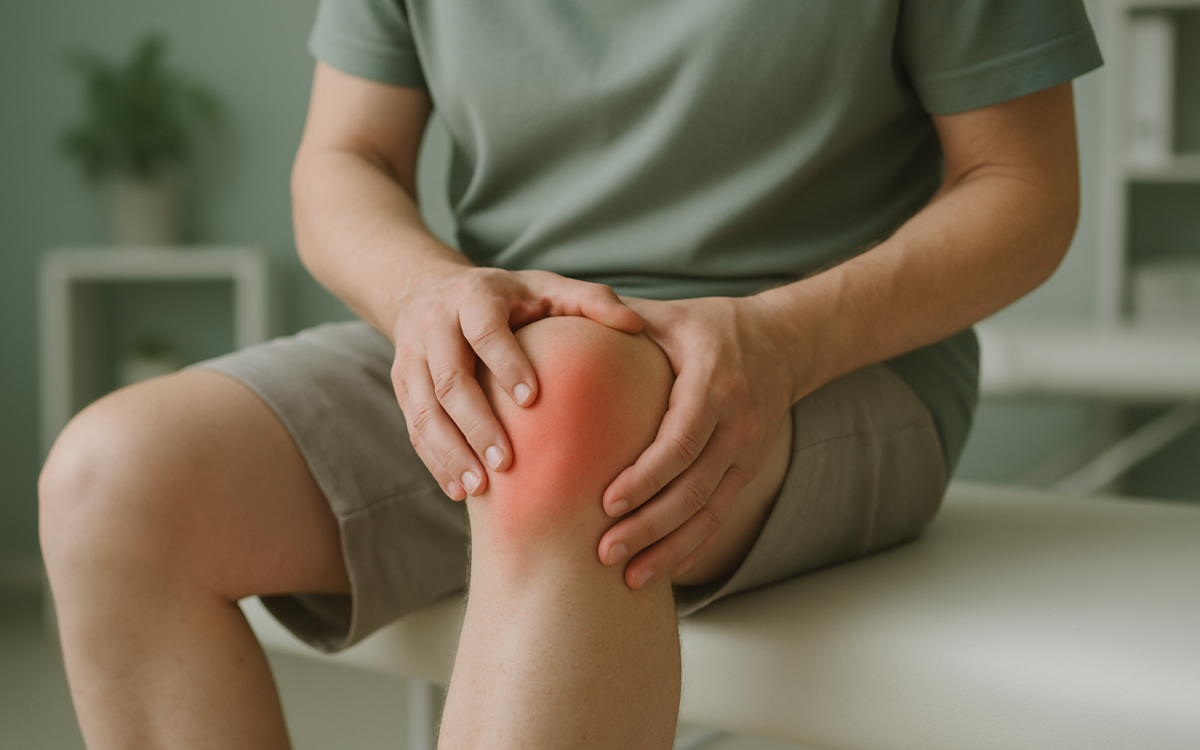
Gout is often viewed as a condition that strikes the feet, specifically the big toe, but it can also impact other joints, including the knee. This painful inflammatory arthritis can confuse many, especially when it manifests in areas not commonly associated with gout. Understanding gout in the knee, its symptoms, causes, and how to manage it can help individuals regain comfort and improve their quality of life.
What is Gout?
Gout is a form of arthritis that occurs when there is an excess of uric acid in the bloodstream, leading to the formation of sharp crystals in the joints. These crystals can provoke intense inflammation and pain. While it commonly affects the big toe, it can also occur in the knee and other joints.
Symptoms of Gout in the Knee
When gout affects the knee, symptoms can be quite noticeable and include:
- Severe pain: The pain from gout can come on suddenly and be quite intense, often described as throbbing or stabbing.
- Swelling: The knee may become visibly swollen and tender to the touch.
- Redness: The skin over the affected knee may appear red or shiny.
- Limited range of motion: Movement may be painful, restricting how much you can bend or straighten the knee.
- Warmth: The knee joint may feel warm compared to the surrounding areas.
These symptoms can mimic other types of arthritis, making it crucial to understand and differentiate them.
Causes of Gout in the Knee
Several factors can lead to the development of gout in the knee, including:
- High uric acid levels: Conditions that raise the levels of uric acid in the blood can cause gout. This may be due to diet, kidney function, or other underlying health issues.
- Diet choices: Consuming foods high in purines, like red meat, shellfish, and sugary drinks, can trigger excessive uric acid production.
- Health conditions: Conditions such as obesity, diabetes, and hypertension can increase the risk of developing gout.
- Genetics: A family history of gout can also put you at a higher risk.
- Medications: Some diuretics and other medications can lead to increased uric acid levels.
Identifying the root causes of gout is essential for effective management and prevention.
Diagnosing Gout in the Knee
To diagnose gout in the knee, a healthcare professional will typically:
- Review your medical history and symptoms.
- Perform a physical examination of the knee.
- Order blood tests to check uric acid levels.
- Possibly conduct joint fluid analysis to look for uric acid crystals.
Accurate diagnosis is akin to unlocking the door to effective treatment.
Managing Gout in the Knee
Management of gout in the knee includes several strategies:
Medications
Doctors often prescribe medications to reduce inflammation and pain. Common medications include:
- Nonsteroidal anti-inflammatory drugs (NSAIDs) like ibuprofen or naproxen.
- Corticosteroids to reduce inflammation quickly.
- Colchicine to help relieve pain, especially in acute attacks.
In addition, long-term management may involve medications that lower uric acid levels, helping to prevent future attacks.
Dietary Changes
Making dietary adjustments can significantly help manage gout. Consider:
- Reducing intake of purine-rich foods.
- Staying well-hydrated with water.
- Limiting alcohol and sugary beverages.
- Incorporating more fruits, vegetables, and whole grains into your diet.
In some instances, individuals may benefit from international patient services that provide access to specialized dietary and medical guidance.
Weight Management
Maintaining a healthy weight can reduce the risk of gout attacks. Losing weight gradually can decrease uric acid levels and reduce stress on joints.
Non-Pharmacological Treatments
Various non-drug interventions may be useful:
- Resting the joint: Taking breaks can reduce pain during flare-ups.
- Ice therapy: Applying ice to the knee can help relieve swelling and pain.
- Physical therapy: Working with a physical therapist can strengthen muscles around the knee and improve mobility.
These methods complement medication and can enhance overall treatment effectiveness.
Preventing Future Gout Attacks
To reduce the likelihood of future attacks, consider these preventative measures:
- Regular check-ups with your healthcare provider.
- Following a prescribed treatment plan.
- Staying active and maintaining a balanced diet.
Preventative care is essential for individuals living with gout to reduce fear and anxiety surrounding potential flare-ups.
When to See a Doctor
If you experience severe knee pain, swelling, or redness, it’s essential to consult a doctor promptly. Early diagnosis and intervention can help manage symptoms and prevent further joint damage. Seek medical attention if:
- Pain persists after self-care measures.
- You develop a fever along with joint pain.
- The swelling increases or spreads to other areas.
Conclusion
Gout in the knee can be an excruciating condition that disrupts daily life. Understanding its symptoms, causes, and management options can empower you to take control of your health. By adopting a holistic approach that includes medical treatment, lifestyle changes, and ongoing communication with healthcare professionals, individuals can reduce the frequency and intensity of gout attacks. Remember, if you’re uncertain or in pain, consulting your doctor is always the best course of action.
