
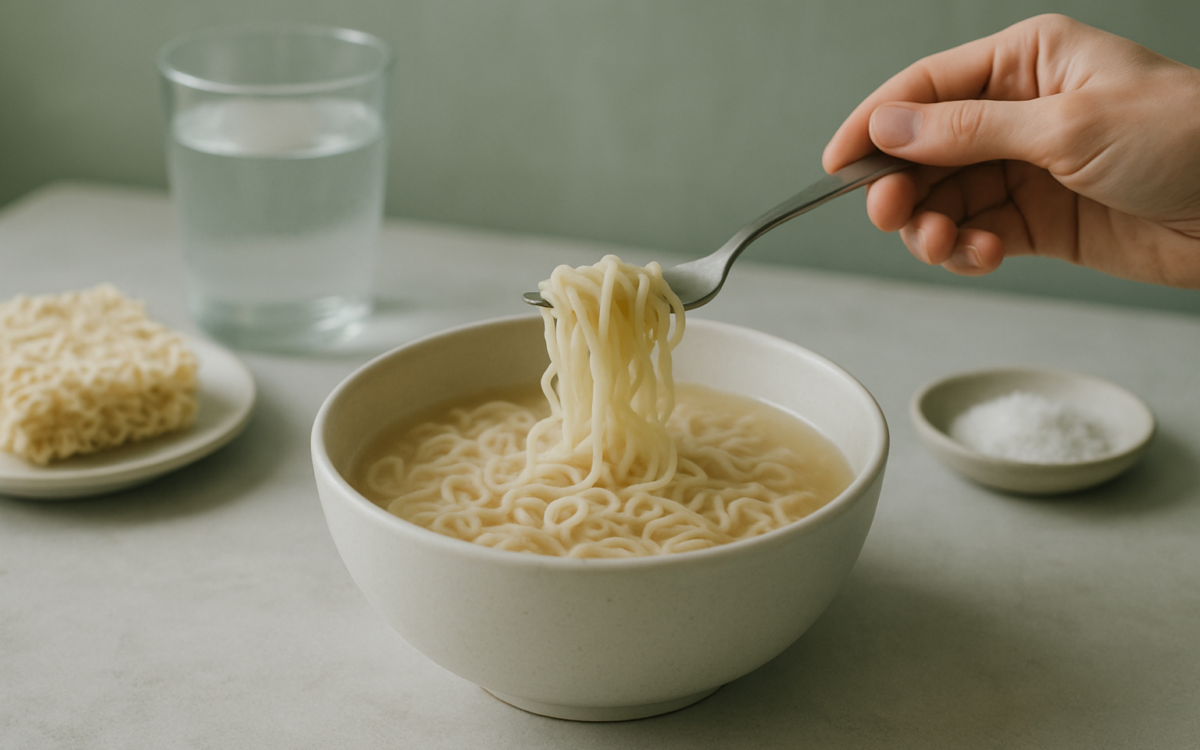
If you’ve ever enjoyed a steaming bowl of ramen, you know how satisfying it can be. The rich broth, the flavorful noodles, and a variety of toppings make it a favorite for many. Unfortunately, traditional ramen can be high in sodium, which isn’t the best for your health. Fortunately, low sodium ramen noodles are a perfect solution that allows you to enjoy this beloved dish without the guilt. Let’s take a deeper dive into what low sodium ramen is, its benefits, and how you can make delicious meals with it.
Understanding Sodium and Its Effects on Health
Sodium, while essential for various bodily functions such as maintaining fluid balance and proper nerve function, is commonly consumed in excess. Most health experts recommend an intake of less than 2,300 milligrams per day, and ideally around 1,500 milligrams for optimal heart health.
High sodium intake can lead to several health issues, including:
- High blood pressure: Over time, too much sodium can cause your body to retain water, increasing blood pressure and putting strain on your heart.
- Heart disease: A diet consistently high in sodium can contribute to heart diseases and stroke.
- Kidney damage: Excessive sodium can eventually lead to kidney issues as your kidneys work overtime to eliminate the extra sodium from your body.
By opting for low sodium ramen noodles, you’re taking a step towards a healthier diet while still enjoying this comfort food classic.
Benefits of Low Sodium Ramen Noodles
Low sodium ramen noodles have several key benefits, making them a wise choice for anyone looking to manage their sodium intake:
- Heart Health: With lower sodium levels, you’re less likely to experience spikes in blood pressure, promoting overall heart health.
- Flavor Variety: Low sodium options still offer plenty of flavors, and with the right seasonings and toppings, you can enhance your dish without the salt.
- Easy to Prepare: Just like traditional ramen, low sodium versions are quick and easy to prepare, making them a convenient meal option for busy individuals.
How to Choose and Prepare Low Sodium Ramen Noodles
When shopping for low sodium ramen noodles, look for packages that explicitly state “low sodium” on the label. Many brands offer flavored sachets that are also low in sodium. When preparing your ramen, here are some tips to enhance flavor without adding too much sodium:
- Add Fresh Ingredients: Incorporate fresh vegetables like spinach, carrots, or bell peppers. These not only boost nutrition but also add flavor and texture.
- Use Herbs and Spices: Experiment with garlic, ginger, sesame oil, or chili flakes to create a more robust flavor.
- Homemade Broth: Make your own broth using low sodium ingredients or stock made from bones and vegetables.
These techniques will keep your ramen exciting and flavorful!
International Perspectives on Ramen
Ramen has deep cultural roots in Japan, but its popularity has spread globally, resulting in diverse interpretations. For a healthier take, some countries have focused on prioritizing quality ingredients and lower sodium options in their ramen recipes. International health organizations like Acibadem International emphasize the importance of healthy eating while enjoying culinary traditions. This perspective allows you to appreciate ramen not just as a dish but as a cultural experience that can be enjoyed within balanced dietary choices.
Creative Low Sodium Ramen Recipes
Here are a couple of easy and delicious low sodium ramen recipes you can try at home:
Vegetable Ramen Stir-Fry
- Cook ramen noodles according to package instructions.
- Stir-fry a mix of your favorite vegetables such as broccoli, bell peppers, and carrots in a bit of olive oil.
- Add cooked noodles and a splash of low sodium soy sauce or tamari.
- Sprinkle with sesame seeds and serve hot.
Spicy Miso Ramen
- Prepare ramen noodles according to the package instructions.
- In a separate pot, combine low sodium broth, a spoonful of miso paste, and chili flakes.
- Add cooked ramen to the broth, along with spinach and green onions.
- Cook until spinach wilts, and serve piping hot.
These meals are nutritious and simple to make while being low in sodium.
When to See a Doctor
If you have underlying health conditions, such as hypertension or kidney disease, it’s crucial to consult with a healthcare provider regarding your dietary sodium intake. Keeping track of your sodium consumption can help you remain within a healthy range.
Conclusion
Low sodium ramen noodles provide a delicious way to enjoy this beloved dish without compromising your health. By incorporating fresh ingredients and experimenting with flavors, you can create satisfying meals that fit your health goals. Remember to consult with your healthcare provider if you have questions about your dietary needs. Enjoy your ramen adventure!
