
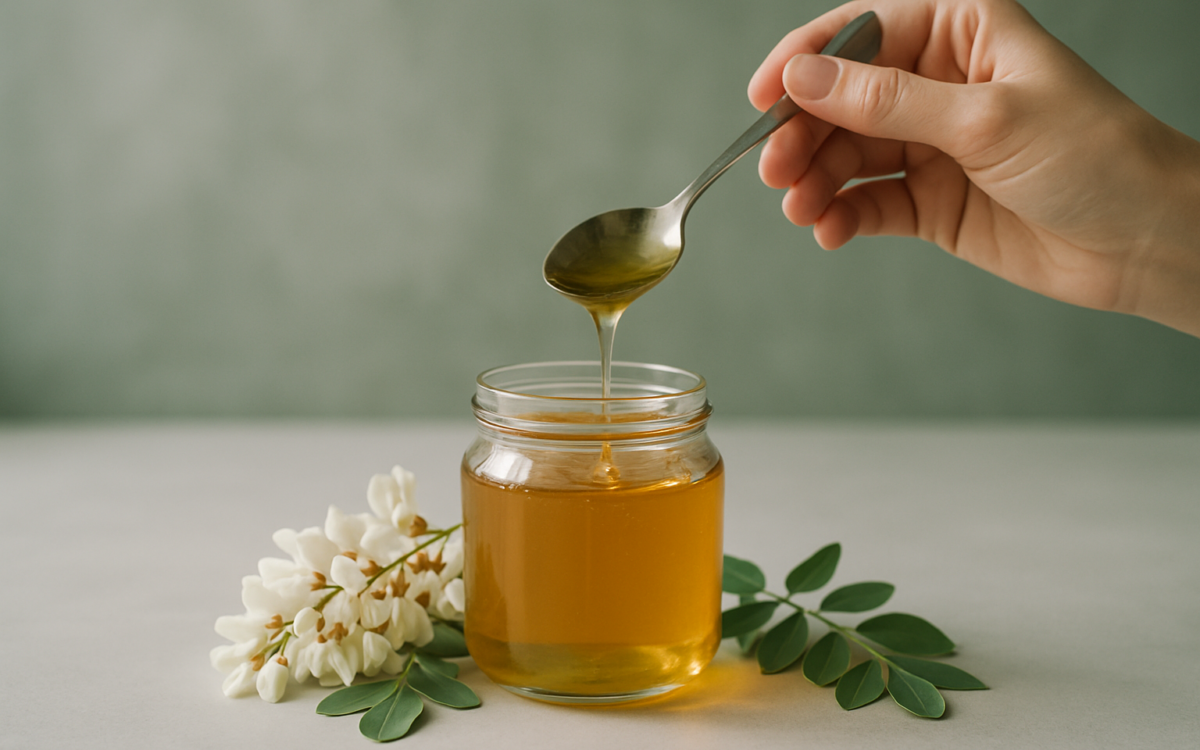
Sweet, smooth, and flavorful, acacia honey is a delightful addition to your pantry. But beyond its pleasant taste, this golden nectar carries a variety of potential health benefits and uses that make it worth exploring. In this article, we will dive into what acacia honey is, its nutritional profile, potential health benefits, culinary uses, and what you should know before incorporating it into your diet.
What is Acacia Honey?
Acacia honey is produced by bees that collect nectar from the blossoms of the black locust tree, also known as the acacia tree. The light color and mild flavor make it distinguishable from other honey varieties. This honey is primarily sourced from regions where these trees thrive, such as parts of Europe, North America, and Asia.
Nutritional Profile of Acacia Honey
One tablespoon of acacia honey contains about 64 calories, primarily from carbohydrates. It consists mainly of fructose and glucose, which not only give it sweetness but also allow for quick energy release. Acacia honey is also rich in antioxidants, which can help combat free radicals in the body. These antioxidants include compounds such as flavonoids and phenolic acids, which contribute to its health-boosting properties.
Potential Health Benefits
While more research is needed to support many of the touted health benefits of acacia honey, preliminary studies indicate several areas where it may offer advantages:
1. Antioxidant Properties
The antioxidants present in acacia honey may help reduce oxidative stress in the body. Regular consumption of antioxidant-rich foods may be linked to a lower risk of chronic diseases. According to the National Institutes of Health, antioxidants are critical in preventing cell damage.
2. Soothing Effects on Coughs
Honey, in general, has been used for centuries as a natural remedy for coughs and sore throats. Acacia honey, specifically, may help coat the throat, providing relief from irritation. The Centers for Disease Control and Prevention (CDC) suggests honey as a suitable alternative to over-the-counter cough medicines for children over the age of one.
3. Potential Anti-inflammatory Effects
Some studies suggest that honey can have anti-inflammatory properties, which may help reduce inflammation in the body. Incorporating acacia honey into your diet could contribute to better overall health, though more thorough research is needed.
4. A Natural Sweetener
For those looking for healthier alternatives to refined sugars, acacia honey can be an excellent option. Its lower glycemic index compared to traditional table sugar means it could potentially have less impact on blood sugar levels. However, moderation is key, as honey is still calorically dense.
Culinary Uses of Acacia Honey
Acacia honey’s mild flavor makes it a versatile ingredient in the kitchen. Here are some popular ways to incorporate it into your meals:
- In Beverages: Add a spoonful of acacia honey to tea, coffee, or smoothies for a natural sweetness.
- As a Sweetener: Use it in place of sugar in recipes for baked goods or dressings.
- On Breakfast Foods: Drizzle it over oatmeal, yogurt, or pancakes for added flavor.
- In Marinades: Combine with other ingredients to create a flavorful marinade for meats or vegetables.
Considerations When Using Acacia Honey
While acacia honey has many potential benefits, it is essential to be aware of a few considerations:
- Allergies: Some individuals may have allergies to honey or the pollen it contains. If you have known allergies, consult with a healthcare provider before trying acacia honey.
- Children: Honey should not be given to children under one year old due to the risk of botulism, a rare but serious illness.
- Moderation: Despite its benefits, honey is still high in sugar and calories. Enjoy it in moderation as part of a balanced diet.
When to See a Doctor
If you experience any adverse reactions or allergic symptoms after consuming acacia honey, such as difficulty breathing, swelling, or a rash, it is important to seek medical attention promptly. Additionally, consult with your healthcare provider if you have conditions like diabetes or are managing your blood sugar levels, as honey can impact these.
In conclusion, acacia honey is more than just a sweetener; it’s a food with potential health benefits and versatile culinary uses. Its light flavor and unique properties make it a wonderful addition to a healthy diet. As always, it’s essential to explore new foods mindfully and consult your doctor if you have specific concerns or health conditions.
