
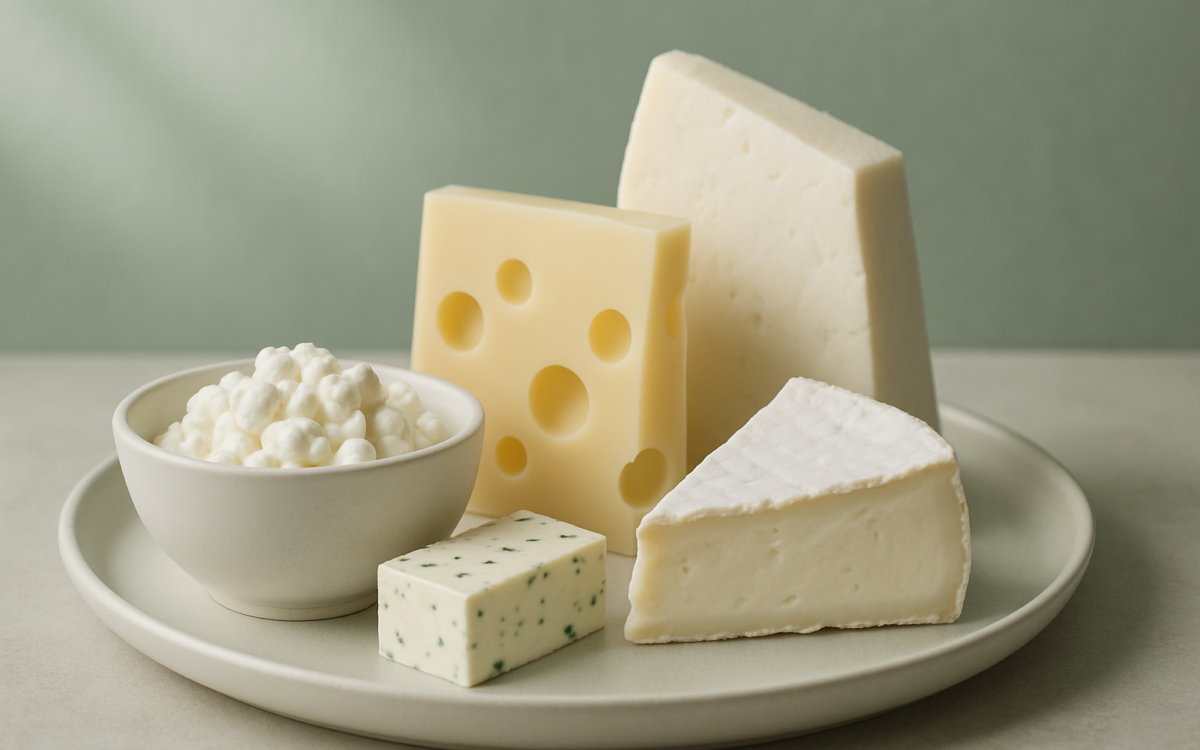
Creamy, tangy, and delicious—cheese is a beloved food around the world. From pizzas to cheesecakes, it’s hard to imagine meals without this versatile dairy product. However, with numerous varieties available, it can be challenging to determine which cheeses are the healthiest choice. In this article, we’ll explore various types of cheese, their nutritional profiles, and how to incorporate them into a balanced diet.
Understanding Cheese Nutrition
Cheese is primarily made from milk and is a rich source of various nutrients. It typically contains protein, fat, vitamins, and minerals. For many, cheese serves as an excellent source of calcium, which is essential for strong bones and teeth. However, not all cheeses are created equal. Some are high in saturated fats and sodium, which can pose health risks if consumed excessively.
Types of Cheese and Their Health Benefits
Several types of cheese stand out when it comes to health benefits. Here are some of the healthiest options:
1. Cottage Cheese
Cottage cheese is low in fat and high in protein, making it an excellent choice for those looking to maintain a healthy weight. It’s versatile and can be enjoyed on its own or mixed with fruits for added flavor. Additionally, it is packed with calcium and other essential nutrients, making it a nutritious option for all ages.
2. Mozzarella
Particularly fresh mozzarella, is relatively low in fat compared to other cheese types. It contains about 22 grams of protein per serving and is a good source of calcium and phosphorus. Mozzarella can enhance salads, pizzas, and more without adding excessive calories or fat.
3. Feta
Feta cheese is typically lower in fat than some aged cheeses. Made from sheep or goat’s milk, it offers a distinctive flavor and is rich in B vitamins. It can be a great addition to salads and wraps, providing a burst of flavor and a nutrient boost.
4. Ricotta
Ricotta is creamy and rich in protein while being lower in fat than many aged cheeses. It’s an excellent ingredient for both savory and sweet dishes. Due to its nutrient profile, ricotta can be beneficial for muscle health and recovery.
Low-Fat Cheeses: A Healthy Choice?
Low-fat cheeses can be an appealing option for those looking to reduce their calorie intake while still enjoying cheese. These cheeses are made by removing some of the fat, which results in fewer calories. However, it’s essential to read the labels. Some low-fat cheeses may contain added sugars or fillers that can detract from their health benefits.
Cheese Serving Suggestions
Incorporating cheese into your diet can be simple and delicious. Here are some ways to include healthier cheese options:
- Add to salads: A sprinkle of feta or fresh mozzarella can enhance flavors.
- Use in cooking: Add ricotta to pasta dishes or use cottage cheese in pancakes for a protein boost.
- Pair with fruits: Pair cottage cheese with berries or feta with watermelon for a refreshing snack.
The Impact of Cheese on Heart Health
While cheese can be part of a healthy diet, it’s essential to consider its impact on heart health. Some cheeses are high in saturated fat, which may raise cholesterol levels and contribute to heart disease. However, recent studies suggest that cheese may have neutral or even positive effects on cardiovascular health when consumed in moderation (NIH). The key is to choose cheese varieties wisely and enjoy them as part of a balanced diet.
When to See a Doctor
If you have specific dietary restrictions or health conditions, such as lactose intolerance or high cholesterol, it’s essential to consult your healthcare provider before making changes to your diet. They can provide personalized advice tailored to your individual health needs.
Conclusion
Cheese can be a delightful addition to your meals, offering various flavors and nutritional benefits. By choosing healthier options like cottage cheese, mozzarella, feta, and ricotta, you can enjoy cheese without compromising your health. Remember to consume cheese in moderation, balance it with a variety of foods, and consult with a healthcare professional if you have any dietary concerns.
