
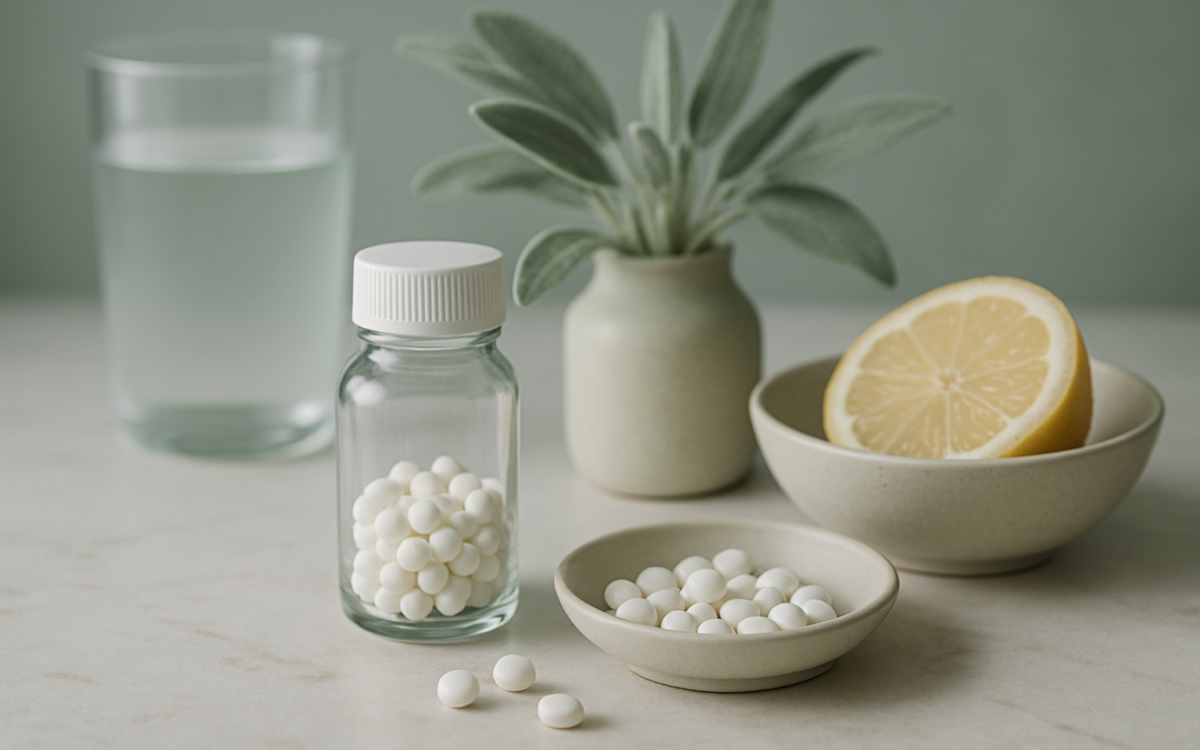
Allergies can sometimes feel overwhelming, leaving you with itchy eyes, sneezing, and a runny nose. While many people turn to conventional antihistamines for relief, there is a growing interest in natural alternatives. These remedies come from plants and foods, promoting a gentler approach to managing allergy symptoms. In this article, we’ll explore some of the most effective natural antihistamines and how they work to help you breathe easier.
n
What are Natural Antihistamines?
n
Natural antihistamines are substances derived from nature that can help reduce the production of histamine, a compound released during allergic reactions. When your body encounters allergens—like pollen, pet dander, or dust—histamine is released, leading to symptoms like sneezing and itching. Natural antihistamines can minimize this response by blocking histamine or dampening its effects.
n
Foods with Antihistamine Properties
n
Some foods can serve as natural antihistamines to help alleviate allergy symptoms. Incorporating these into your diet may provide some relief:
n
- n
- Citrus Fruits: Oranges, lemons, and grapefruits are rich in vitamin C, which can help reduce histamine levels in the body. Vitamin C also supports the immune system.
- Ginger: This spicy root can act as an anti-inflammatory, and some studies suggest it may also act as a natural antihistamine.
- Garlic: Garlic contains quercetin, a compound known for its antihistamine effects. Eating fresh garlic may support your overall immune response.
- Onions: Similar to garlic, onions are high in quercetin, which may help block histamine production.
- Turmeric: The active component in turmeric, curcumin, exhibits anti-inflammatory properties and may help counteract allergy symptoms.
n
n
n
n
n
n
Herbs Known for Their Antihistamine Effects
n
Certain herbs are renowned for their natural antihistamine effects. Here are a few you might consider:
n
- n
- Stinging Nettle: Historically used to treat allergies, stinging nettle may help block histamine receptors. It is often consumed in tea form or as supplements.
- Butterbur: Studies suggest butterbur can effectively reduce symptoms of hay fever. However, ensure you choose a PA-free extract to avoid potential liver toxicity.
- Rooibos: This caffeine-free tea contains antioxidants and antihistamines that may help soothe allergic reactions.
n
n
n
n
Essential Oils for Allergy Relief
n
Essential oils can also provide comfort during allergy season. Some oils possess natural antihistamine properties:
n
- n
- Eucalyptus Oil: With its refreshing scent, eucalyptus oil can help open nasal passages and relieve sinus pressure.
- Lavender Oil: Known for its calming effects, lavender oil may also reduce allergy symptoms when inhaled or used in aromatherapy.
- Peppermint Oil: This oil can help relax the respiratory muscles and alleviate nasal congestion.
n
n
n
n
Other Natural Approaches to Consider
n
Beyond foods and herbs, there are other natural approaches that might help manage allergies:
n
- n
- Local Honey: Some people believe that consuming local honey can help build immunity against local pollen, although scientific evidence is limited.
- Probiotics: Maintaining a healthy gut is vital for immune health. Probiotics can help balance gut bacteria, potentially improving your immune responses.
- Acupuncture: This traditional practice may offer relief from allergy symptoms by helping to balance the body’s energy.
n
n
n
n
Precautions and Considerations
n
While natural antihistamines can be helpful, it’s essential to consider a few precautions:
n
- n
- Always consult your doctor before trying new herbs or supplements, especially if you are taking medications or have existing health conditions.
- Be cautious with dosage and source; quality can vary significantly across products.
- Natural does not always mean safe; certain herbs can have side effects.
n
n
n
n
When to See a Doctor
n
If your allergy symptoms are severe, persistent, or not improving with natural treatments, it is important to consult a healthcare professional. You should seek medical attention if you experience:
n
- n
- Difficulty breathing
- Swelling of the face or throat
- Severe headache or sinus pain
- Symptoms that interfere with your daily life
n
n
n
n
n
Conclusion
n
Natural antihistamines can offer a gentle alternative for managing allergy symptoms. From dietary changes to herbal remedies and essential oils, many options may help ease discomfort. However, it’s crucial to approach these remedies with awareness and to consult healthcare professionals when necessary. By exploring the best of nature’s offerings, you can create a personalized strategy for battling allergies and enjoying the great outdoors again.
