
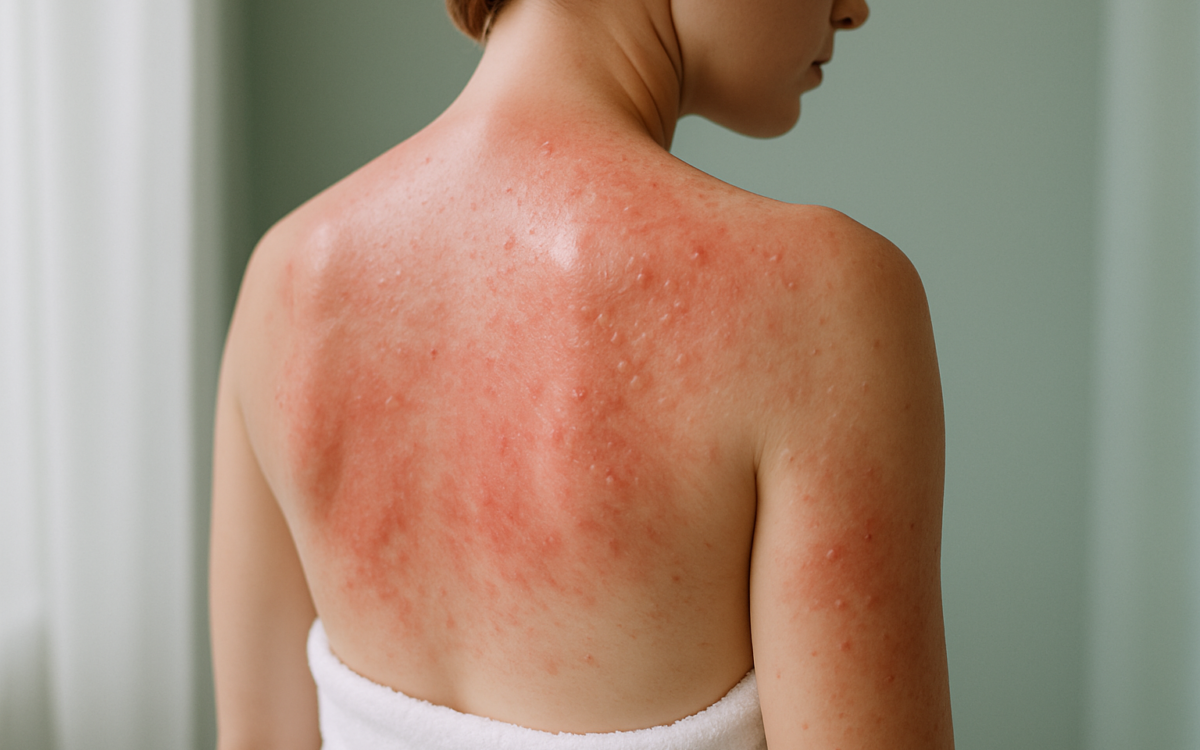
As summer approaches and more people head outdoors, the risk of sun exposure and sunburn increases. While most sunburns are minor and heal quickly, some individuals may experience a more severe reaction known as sun poisoning. This condition is not only painful but can also lead to complications if not treated properly. In this article, we’ll explore what sun poisoning looks like, how to recognize its symptoms, and the best ways to manage it.
What is Sun Poisoning?
Sun poisoning is a term used to describe a severe reaction to sun exposure, usually as a result of prolonged and unprotected exposure to ultraviolet (UV) rays. Unlike regular sunburn, which primarily involves skin redness and pain, sun poisoning might also include systemic symptoms. According to the Centers for Disease Control and Prevention (CDC), UV radiation can cause both immediate effects like sunburn and more long-term consequences like skin cancer.
Signs and Symptoms of Sun Poisoning
Recognizing sun poisoning early can help you reduce discomfort and prevent further damage. Here are some common symptoms to watch for:
- Severe redness and blistering: The skin may appear more intensely red than a typical sunburn and might develop blisters.
- Peeling skin: As the sun-damaged layers of skin begin to heal, you may notice peeling.
- Itching and tenderness: The affected area can feel itchy or very sensitive to touch.
- Fever and chills: Some people may develop flu-like symptoms including fever, chills, and even nausea.
- Dehydration: Prolonged exposure to sunlight can lead to dehydration, particularly if your body is trying to heal itself.
If you experience a combination of these symptoms, it’s important to take them seriously as they indicate a more severe reaction than a mild sunburn.
How Does Sun Poisoning Happen?
Sun poisoning primarily occurs due to excessive exposure to UV radiation, which is most intense during the midday hours. Several factors can increase the risk, including:
- Skin type: Individuals with fair skin are more susceptible to sun damage.
- Altitude: UV rays are stronger at higher altitudes, so people living in mountainous regions should be particularly cautious.
- Reflective surfaces: Water, sand, and snow can reflect sunlight, intensifying exposure even in shaded areas.
- Medications: Some medications can make skin more sensitive to sunlight.
If you’re traveling internationally and are unsure about the local climate or risks, consider reaching out to organizations like international patient services for advice. They can provide valuable insights on how to protect your skin while enjoying your travels.
Preventing Sun Poisoning
The key to avoiding sun poisoning is prevention. Here are some effective strategies:
- Use sunscreen: Apply a broad-spectrum sunscreen with an SPF of at least 30. Reapply every two hours and after swimming or sweating.
- Avoid peak sun hours: Limit sun exposure between 10 a.m. and 4 p.m., when UV rays are strongest.
- Wear protective clothing: Long sleeves, hats, and sunglasses can provide additional protection.
- Stay hydrated: Drink plenty of water, especially on hot days.
Treatment Options
If you suspect you have sun poisoning, it is important to seek relief as soon as possible. Here are some self-care options to consider:
- Cool baths: Taking cool (not cold) baths can help soothe irritated skin.
- Moisturizers: Applying a gentle moisturizer can ease dryness and peeling.
- Pain relief: Over-the-counter pain relievers like ibuprofen can help manage pain and inflammation.
- Hydration: Drink fluids to combat dehydration and promote healing.
If symptoms persist or worsen, consult a healthcare provider for further guidance. They might recommend additional treatments, such as corticosteroid creams or medications to address severe pain.
When to See a Doctor
While many cases of sun poisoning can be managed at home, you should see a doctor if:
- Your symptoms are severe or worsening.
- You experience a high fever (over 101°F or 38.3°C).
- You have difficulty keeping fluids down due to nausea or vomiting.
- You notice signs of infection, such as increased redness, swelling, or pus around blisters.
In Conclusion
Sun poisoning can be a painful and uncomfortable experience, but with proper knowledge and prevention strategies, you can protect yourself from severe sun damage. Remember to recognize the symptoms early, treat them effectively, and consult a healthcare provider if issues escalate. Embrace the sun responsibly, and enjoy all it has to offer while keeping your skin safe!
