
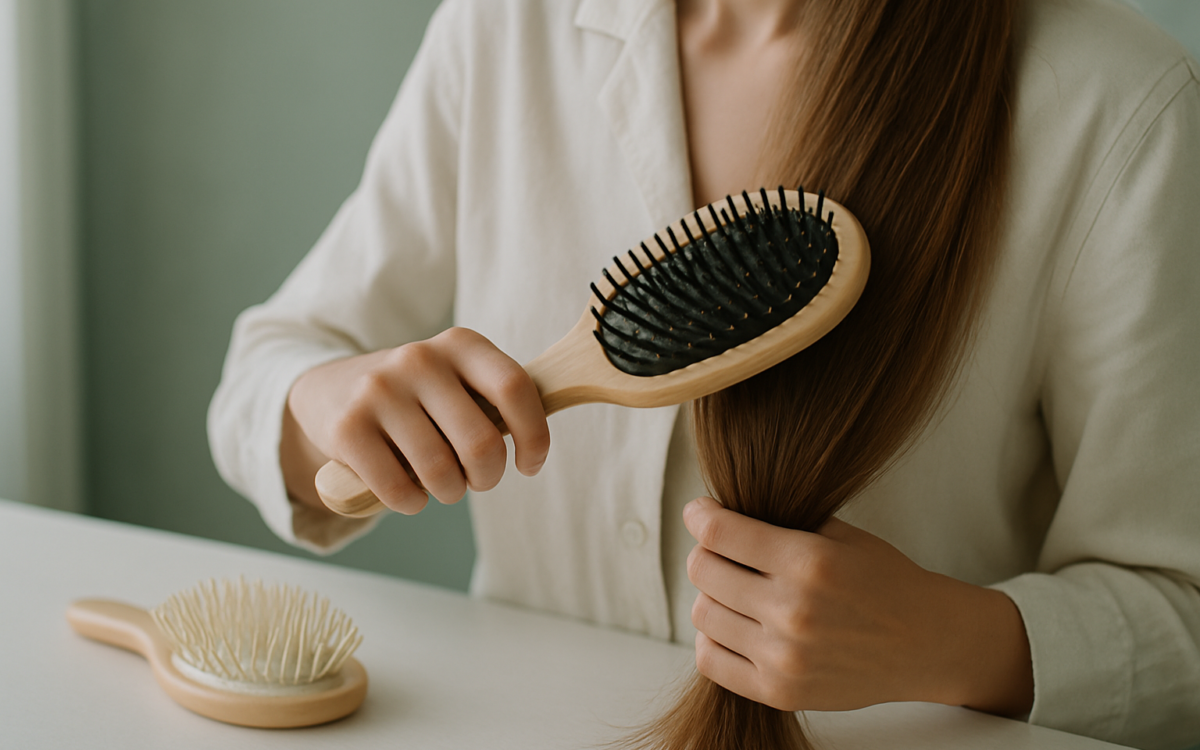
When it comes to hair care, the tools we use can be just as important as the products we apply. Among these tools, hair brushes play a crucial role in maintaining healthy locks. But with so many different types available, it can be challenging to know which one is right for you and how to use it effectively. In this article, we’ll explore the various types of hair brushes, their unique functions, and how to care for them, empowering you to keep your hair looking its best.
The Basics of Hair Brushes
Hair brushes come in a range of styles and sizes, each designed for different hair types and purposes. Understanding these differences is the first step in selecting the right brush for your hair.
Types of Hair Brushes
Paddle Brushes
Paddle brushes are wide and flat, making them ideal for detangling long hair. They cover a larger area of hair with each stroke, which can help straighten and smooth strands. These brushes work well with straight or slightly wavy hair and are often used for blow-drying, as they can help create volume with minimal effort.
Round Brushes
Round brushes are perfect for creating curls and waves. They come in various sizes—larger brushes create loose, voluminous curls, while smaller brushes can be used for tighter curls. Round brushes allow for an easy wrap-around technique that lifts the hair at the roots, giving a bouncy look when used during blow-drying.
Vented Brushes
Vented brushes are built with wide spaces between the bristles, allowing air to pass through while blow-drying. This design helps reduce drying time and minimizes heat damage, making it a popular choice for those who frequently style their hair with heat tools. These brushes work well with most hair types, particularly if you are looking to add volume and speed up the drying process.
Denman Brushes
The Denman brush is a favorite among those with curly or textured hair. It has a unique design that defines curls without causing frizz. The closely spaced bristles help separate hair strands while maintaining the curl’s natural pattern. This brush is often used in conjunction with styling products to enhance the texture and shape of curls.
Boar Bristle Brushes
These brushes, made from the hair of wild boars, are excellent for distributing natural oils from the scalp to the ends of the hair. They are particularly beneficial for fine or dry hair as they can add shine and reduce breakage. However, boar bristle brushes work better on straighter hair types, as they may not effectively detangle coarser hair.
Using Hair Brushes Effectively
Knowing how to use your hair brush is just as important as choosing the right one. Here are some tips to help you make the most of your brushing routine:
- Start at the Ends: Always start brushing from the ends of your hair, gradually working your way up to minimize breakage and discomfort.
- Brush Wet or Dry?: Be gentle with wet hair, as it’s more prone to breakage. Consider using a wide-tooth comb for detangling wet hair before applying a brush.
- Remove Hair Regularly: Keep your brush clean by regularly removing hair strands and washing the brush every few weeks to maintain hygiene.
Caring for Your Hair Brushes
Proper maintenance of hair brushes is essential for them to last longer and stay effective. Different brushes require slightly different care methods:
- Clean Brushes Monthly: To clean your brush, remove any hair and wash it in warm, soapy water. Allow it to dry completely before using it again.
- Avoid Chemical Products: Minimizing the use of products that may build up on your brushes can help maintain their effectiveness.
- Store Properly: Keep brushes in a dry place and avoid stacking them on top of each other to prevent bristle damage.
When to See a Doctor
If you notice persistent hair loss or changes in your scalp that result in irritation, redness, or visible changes in hair texture, it may be time to consult a healthcare provider. Issues like scalp infections or nutritional deficiencies can play a role in hair health. For more information on hair loss, you can visit reputable sources like the National Institutes of Health.
Conclusion
Choosing the right hair brush can make a significant difference in the health and appearance of your hair. By understanding the various types available, how to use them effectively, and the importance of maintenance, you can support your hair’s health and achieve great styling results. Remember that everyone’s hair is unique, and experimenting with different brushes can help you find what works best for you.
