
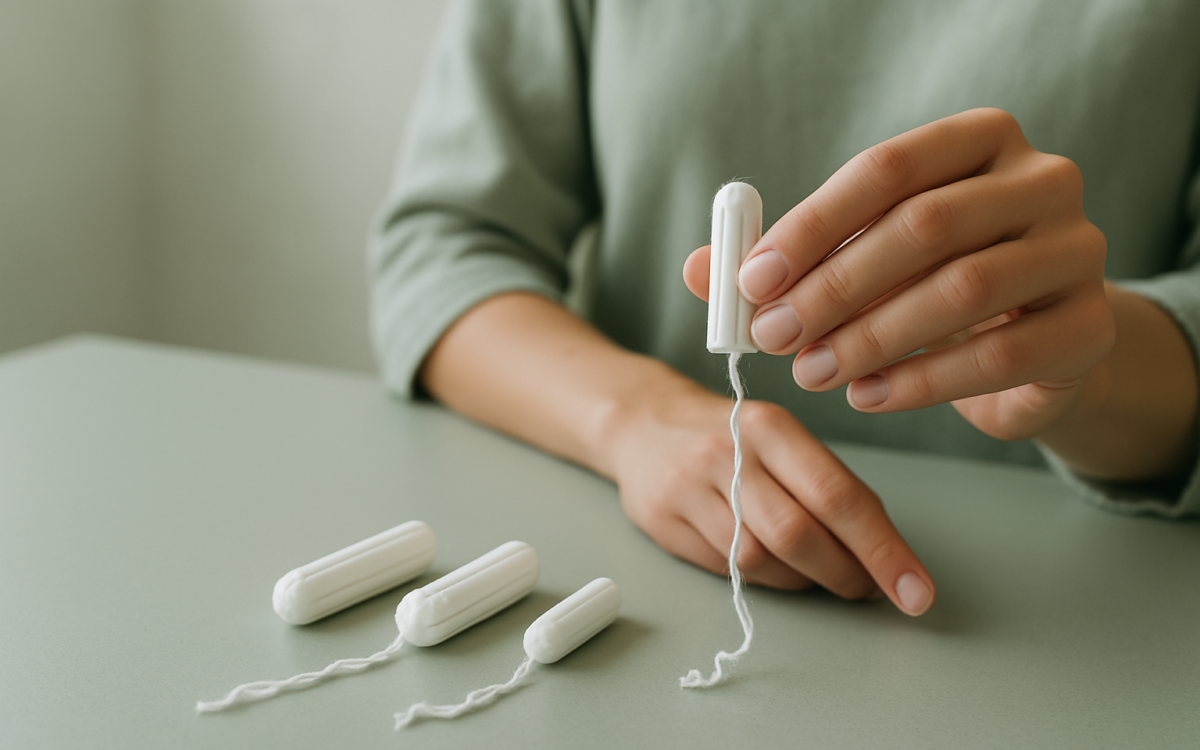
Choosing the right tampon size is essential for comfort, protection, and your overall menstrual health. With so many options available, it can be overwhelming to figure out what works best for you. But don’t worry! This guide will help demystify tampon sizes, enabling you to make an informed choice.
What are tampon sizes?
Tampons come in various sizes, primarily defined by their absorbency levels. Understanding these sizes is crucial for selecting one that meets your specific needs during your menstrual cycle.
- Light: Suitable for light flow days or for those new to using tampons.
- Regular: Ideal for average flow, commonly used throughout the menstrual cycle.
- Super: Designed for heavier flow days, providing extra absorbency.
- Super Plus: Offers even more absorbency for very heavy flow, often used during the heaviest days of your period.
- Ultra: The highest absorbency available, typically for those who experience extremely heavy flow.
How to choose the right size
Choosing the appropriate tampon size ultimately depends on your flow. It’s normal for your menstrual flow to vary from day to day, so be sure to adjust your tampon size accordingly:
- On lighter days, opt for light or regular tampons.
- Use super or super plus during heavier flow days.
- Consider the type of activity you’ll be doing. For example, if you’re swimming, you may want to use a tampon that can handle leaks securely.
When you change your tampon, you should not feel discomfort. If you do, it may be a sign that the tampon is too absorbent or that it is being inserted incorrectly.
Understanding absorbency levels
The Canadian and U.S. regulations classify tampons based on their absorbency, which is measured in grams of fluid. According to experts, the chart below provides a general idea of tampon absorbency:
- Light: Less than 6 grams
- Regular: 6 to 9 grams
- Super: 9 to 12 grams
- Super Plus: 12 to 15 grams
- Ultra: Over 15 grams
You can usually find this absorbency information on the packaging of tampons. The absorbency chart helps you determine what size to use depending on your flow, making it easier to choose the right product.
Cultural and international perspectives on tampon use
When discussing tampon sizes, it is essential to recognize that attitudes toward menstruation and tampon use can differ greatly across cultures and nations. In many places, menstrual health products are not readily available, and stigma can prevent individuals from using them.
In some countries, the only choices may involve cloth pads or other less convenient options. However, organizations like international patient services work to expand access to menstrual health solutions globally, helping to break the stigma and improve access to products like tampons.
Common questions and misconceptions
Misunderstandings about tampon sizes abound, leading women to choose the wrong products:
1. Do I need to use super or super plus all the time?
No! Using a larger size than what your flow requires can increase the risk of Toxic Shock Syndrome (TSS), a rare but serious condition. Always opt for the lowest absorbency necessary.
2. Can I use tampons while exercising?
Yes! Many athletes use tampons while exercising for comfort and to prevent leaks. Just ensure you choose the right absorbency for your flow.
3. What about organic or biodegradable options?
Many brands now offer organic or eco-friendly tampons that are free of harmful chemicals and synthetics. These products are gaining popularity among individuals looking for safer alternatives.
When to see a doctor
If you experience any unusual pain, symptoms, or odor, it is essential to consult your doctor. Additionally, if you feel that tampons are causing you discomfort or if there are significant changes in your menstrual flow, your healthcare provider can offer personalized advice and support.
Conclusion
Choosing the right tampon size contributes to a more comfortable and safe menstrual experience. By understanding the various absorbency levels and what works best for your body, you can feel confident in your choices. Remember, it’s always a good idea to consult with your doctor if you have questions about your menstrual health.
