
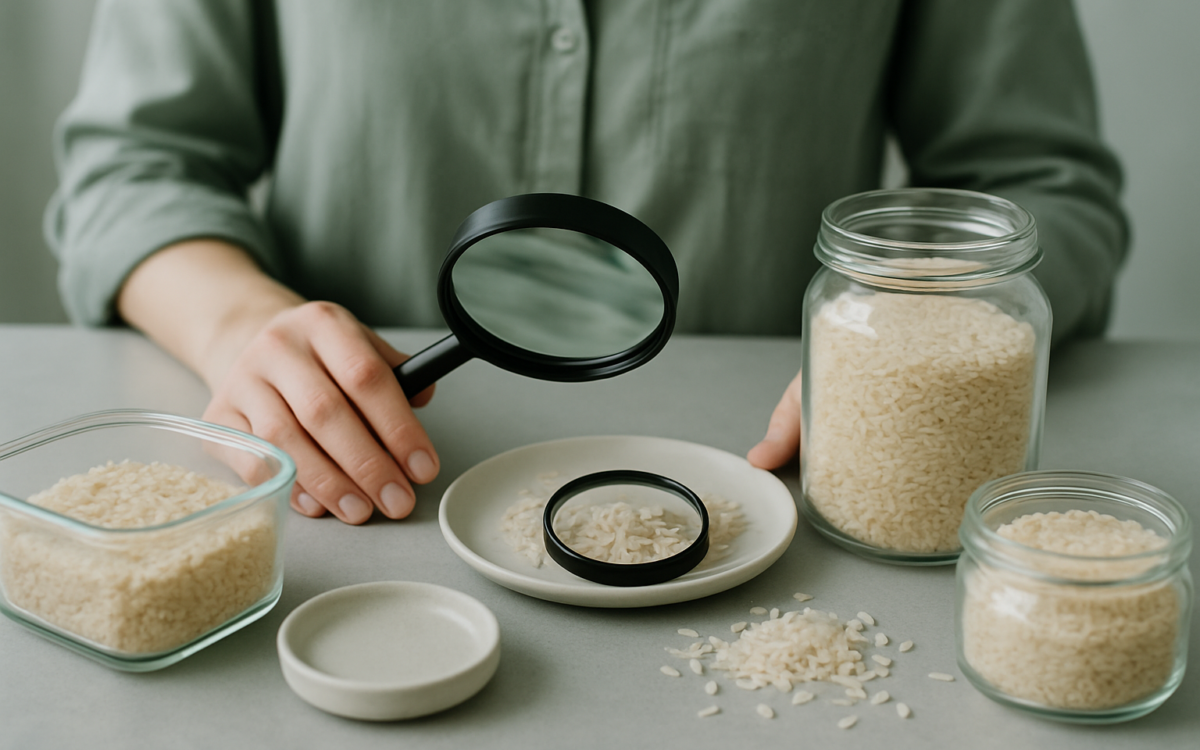
Rice is a staple in many households around the world, prized for its versatility, affordability, and ease of cooking. But have you ever wondered if rice can expire? Understanding the shelf life of rice is essential for both food safety and maximizing your grocery budget. In this article, we’ll take a closer look at how rice is stored, when it can go bad, and what you can do to ensure it stays fresh.
What is the shelf life of different types of rice?
The shelf life of rice varies significantly based on its type and storage conditions. Here are some general guidelines:
- White rice: When stored properly in an airtight container, white rice can last indefinitely. However, it is best used within 4-5 years for optimal quality.
- Brown rice: Brown rice, unlike white rice, contains the bran and germ, which can spoil more quickly due to the healthy oils they contain. It typically lasts about 6 months to a year.
- Wild rice: Wild rice can last about 4-5 years, similar to white rice, when stored correctly.
- Cooked rice: Cooked rice has a much shorter shelf life. It can safely be stored in the fridge for about 4-6 days, or frozen for up to 6 months.
How to store rice properly
Storing rice correctly can significantly extend its shelf life. Here are some tips:
- Use airtight containers: Store rice in airtight containers to protect it from moisture and pests.
- Add oxygen absorbers: For long-term storage, consider adding oxygen absorbers to prevent oxidation.
- Keep it cool and dry: Store your rice in a cool, dry place away from direct sunlight, which helps maintain its quality.
- Label and date your containers: Keeping track of when you purchased rice can help you manage its usage efficiently.
Signs that rice has gone bad
Even with careful storage, rice can sometimes spoil. Here are signs to look for:
- Off smell: If rice smells rancid or sour, it’s best to discard it.
- Discoloration: Changes in color can indicate spoilage, especially with brown rice.
- Insect infestations: If you see bugs or larvae in your rice, it’s a clear sign it has been compromised.
- Mold: Any signs of mold or unusual growth means the rice should not be consumed.
Can expired rice make you sick?
Eating expired rice is not usually dangerous, particularly if it has been stored properly. However, if rice goes bad due to moisture and bacteria develop, it can cause food poisoning. Symptoms may include nausea, vomiting, and diarrhea. According to the CDC, always check for unusual signs before consuming anything that appears expired.
International perspective on rice storage and safety
Rice is a cornerstone in various cuisines around the globe, not only in homes but also in restaurants and food markets. Understanding rice safety is vital across different cultures. For instance, in places where rice is a staple, like Asia, bulk storage is common. Methods such as vacuum packing and using professional storage conditions are often implemented to ensure fresh rice over long periods. You’ll find resources like Acibadem International, which offers insights on food safety practices worldwide, ensuring consumers are educated about how best to store and handle rice.
When to see a doctor
If you experience severe symptoms after consuming rice that you suspect is spoiled, it’s wise to consult a healthcare professional. Especially in cases of suspected food poisoning, timely medical advice can help ensure proper recovery.
In conclusion, while rice can be a long-lasting pantry staple, understanding its shelf life and proper storage conditions is key to maximizing its freshness. By following the guidelines mentioned, you can enjoy delicious rice dishes without risk and avoid waste in the process.
