
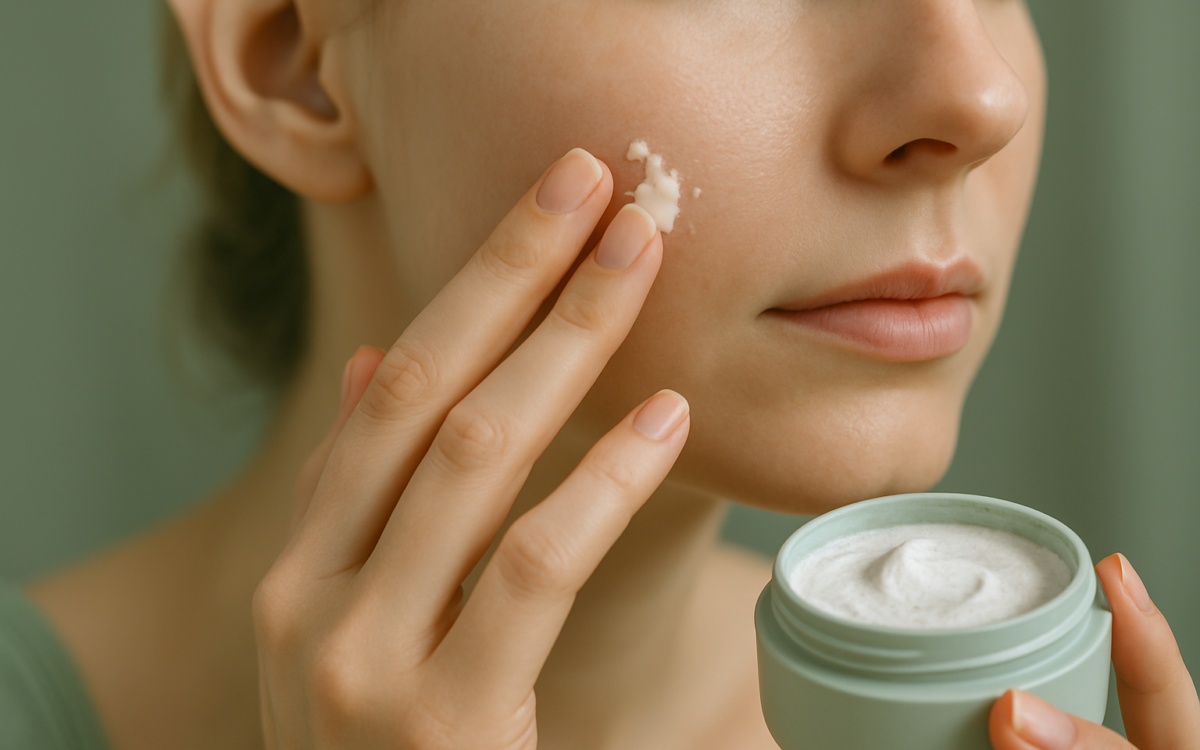
Milia are small, white bumps that typically appear on the face, especially around the eyes and cheeks. They occur when keratin, a protein found in skin, becomes trapped beneath the surface. While milia are harmless and often fade on their own, many people seek ways to speed up the process. Gentle exfoliation can be an effective method in managing these pesky bumps without causing irritation. Here, we explore what milia are, how to treat them gently, and the best practices in skincare to avoid further irritation.
Understanding Milia
Milia are not the same as acne or pimples; instead, they’re closed pockets of keratin that can form when skin cells don’t shed properly. According to the National Institutes of Health, milia can occur in all ages but are particularly common in newborns, due to the immaturity of their skin. In adults, milia can arise from various factors, such as skin damage, sun exposure, and the use of heavy skincare products. While they are not harmful, their appearance can be bothersome.
Benefits of Gentle Exfoliation
Exfoliation is the process of removing dead skin cells from the surface of the skin, allowing for better absorption of skincare products and promoting a smoother complexion. For milia, gentle exfoliation helps in several ways:
- Promotes Skin Renewal: Regular exfoliation encourages cell turnover, which can help prevent keratin buildup.
- Improves Texture: Exfoliating regularly can lead to softer and more even skin texture.
- Reduces Bumps: Gentle exfoliation can help smooth out the surface of the skin, making milia less visible over time.
Types of Gentle Exfoliators
When it comes to choosing an exfoliator for milia, it’s crucial to avoid harsh scrubs that can irritate the skin. Here are some gentle options:
1. Chemical Exfoliants
These products use alpha hydroxy acids (AHAs) or beta hydroxy acids (BHAs) to dissolve dead skin cells. Examples include:
- Glycolic Acid: An AHA derived from sugarcane, effective for surface exfoliation.
- Salicylic Acid: A BHA that penetrates pores and is excellent for oily or acne-prone skin.
When choosing a chemical exfoliant, start with a low concentration to see how your skin reacts.
2. Enzyme Exfoliants
Enzyme exfoliants are derived from fruits, like papaya or pineapple. They gently dissolve dead skin cells without physical scrubbing. They are often less irritating, making them suitable for sensitive skin.
3. Gentle Physical Scrubs
While we recommend avoiding abrasive scrubs, some formulations use fine sugar, oatmeal, or finely ground nut shells. Use these sparingly and always follow with a moisturizer.
How to Incorporate Exfoliation into Your Routine
To get the most out of your exfoliation efforts while managing milia, consider these tips:
- Frequency: Exfoliate 1-3 times a week, based on your skin’s tolerance and the product used.
- Follow with Moisturizer: Always apply a hydrating moisturizer after exfoliating to soothe and protect your skin.
- Sunscreen is Key: Using exfoliating products can make your skin more sensitive to sunlight, so apply a broad-spectrum sunscreen daily.
Skin Care Ingredients to Look For
In addition to the exfoliants mentioned, other ingredients can support healthy skin and help manage milia:
- Retinoids: Vitamin A derivatives that encourage cell turnover and prevent clogged pores.
- Hyaluronic Acid: A hydrating ingredient that helps maintain moisture and skin plumpness.
- Niacinamide: This form of vitamin B3 can improve skin texture and reduce the appearance of pores.
What to Avoid When Treating Milia
While it’s important to take action against milia, there are some practices you should avoid:
- Harsh Scrubs: Gritty scrubs can cause inflammation and worsen skin texture.
- Over-Exfoliation: Too much exfoliation can damage the skin barrier, leading to increased milia and sensitivity.
- Heavy Creams: Avoid thick creams that can clog pores and exacerbate milia formation.
When to See a Doctor
If milia persist or become a source of discomfort, it’s best to consult a dermatologist. They can offer more advanced treatments and confirm that what you are experiencing is indeed milia and not a skin condition that requires different care. Treatment options may include professional extraction or chemical treatments, which can help get rid of milia safely.
For more information on skin health, you can visit reputable sources like the Mayo Clinic or the World Health Organization.
In conclusion, while milia can be an unwelcome skin concern, gentle exfoliation can help manage and reduce their appearance. The key is to choose products that are kind to your skin and to practice a regular routine that promotes skin renewal, all while being careful not to irritate your delicate facial skin.
