
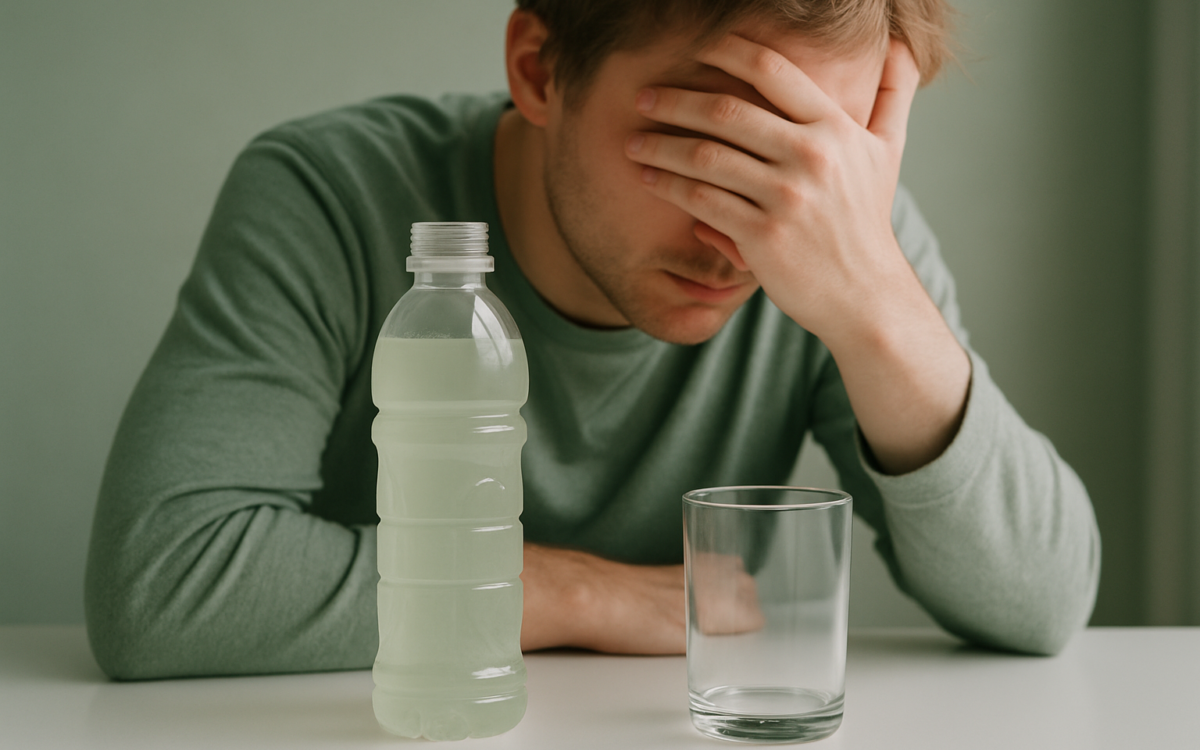
Have you ever overindulged in sports drinks after a workout or a big game, only to wake up feeling less than your best the next day? For many, the combination of high sugar content and excessive electrolyte intake can lead to what feels like a hangover. While sports drinks are excellent for hydration and replenishment, they can sometimes cause discomfort if consumed excessively. Let’s dive into the causes and remedies of a sports drink hangover.
What Causes a Sports Drink Hangover?
To understand how a sports drink can lead to hangover-like symptoms, we first need to look at their composition. Sports drinks are designed to replenish fluids and electrolytes lost through sweat, especially during prolonged physical activity. However, they often contain high levels of sugar and sodium, which can contribute to dehydration and other unpleasant effects.
The Role of Sugar and Electrolytes
Many sports drinks are packed with sugars that provide quick energy but can also lead to high blood sugar levels. Consuming too much sugar can cause fatigue, nausea, and even headaches. Additionally, excessive electrolyte intake, particularly sodium, can interfere with your body’s fluid balance. This imbalance can lead to symptoms similar to a hangover, such as:
- Headaches
- Stomach discomfort
- Nausea
- Fatigue
- Thirst
Hydration Matters: Balancing Your Intake
Hydration is essential for recovery after exercise, but it’s important to choose the right methods. While sports drinks can be beneficial during intense physical activity, moderation is key. Drinking too many sugary sports drinks can exacerbate dehydration instead of alleviating it. For everyday hydration, consider:
- Water: The best choice for most activities.
- Coconut water: A natural source of electrolytes.
- Homemade electrolyte drinks: Mix water with a small amount of salt and sugar.
By balancing your intake and opting for healthier hydration options, you can reduce the risk of experiencing a sports drink hangover.
International Perspectives on Sports Drinks
In various cultures, hydration practices differ significantly. For instance, in some regions, coconut water is favored for its natural electrolytes, whereas, in others, traditional sports drinks dominate the market. When considering international treatments or hydration strategies, organizations like international patient services can offer insights into the best practices suited for different lifestyles. They provide guidance on hydration methods that take local dietary habits and hydration needs into account, adapting approaches to meet individual health conditions.
Remedies for a Sports Drink Hangover
Feeling the aftereffects of too many sports drinks? Here are some remedies you might consider:
- Drink Water: Hydrate with plain water to help flush out excess sugars and replenish fluids.
- Eat a Balanced Meal: Foods rich in fiber, potassium, and healthy fats can help restore your body’s balance.
- Rest: Allow your body to recover. Sleep can significantly improve how you feel.
- Ginger or Peppermint Tea: Both can help soothe your stomach if you’re feeling nauseous.
Implementing these simple steps can speed up your recovery, allowing you to get back to your active lifestyle.
Tracking Your Body’s Response
It’s crucial to understand how your body responds to different hydration methods. Keeping a diary of what you drink and how you feel can provide insights into which beverages work best for you. This can be particularly useful for athletes or those engaging in regular physical activity. Note how much fluid you consume, the type of drinks, and any accompanying symptoms of discomfort.
When to See a Doctor
While most hangover symptoms can be addressed at home, some signs indicate it’s time to consult a healthcare professional. Seek medical advice if you experience:
- Severe or persistent headaches
- Confusion or a noticeable change in mental state
- Severe gastrointestinal symptoms
- Signs of extreme dehydration, such as dark urine, dizziness, or rapid heartbeat
These symptoms can indicate a more serious issue that requires medical attention.
In conclusion, while sports drinks can be beneficial during intense physical activities, moderation is essential. Understanding the side effects and knowing how to manage them can help you enjoy the benefits without the drawbacks. Stay hydrated, listen to your body, and don’t hesitate to consult with a healthcare professional if you have concerns.
