
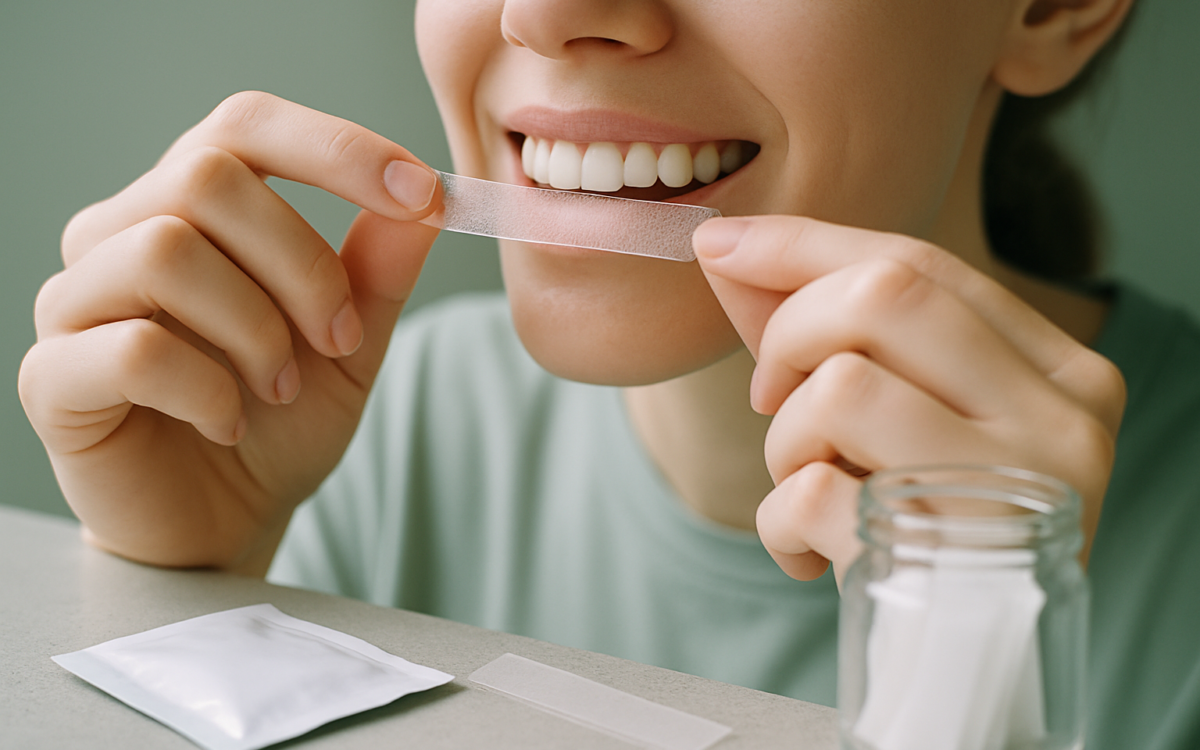
Many people aspire to achieve a bright, white smile. With numerous options available, including professional treatments and over-the-counter products, it can be challenging to determine what works best. One popular choice is whitening strips. But do whitening strips work? In this article, we’ll explore how they function, their effectiveness, and other considerations to keep in mind.
Understanding whitening strips
Whitening strips are thin, flexible plastic strips coated with a gel containing hydrogen peroxide or carbamide peroxide. These ingredients are the primary agents responsible for bleaching and removing stains from your teeth. They are typically easy to use and can be applied at home, making them a convenient option for many people.
How do whitening strips work?
The science behind whitening strips lies in their active ingredients. When you apply the strips to your teeth, the peroxide compounds penetrate the enamel and dentin layers, where they break down stains and discoloration. Over time, regular use can lead to a noticeably whiter smile.
Types of stains
Whitening strips tend to be most effective on surface stains caused by drinks like coffee, tea, red wine, and food. However, they may have limited effects on deeper stains, such as those caused by certain medications or fluorosis.
Effectiveness of whitening strips
Many studies have explored the effectiveness of whitening strips. Research published by the National Institutes of Health shows that over-the-counter whitening products can improve tooth brightness by several shades after a few weeks of regular use. Results can vary based on factors like the concentration of the whitening agent, duration of use, and individual tooth responsiveness.
Are there any risks or side effects?
While whitening strips are generally safe for most people, some individuals may experience side effects. Common complaints include:
- Tooth sensitivity: Some users may notice increased sensitivity, especially during the first few days of use.
- Irritation of gums: Prolonged contact with the strips may cause irritation or discomfort in the gums.
- Uneven whitening: If the strips aren’t applied evenly, it can lead to patchy whitening.
To minimize these risks, ensure you follow instructions carefully and consult your dentist if you’re unsure about using them.
Enhancing results
For optimal results, consider the following tips:
- Choose the right product: Look for strips with a reputable brand that lists its active ingredients clearly.
- Be consistent: Follow the manufacturer’s recommendations regarding duration and frequency of use.
- Maintain oral hygiene: Brush and floss regularly to keep teeth healthy and remove any plaque buildup that may interfere with whitening.
- Avoid staining foods and drinks: Reducing consumption of coffee, tea, and colorful foods during the whitening process can help maintain results.
Who should avoid whitening strips?
While whitening strips are suitable for many people, some individuals should be cautious or avoid them altogether. Consider consulting a healthcare professional if you:
- Have sensitive teeth or gums
- Are under 18 years old
- Have dental restorations (like crowns or veneers) that may not respond to whitening
- Have certain medical conditions that affect your teeth and gums
When to see a doctor
If you experience persistent sensitivity, gum irritation, or any other unexpected side effects lasting more than a few days, it’s best to consult with your dentist. They can assess your oral health and provide tailored advice.
Conclusion
Whitening strips can be an effective at-home solution for those looking to brighten their smiles. With the right product and a solid understanding of how they work, many users can achieve noticeable results. However, it’s essential to use them responsibly and be aware of potential side effects. If you have concerns or specific dental conditions, consulting with a healthcare professional is always a wise choice.
