
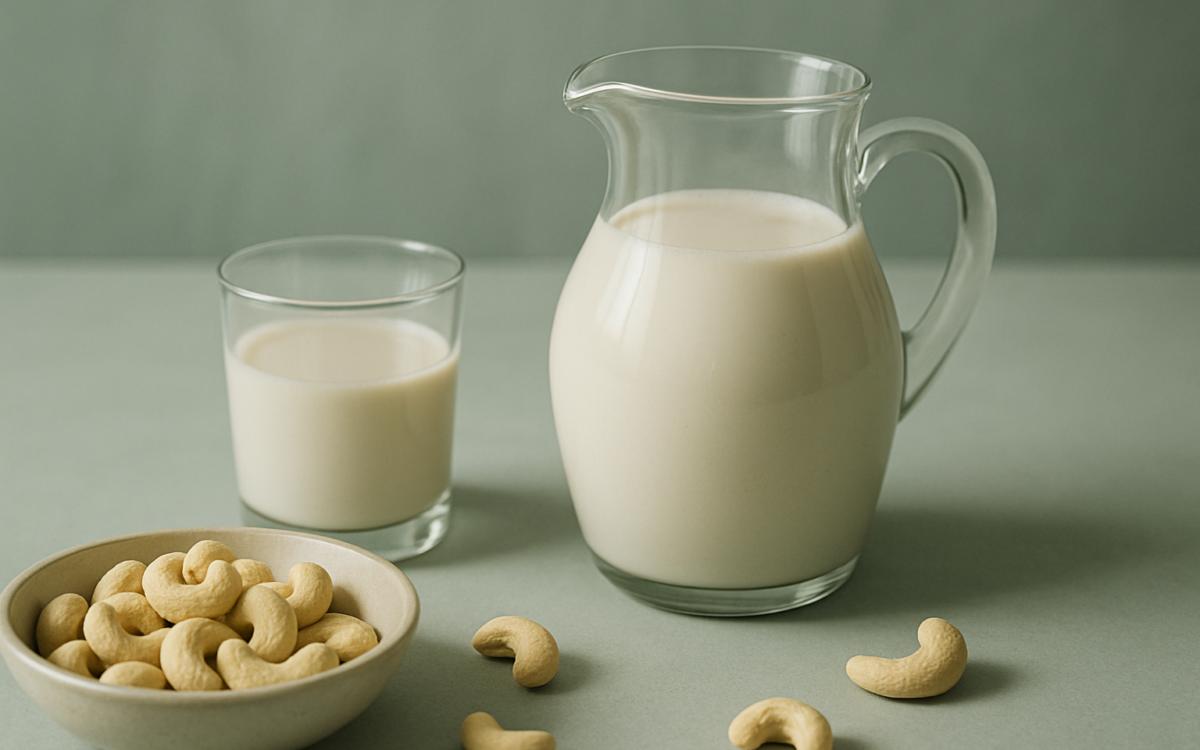
If you’re exploring plant-based alternatives to dairy, kaju milk, made from cashews, presents a delicious and nutritious option. This creamy beverage not only pleases the palate but is packed with health benefits. In this article, we will delve into what kaju milk is, its nutritional components, potential health advantages, and how to include it in your diet.
What Is Kaju Milk?
Kaju milk is a plant-based milk made by blending soaked cashew nuts with water. This process creates a smooth, creamy liquid that can be used similarly to dairy milk in recipes and beverages. Its rich flavor and texture make it a popular choice among those looking for nutritious alternatives to traditional cow’s milk.
Nutritional Profile of Kaju Milk
Kaju milk contains an array of nutrients that contribute to its health benefits:
- Healthy Fats: Cashews are a source of monounsaturated fats, which are beneficial for heart health.
- Proteins: While lower in protein than cow’s milk, cashew milk still contains protein, making it a good option for muscle maintenance.
- Vitamins and Minerals: Kaju milk is rich in vitamins such as E, K, and several B vitamins, along with minerals like magnesium, phosphorus, and zinc.
For those who consume it, the nutritional content may vary based on how it’s prepared, especially if sweeteners or thickeners are added. Homemade kaju milk can be a healthier option, as it allows for complete control over ingredients.
Health Benefits of Kaju Milk
Here are some of the potential health benefits of including kaju milk in your diet:
1. Supports Heart Health
The monounsaturated fats and antioxidants found in cashews may help reduce bad cholesterol levels and promote heart health. Replacing saturated fats with healthier fats is a recommended strategy for maintaining cardiovascular wellness, according to NIH.
2. Aids in Weight Management
Kaju milk can be a filling beverage that supports weight management when consumed as part of a balanced diet. Its healthy fats may help control hunger and promote satiety, making it easier to manage your appetite.
3. Offers Dairy-Free Option
For those who are lactose intolerant or allergic to dairy, kaju milk is an excellent substitute. It provides a similar creamy texture without the lactose or casein found in cow’s milk. This makes it a widely accepted alternative in various recipes—from smoothies to sauces.
4. Rich in Antioxidants
Cashews contain antioxidants that may aid in reducing inflammation. By helping your body combat oxidative stress, these antioxidants can contribute to overall health and possibly lower the risk of chronic diseases, such as heart disease and diabetes.
How to Incorporate Kaju Milk into Your Diet
Integrating kaju milk into your daily meals is easy and enjoyable. Here are some ideas to get started:
- Smoothies: Blend kaju milk with fruits and vegetables for a creamy, nutritious smoothie.
- Cereal and Oatmeal: Use kaju milk to replace cow’s milk in your morning cereal or oatmeal for an added nutty taste.
- Sauces and Soups: Kaju milk can enhance the creaminess of sauces and soups, making them richer without dairy.
- Baking: Substitute kaju milk for milk in baking recipes to maintain moisture and add flavor.
When making your own kaju milk, simply soak cashews in water for a few hours or overnight, then blend with fresh water until smooth. Strain through a nut milk bag or cheesecloth for a silky texture.
Potential Drawbacks and Considerations
While kaju milk presents many benefits, it’s worth noting a few considerations:
- Caloric Content: Kaju milk can be higher in calories than some other plant-based milks, depending on the preparation. It’s essential to be mindful of portion sizes, especially if calorie intake is a concern.
- Allergies: If you have a nut allergy, you should avoid kaju milk, as it can trigger allergic reactions.
- Fortification: Unlike cow’s milk, which is often fortified with vitamins and minerals, commercial kaju milk may not contain added nutrients. Check labels or consider making your own for a fully natural option.
Always consider your individual health needs and dietary requirements when adding new foods to your meals.
When to See a Doctor
If you’re considering adding kaju milk or any new dietary alternative, it’s wise to consult with a healthcare provider. They can help determine if it aligns with your nutritional needs and overall health, especially if you have specific conditions like allergies or lactose intolerance.
As with any dietary choices, moderation and consultation are key to ensuring your health is a priority.
Conclusion
Kaju milk is a tasty and nutritious alternative to dairy milk, offering a range of health benefits and culinary uses. With its nutty flavor and creamy texture, it presents a versatile option for those looking to enrich their diets. Whether adding it to smoothies, baking, or simply enjoying it as a drink, kaju milk can be a delightful addition to your plant-based options.
