
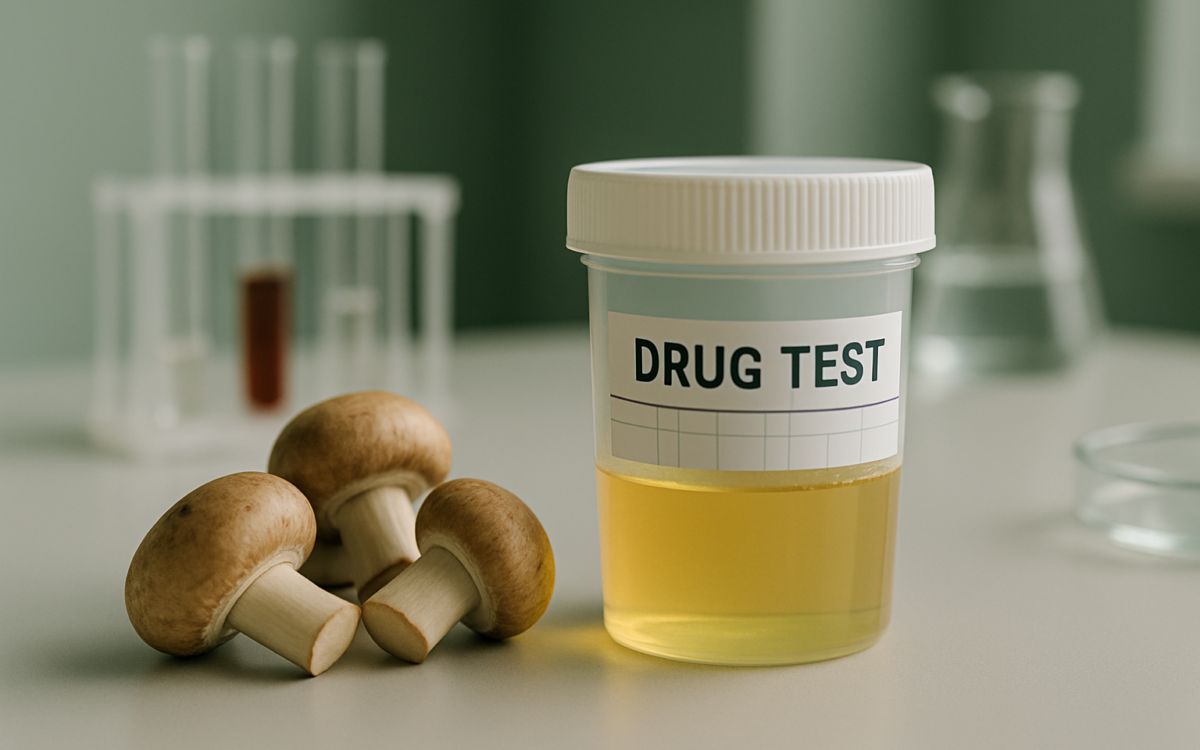
The world of drug testing can be complex, especially when it comes to the substances that may or may not show up on a test. One question that often arises is whether mushrooms can be detected in drug tests. While most people think of illegal drugs when they hear ‘drug test,’ the reality is that not all substances, including certain mushrooms, have the same testing protocols. In this article, we will explore the types of mushrooms, their effects, and their implications on drug testing.
Understanding Different Types of Mushrooms
Mushrooms can be broadly categorized into edible, medicinal, and psychedelic types. Each of these categories has its own unique properties and uses:
- Edible Mushrooms: These include common varieties such as button, shiitake, and portobello. They are typically safe to consume and are not associated with drug testing.
- Medicinal Mushrooms: Varieties like reishi, cordyceps, and lion’s mane have been studied for their health benefits. They also do not show up on drug tests.
- Psychedelic Mushrooms: These mushrooms, which contain psilocybin and psilocin, are known for their hallucinogenic properties and can be illegal in many regions. These are the mushrooms most likely to cause concern regarding drug testing.
How Drug Tests Work
Drug tests are designed to detect the presence of specific substances in a person’s system. The types of tests can vary:
- Urine Tests: This is the most common type of drug test. It can detect recent drug use and is primarily focused on substances like THC, opioids, and cocaine.
- Blood Tests: Less common but more precise, these tests can identify drugs in the bloodstream at the time of testing.
- Hair Tests: These tests can provide a longer-term view of drug use, as substances can be detected in hair follicles for months after consumption.
Standard drug tests do not typically screen for psilocybin, the psychoactive compound in psychedelic mushrooms. This means that casual users of these mushrooms may not have them detected in a standard test. However, specialized tests can be designed to detect psilocybin and psilocin.
Detection of Psilocybin in Drug Tests
While commonly used drug tests might not include psilocybin, this does not mean that they are undetectable. Testing for psilocybin is relatively rare, but it can be done. For those undergoing a specific drug test that includes psilocybin, it could potentially show up in:
- Urine Tests: Psilocybin can be detected in urine for up to 24 hours after consumption, though some tests may have a longer detection window.
- Blood Tests: Psilocybin can typically be detected for a few hours after intake, depending on various factors including the individual’s metabolism.
Consequently, if a drug test specifically includes psilocybin, it may provide a positive result for those who have consumed magic mushrooms in the recent past.
Factors Influencing Drug Test Results
Several factors can influence whether mushrooms show up on a drug test:
- Timing of Consumption: The time elapsed since consumption plays a critical role. Testing right after use increases the likelihood of detection.
- Type of Test: As previously mentioned, not all tests check for the same substances. Knowing the type of test can help gauge whether psilocybin will be detected.
- Individual Metabolism: Metabolism rates vary, affecting how long substances remain detectable in the body.
- Dosage: The quantity consumed can also influence detection, as higher amounts are likely to be present in the system for a longer period.
Legal and Employment Implications
The legality of psilocybin mushrooms varies significantly across different regions and countries. In most places, they remain classified as illegal substances, leading to potential ramifications for individuals who test positive:
- Employment Issues: Many employers conduct drug tests as part of their hiring or safety protocols. A positive test for psilocybin can impact job status or employment opportunities.
- Legal Consequences: In jurisdictions where psilocybin is illegal, possessing or using these mushrooms could lead to legal action.
As more research emerges and discussions surrounding the decriminalization of psilocybin progress, regulations may change, impacting drug testing practices and legality.
When to See a Doctor
If you have concerns about drug testing or the effects of mushrooms on your health, it is essential to consult a healthcare provider. They can provide guidance tailored to your circumstances. Also, never hesitate to seek help if you experience adverse effects from consuming mushrooms or if you feel unsure about their legal implications in your area.
Conclusion
In summary, most standard drug tests do not screen for psilocybin or mushrooms, but this does not guarantee that they are entirely undetectable. Understanding the factors that influence drug testing and the potential legal and employment implications can help you make informed decisions. Always stay updated on local laws and seek professional medical advice when needed.
