
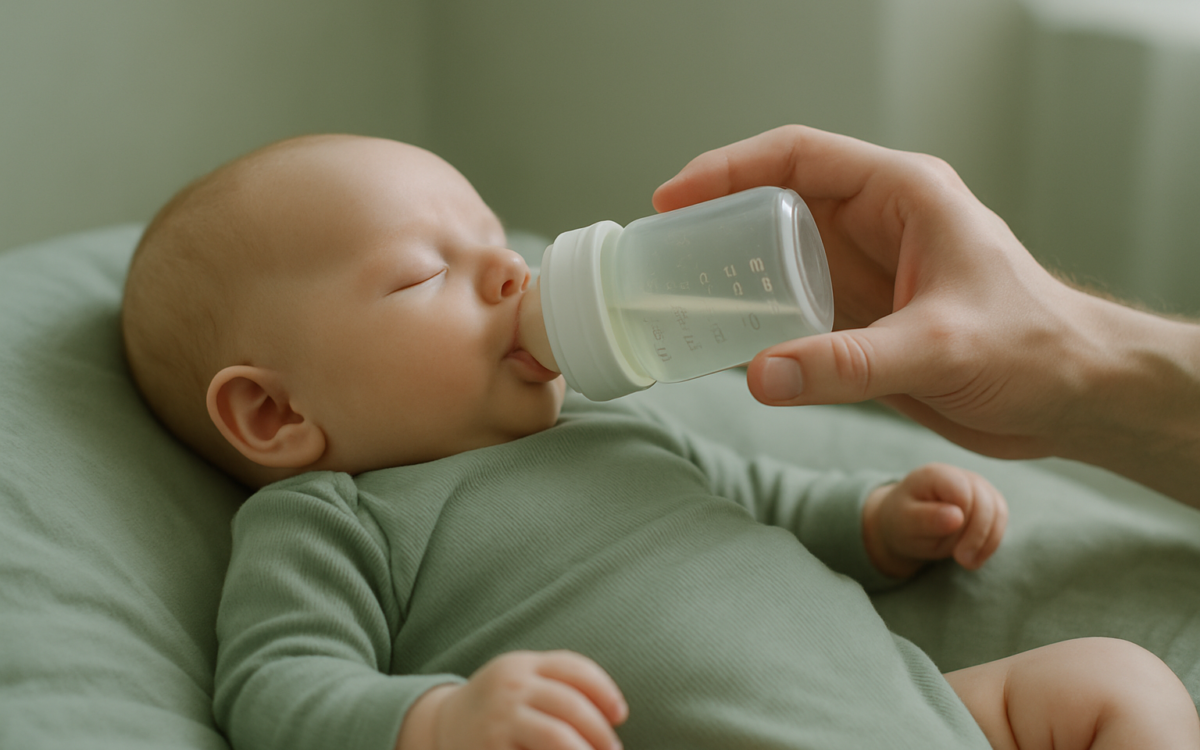
As a parent, there are few things more concerning than watching your baby struggle with dehydration. Whether your child is battling a stomach virus, has been sweating profusely during a heatwave, or is not drinking enough fluids for any reason, knowing how to effectively address their hydration needs is crucial. Pedialyte, a well-known rehydration solution, has become a popular choice for many caregivers. But is it right for your baby? Let’s delve deeper into what Pedialyte is, its benefits, usage, and safety considerations for younger children.
What is Pedialyte?
Pedialyte is an oral electrolyte solution designed to replenish fluids and electrolytes lost due to diaper rash, vomiting, diarrhea, or other fluid loss. It contains a balanced mix of sugar and salts that helps the body absorb water more effectively. The solution is promoted primarily for children, particularly infants and toddlers, as a way to prevent or treat dehydration.
When is Pedialyte beneficial for babies?
Pedialyte can be especially beneficial in several situations:
- Vomiting and Diarrhea: If your baby is experiencing frequent vomiting or diarrhea, they may be losing essential fluids and electrolytes. Pedialyte can help replenish these to prevent dehydration.
- Heat Exhaustion: Hot weather can lead to excessive sweating. If your baby is sweating a lot and not drinking enough, Pedialyte may help keep them hydrated.
- Illness: When babies are sick, they can lose their appetite and may refuse their usual milk or formula. In these cases, Pedialyte can be a good alternative to ensure they are getting necessary fluids.
How to use Pedialyte for babies
When using Pedialyte for your baby, it is essential to do so correctly. Consider the following tips:
- Start Slow: Begin with small sips—start with a teaspoon or two and see how your baby tolerates it. If they accept it well, gradually increase the amount.
- Monitor for Acceptance: Observe how your baby responds. If they refuse the solution or vomit it back up, consult your pediatrician.
- Timing: The American Academy of Pediatrics suggests giving Pedialyte within the first 24 hours of dehydration symptoms to effectively combat fluid loss.
Safety precautions to keep in mind
While Pedialyte is generally safe for babies, there are some precautions to consider:
- Consult your pediatrician: Before introducing any new solution to your baby, especially if they are very young or have underlying health concerns, always consult your pediatrician.
- Avoid excessive use: Prolonged reliance on Pedialyte can lead to an imbalance in your baby’s diet. It should not replace breast milk or formula for extended periods.
- Check for allergies: Always check the ingredients for any potential allergens, particularly if your baby has food sensitivities.
International perspectives on rehydration
Different countries may have varying approaches to dealing with dehydration in infants. In some regions, homemade oral rehydration solutions are taught, while in others, commercial solutions like Pedialyte are widely used. As health organizations worldwide seek to reduce infant mortality rates linked to dehydration, solutions like Pedialyte are often emphasized as part of effective treatment strategies. If you ever find yourself needing medical assistance while abroad, many international treatment facilities, such as those offered by international patient services, can provide guidance on managing your child’s health needs, including hydration strategies and solutions.
When to see a doctor
While Pedialyte can be a helpful solution for mild dehydration, certain situations require immediate medical attention. Consult your pediatrician if:
- Your baby shows signs of severe dehydration, such as a dry mouth, no tears when crying, fewer wet diapers, lethargy, or unusual irritability.
- Your baby is younger than 6 months and shows signs of dehydration.
- Symptoms persist for more than 24 hours despite using Pedialyte.
Conclusion
In summary, Pedialyte can be a useful tool for helping to rehydrate babies in situations of mild dehydration, particularly due to illness or heat. Keeping both its benefits and safety guidelines in mind allows parents to make informed choices about their child’s hydration needs. Remember, while Pedialyte can play a role in maintaining hydration, always consult with your pediatrician for personalized advice and support.
