
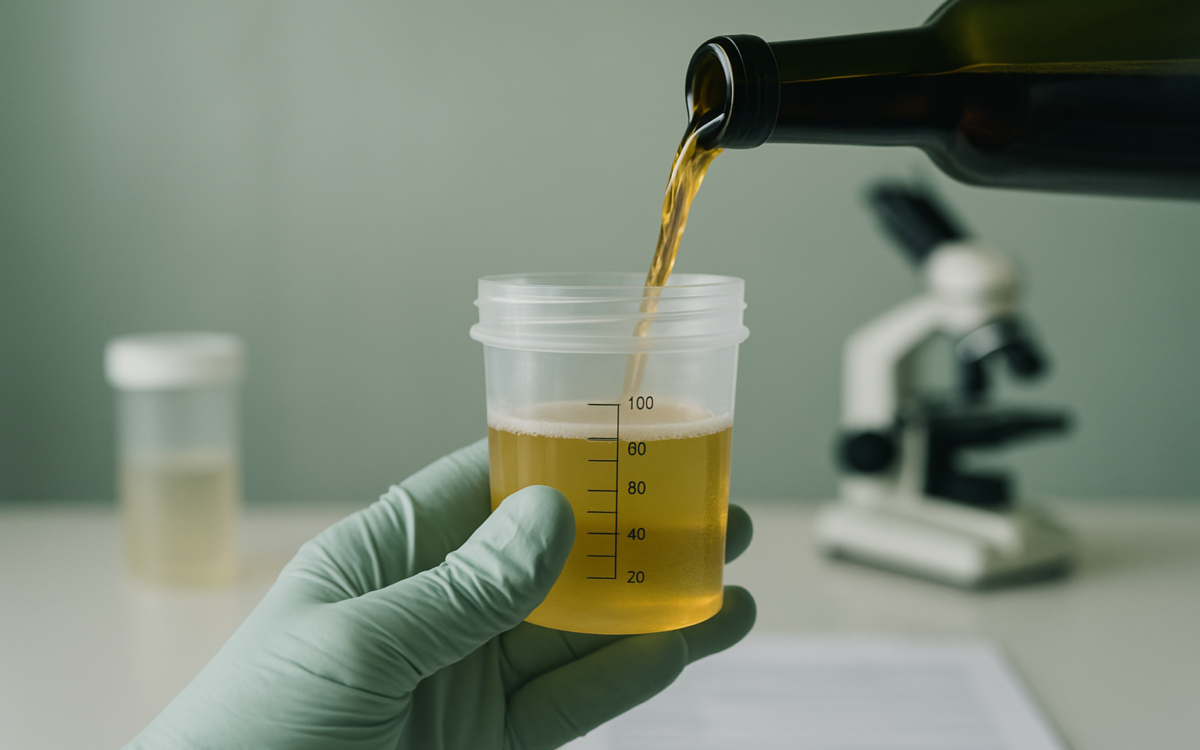
When you think of alcohol and drug testing, the first thing that might come to mind is a simple breathalyzer. However, urine tests can be just as revealing, capturing information about alcohol consumption over a specific timeframe. If you’re curious about how alcohol is detected in urine tests, what the results can mean, and what to consider about your health, you’re in the right place.
How Urine Tests Detect Alcohol
Urine tests are commonly used to detect the presence of drugs and alcohol in the body. Specifically for alcohol, these tests look for a substance called ethanol, which is the type of alcohol found in beverages. When you consume alcohol, it breaks down in your body and is eventually excreted in your urine.
Typically, ethanol can be detected in urine for up to 12 hours after consumption. However, this timeframe can vary based on several factors, including the amount of alcohol consumed, your metabolism, and other individual health variables. Various types of urine tests exist, with some more sensitive than others; for example, an immunoassay test can provide quick results, while gas chromatography allows for more detailed analysis.
What Determines Alcohol Metabolism?
Understanding how your body processes alcohol can help clarify why urine tests may yield different results for different people. Several factors affect alcohol metabolism:
- Age: As people age, their bodies may become less efficient at metabolizing alcohol.
- Gender: Women often have a higher blood alcohol concentration (BAC) than men after consuming the same amount of alcohol, largely due to differences in body composition and enzyme activity.
- Health Conditions: Liver health is crucial since the liver metabolizes alcohol. Conditions like hepatitis or fatty liver disease can slow this process.
- Medications: Certain medications can affect how quickly alcohol is processed in the body.
Interpreting Urine Test Results
When you receive the results from a urine test showing alcohol presence, it’s essential to understand what those results imply. A positive result indicates the presence of ethanol, which could arise from recent alcohol consumption. However, the interpretation also depends on the alcohol concentration level detected. Here’s a brief guide:
- Low Levels: It may suggest light drinking or consumption a while ago.
- High Levels: This typically indicates more recent or excessive drinking.
- Presence Over Time: If alcohol is detected beyond the typical detection window (like 24 hours), it might indicate chronic alcohol consumption.
Health Implications of Alcohol Detection
Understanding alcohol detection in urine tests is not just for passing a drug test; it can have broader health implications. If you frequently find alcohol in your urine tests, you may want to evaluate your drinking habits. Regularly consuming alcohol, especially in high amounts, can lead to numerous health issues, including:
- Liver Disease: Chronic alcohol use is one of the leading causes of liver disease, which can have severe health consequences.
- Dependence: Some individuals may develop a reliance on alcohol, which can affect both personal and professional aspects of life.
- Injury Risk: Alcohol can impair judgment and coordination, leading to an increased risk of injuries.
Seeking Help for Alcohol-Related Concerns
If you find yourself frequently consuming alcohol or struggling with alcohol-related issues, it’s important to seek help. There are numerous resources available, including support groups and treatment programs. Talking to a healthcare provider can provide you with options tailored to your needs. They can also help screen for potential health risks associated with alcohol consumption, such as liver function tests.
When to See a Doctor
If you are concerned about your alcohol consumption, it’s wise to consult a healthcare provider. Signs that you may want to seek help include:
- Increased frequency of alcohol use
- Experiencing withdrawal symptoms when not drinking
- Finding it difficult to cut back on alcohol
- Noticing negative impacts on your health or relationships
Conclusion
Understanding how alcohol is detected in urine tests and the implications of those results can empower you to make informed choices about your health. If you suspect that alcohol may be affecting your life negatively, consider reaching out to a medical professional for guidance. Remember, your health and well-being should always come first.
For more information on alcohol-related health concerns, you can find reputable resources like the National Institute on Alcohol Abuse and Alcoholism and the World Health Organization.
