
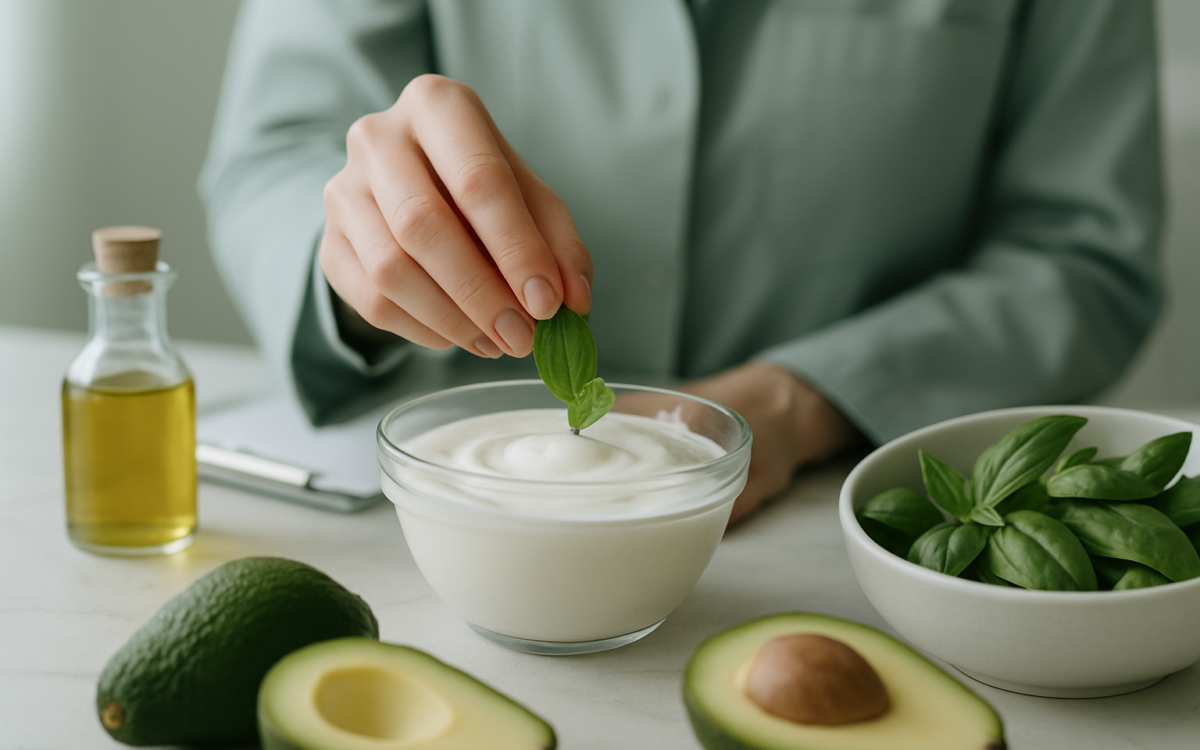
Natural flavors are everywhere in our food today, yet many people don’t understand what they are or how they’re made. When you bite into a tasty dish or sip your favorite beverage, you may notice flavors that are rich and appealing. Often, these flavors come from natural sources, even though they may undergo processing to enhance their taste. Let’s dive deeper into what natural flavors are, their benefits, and how they impact our health.
What Are Natural Flavors?
Natural flavors are ingredients derived from plant or animal sources that are used to enhance or provide flavor to food and beverages. The term ‘natural’ means these flavors come from ingredients found in nature, such as fruits, vegetables, spices, and herbs. According to the FDA, natural flavors must comply with strict regulations, ensuring they add taste to foods without synthetic chemicals.
How Are Natural Flavors Made?
The process of creating natural flavors typically involves extracting essential oils or compounds from natural sources. For example, the flavor from vanilla beans can be extracted using water or alcohol, resulting in a concentrated vanilla flavor. This process is generally safe, and when done correctly, these flavors can maintain the integrity and essence of the original ingredient.
Benefits of Using Natural Flavors
Natural flavors offer several benefits that can improve our eating experience:
- Enhanced Taste: Natural flavors can elevate the taste of both processed and fresh foods, making them more enjoyable.
- Less Sugar and Salt: Some natural flavors can provide sweetness or enhance flavors without the need for added sugars or salts.
- Dietary Flexibility: They allow food manufacturers to create a variety of products that cater to different dietary preferences without compromising on taste.
Natural Flavors vs. Artificial Flavors
It’s essential to distinguish between natural flavors and artificial flavors. While natural flavors come from real food sources, artificial flavors are chemically created to mimic natural tastes. Many believe that natural flavors are superior because they originate from nature, whereas artificial flavors may contain synthetic compounds that some consumers prefer to avoid. However, both types undergo rigorous testing and are considered safe for consumption by the Centers for Disease Control and Prevention (CDC).
Dos and Don’ts of Consuming Natural Flavors
While natural flavors can enhance your diet, it’s good to be mindful of how they fit into your overall eating habits. Here are some dos and don’ts:
- Do: Read Labels – Always check ingredient lists to understand what’s included in your food.
- Do: Choose Whole Foods – Whenever possible, prioritize whole foods like fruits and vegetables over processed options that may contain natural flavors.
- Don’t: Assume All Natural Flavors Are Healthier – Sometimes, just because a flavor is ‘natural’ doesn’t mean the product is low in fat, sugar, or calories.
Natural Flavors in Specific Diets and Allergies
For those with allergies or specific dietary restrictions, it’s prudent to be cautious with natural flavors. Some individuals may be allergic to certain fruits, herbs, or other natural sources from which these flavors are extracted. Therefore, if you have known allergies, consult product labels scrupulously.
When following a strict diet, such as vegan or gluten-free, ensure that the natural flavors included in your food comply with your dietary choices. While many natural flavors are plant-based, it’s always wise to double-check.
When to See a Doctor
If you experience any allergic reactions or gastrointestinal issues that you suspect may be related to natural flavors, consult a healthcare professional for guidance. They can help determine whether these ingredients are causing your symptoms.
Maintaining a balanced diet means understanding what goes into our food. Natural flavors can make our meals delightful without relying on artificial additives. With the right knowledge, you can make informed choices that suit your lifestyle and preferences.
