
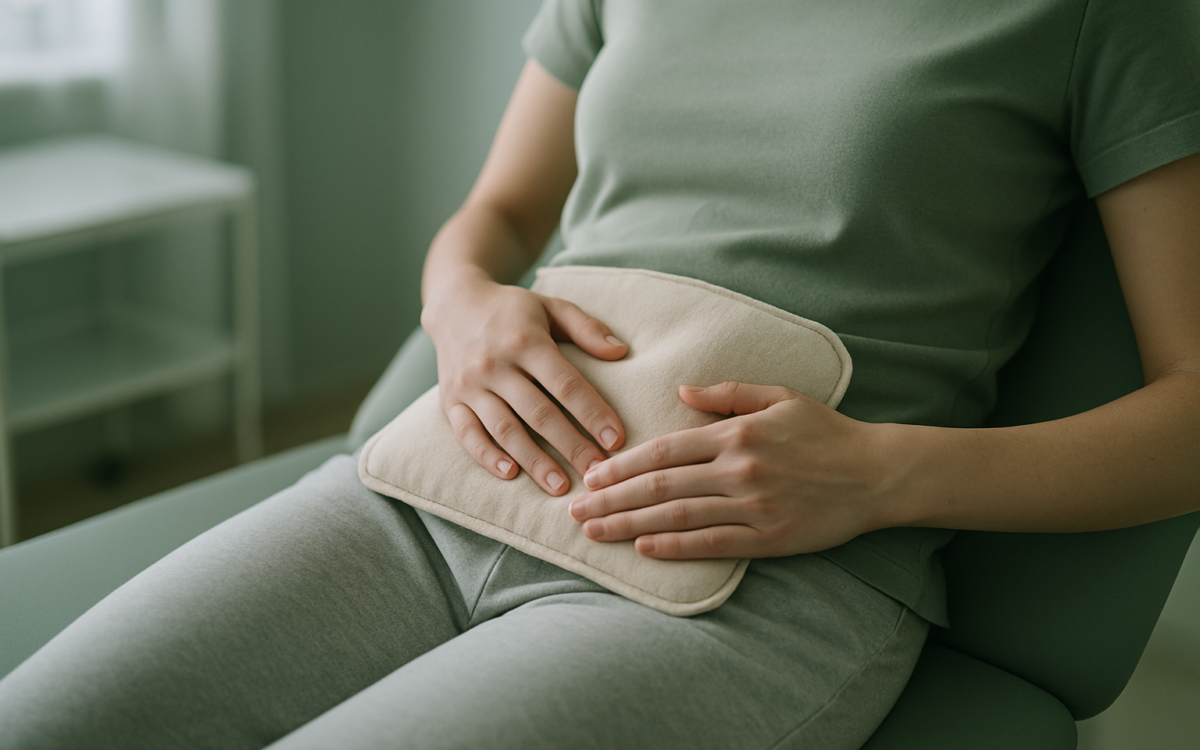
Cramps can be a real bother, whether they’re from menstrual cycles, exercise, or stress. Fortunately, there are many ways to alleviate this discomfort. One of the oldest and simplest methods is using a heat pack. This article explores the benefits of heat packs for cramps, how to use them, and when to consult a healthcare professional.
What are heat packs?
Heat packs, also known as heating pads, are items filled with materials that retain heat. They can be physical objects or electronic devices that emit warmth. The heat they provide can penetrate the skin and soothe sore muscles and other painful areas. Heat therapy has been used for centuries and remains a popular and effective method for relieving discomfort.
How heat packs relieve cramps
Heat therapy works wonders for cramps by increasing blood flow to the affected area. This can help relax tense muscles, reduce pain, and promote healing. According to the National Institutes of Health, applying heat can mitigate pain signals sent to the brain and help alleviate discomfort effectively.
Different types of heat packs
Heat packs come in various styles, each with unique features tailored to different needs:
- Microwaveable heat packs: These packs are filled with grains like rice or wheat. They are perfect for quick use and can usually be warmed in a microwave in just a couple of minutes.
- Electric heating pads: Electric pads offer adjustable heat settings, providing continuous warmth without the need for re-heating. They often come with safety features such as automatic shut-off.
- Chemical heat packs: These disposable packs produce heat through a chemical reaction. They are a great option for on-the-go relief and can be activated by simple bending or squeezing.
How to use a heat pack safely
Using heat packs is generally straightforward, but safety is important. Follow these tips to ensure proper usage:
- Always check the temperature before applying a heat pack to your skin to avoid burns.
- Use a thin cloth or towel as a barrier between the heat pack and your skin, especially for prolonged use.
- Apply the heat pack for 15-20 minute intervals. Allow your skin to cool down before reapplying.
- Avoid using heat packs on swollen areas, or if you have certain medical conditions, such as diabetes, where heat may cause complications.
Combining heat therapy with other treatments
While heat packs are effective on their own, they can be even more beneficial when combined with other pain relief methods. Techniques such as gentle stretching, massage, or over-the-counter pain relievers can enhance comfort. Moreover, for those who are traveling or seeking treatment options abroad, organizations like international patient services can provide resources and support for individuals considering overseas medical care, ensuring access to diverse therapeutic practices.
When to see a doctor
If cramps persist or worsen despite the use of heat packs or other home treatments, consulting a healthcare professional is essential. Medical advice is crucial if you experience severe pain, heavy bleeding, or other unusual symptoms. Conditions like endometriosis, fibroids, or even gastrointestinal issues could be underlying factors requiring professional intervention. Always prioritize your health and seek guidance when something feels out of the ordinary.
Conclusion
Heat packs are a simple yet effective tool for relieving cramps. They offer numerous benefits, from easing muscle tension to promoting overall comfort. Remember to practice safety when using heat therapy, and don’t hesitate to seek medical advice if needed. With the right approach, you can tackle cramps head-on and improve your quality of life.
