
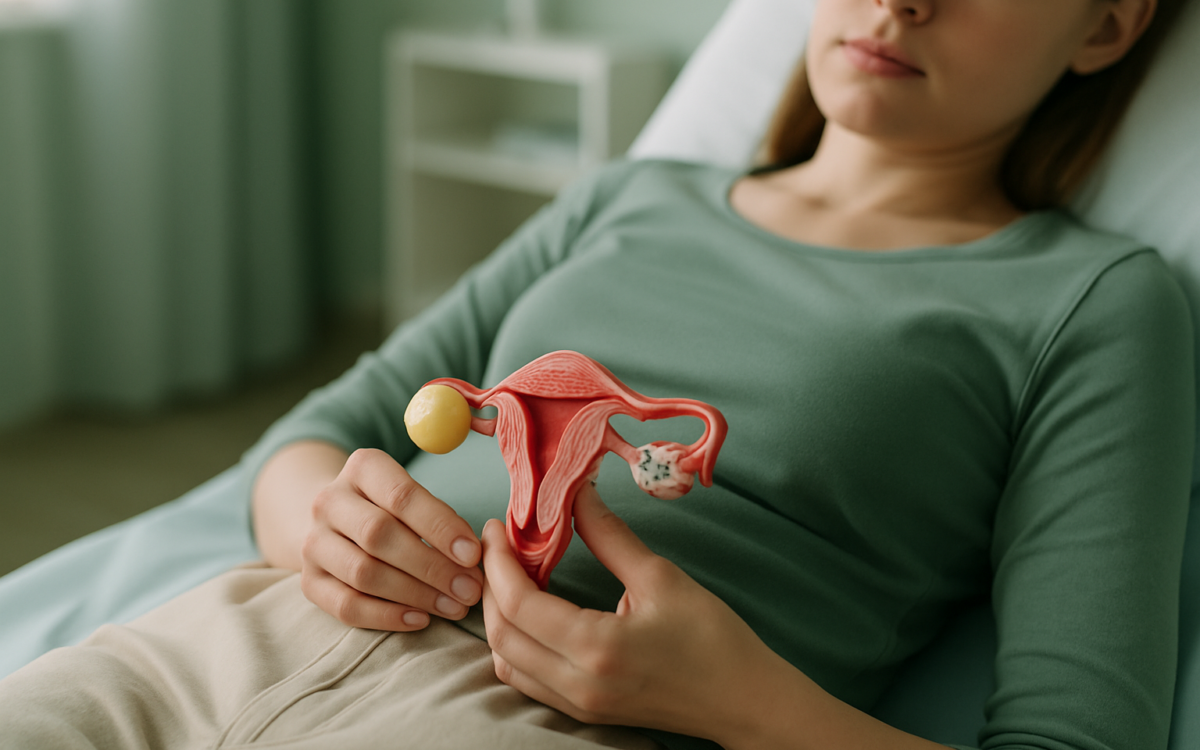
Many women experience a variety of changes in their bodies throughout their lives, and one common condition that can arise is the presence of quistes en los ovarios, or ovarian cysts. Though they are often worrisome, most ovarian cysts are benign and do not cause serious health issues. This article aims to shed light on what ovarian cysts are, their causes, symptoms, and when to seek medical attention.
What are ovarian cysts?
Ovarian cysts are fluid-filled sacs that develop on the ovaries. Ovaries are the reproductive organs that produce eggs and hormones like estrogen and progesterone. Cysts are usually small and may disappear on their own without any treatment. They can be categorized broadly into two types: functional and pathological.
Types of ovarian cysts
Understanding the different types of ovarian cysts can help clarify their origin and potential implications.
Functional cysts
Functional cysts are the most common type. They form as part of the menstrual cycle and usually resolve on their own. There are two main types:
- Follicular cysts: These develop when the follicle, which contains the egg, does not release the egg and continues to grow.
- Corpus luteum cysts: These form after the follicle releases the egg. If the follicle seals off and fills with fluid, it can become a cyst.
Pathological cysts
These types of cysts are less common and can be considered abnormal. They may include:
- Dermoid cysts: These cysts can contain various kinds of tissue, including hair and skin.
- Cystadenomas: These develop on the surface of the ovary and can be filled with fluid or mucous.
- Endometriomas: Associated with endometriosis, these cysts form when endometrial tissue grows on the ovaries.
Causes of ovarian cysts
The exact cause of ovarian cysts can vary. Functional cysts tend to arise due to hormonal imbalances during the menstrual cycle. Pathological cysts may develop for different reasons, including genetic factors and conditions like endometriosis. Other contributing factors may include:
- Hormonal imbalances
- Pregnancy
- Pelvic infections
- Severe pelvic inflammatory disease
Symptoms of ovarian cysts
Most ovarian cysts are asymptomatic, meaning they do not cause noticeable symptoms and often go undetected. However, some women may experience symptoms that can include:
- Menstrual irregularities, such as late or missed periods
- Pain during menstrual cycles or sexual intercourse
- Abdominal bloating or swelling
- Lower back or thigh pain
- Difficulty emptying the bladder or bowel
In rare cases, a cyst can rupture, leading to severe pain, internal bleeding, or the need for surgery. If you experience sudden and severe abdominal or pelvic pain, it’s important to seek medical attention immediately.
Diagnosis and treatment options
If you suspect you might have an ovarian cyst or are experiencing symptoms, your healthcare provider will likely perform a pelvic exam and may recommend imaging tests, such as:
- Ultrasound
- CT scan
- MRI
These tests can help determine the size, type, and characteristics of the cyst. In most cases, functional cysts require no treatment and will resolve on their own. However, your doctor may suggest:
- Periodic monitoring: Your doctor may schedule follow-up ultrasounds to observe the cyst over time.
- Medications: Hormonal birth control pills can help regulate your menstrual cycle and may prevent new cysts from forming.
- Surgery: If a cyst is large, persistent, or causes severe symptoms, surgical removal might be necessary.
Complications associated with ovarian cysts
Most ovarian cysts are harmless, but there are some potential complications to be aware of. These can include:
- Rupture: A ruptured cyst can cause significant pain and internal bleeding.
- Ovarian torsion: In some cases, a cyst may cause the ovary to twist, which can cut off its blood supply.
- Cancer: While rare, some complex cysts may be cancerous, making it essential to monitor any changes.
Discuss any changes in your symptoms with your healthcare provider, as they can determine the best course of action based on your individual circumstances.
When to see a doctor
It’s always wise to consult your healthcare provider if you have concerns about ovarian cysts, especially if you experience:
- Severe abdominal or pelvic pain
- Persistent pain during intercourse
- Unusual vaginal bleeding
- Symptoms of pregnancy (like nausea or vomiting)
Your doctor can provide a proper evaluation and recommend any necessary treatment options.
In conclusion, while the presence of quistes en los ovarios can seem daunting, most are benign and resolve on their own without treatment. Understanding more about ovarian cysts empowers women to take charge of their health and make informed decisions regarding their reproductive well-being. If you ever experience concerning symptoms, do not hesitate to reach out to your healthcare provider for advice and assistance.
