
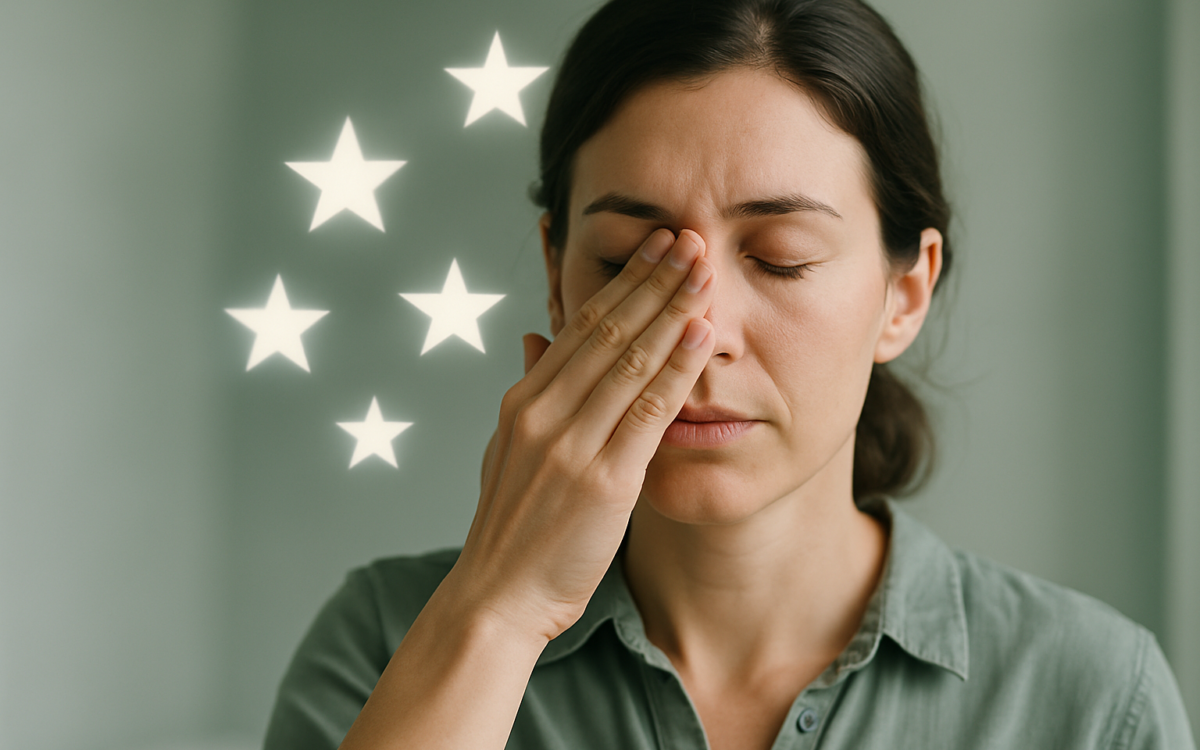
Have you ever experienced a dazzling display of lights in your vision, often described as “seeing stars”? This phenomenon can be surprising and even alarming. While seeing stars can be harmless, it can also be a sign of an underlying health issue. Understanding the causes of this visual disturbance can help you determine if it’s something to worry about.
What Does It Mean to See Stars?
Seeing stars typically refers to a visual experience where spots or flashes of light appear in your field of vision. It’s often compared to seeing the night sky filled with glittering stars. Although many people might associate this experience with headaches or migraines, it can occur in various situations.
Common Causes of Seeing Stars
Several factors can contribute to the sensation of seeing stars. Here are some of the most common:
- Pressure on the Eyes: Sometimes, rubbing your eyes vigorously can lead to temporary visual phenomena. This happens because the pressure stimulates the retina, creating a burst of light.
- Migraines: For those who suffer from migraines, seeing stars is often a precursor to a headache. These visual disturbances, known as aura, can include flashing lights, zigzag lines, or blind spots.
- Orthostatic Hypotension: If you stand up too quickly after sitting or lying down, you might experience a drop in blood pressure, leading to temporary dizziness and visual disturbances.
- Retinal Detachment: This is a more serious condition where the retina separates from the back of the eye, leading to flashes of light or a sudden increase in floaters. This requires immediate medical attention.
- Eye Conditions: Conditions such as vitreous detachment, where the gel-like substance inside the eye begins to pull away from the retina, can also cause seeing stars.
Seeing Stars During Physical Activity
Sometimes, physical exertion can lead to seeing stars. Activities such as weightlifting or intense cardio can temporarily alter your vision due to increased intraocular pressure or changes in blood flow. While this can be an ordinary response to vigorous activity, if it occurs frequently, it could signal a deeper issue.
Seeing Stars and Other Symptoms
If you see stars in conjunction with other symptoms, it may indicate a need for medical evaluation. Here are some alarming signs to watch for:
- Severe Headaches: If seeing stars occurs with a debilitating headache, especially if the headache is unusual for you, it’s essential to consult a healthcare provider.
- Vision Loss: If you experience sudden vision changes, like partial or complete vision loss, prompt medical attention is critical.
- Nausea and Vomiting: These symptoms alongside seeing stars may indicate a serious migraine or another underlying issue.
- Changes in Consciousness: If seeing stars occurs with dizziness, confusion, or loss of consciousness, this could be a medical emergency.
Alternative Treatments for Visual Disturbances
For those experiencing occasional episodes of seeing stars linked to migraines or anxiety, several alternative treatments could be beneficial. Stress management techniques, such as yoga or meditation, have shown efficacy in reducing the frequency of migraines. Additionally, some people find acupuncture or certain herbal supplements helpful in managing their symptoms.
If you’re considering options beyond your home country, there are facilities offering specialized treatment in Turkey that may provide innovative approaches to managing eye health and associated phenomena like seeing stars.
When to Seek Medical Attention
It’s vital to consult a healthcare professional if you frequently see stars, especially if you’re experiencing other symptoms. Consider scheduling a visit if you notice:
- Recurrence of visual disturbances beyond typical situations.
- Additional symptoms like those mentioned earlier.
- Any changes in your vision or overall health.
Even if your seeing stars episodes seem harmless, it’s always wise to err on the side of caution and talk to your doctor.
Conclusion
Seeing stars can be both a curious phenomenon and a potential indicator of health issues. While many causes are benign, understanding the situations that might trigger it and recognizing when to seek help is essential. Stay informed about your health, and don’t hesitate to reach out to medical professionals if anything feels off.
