
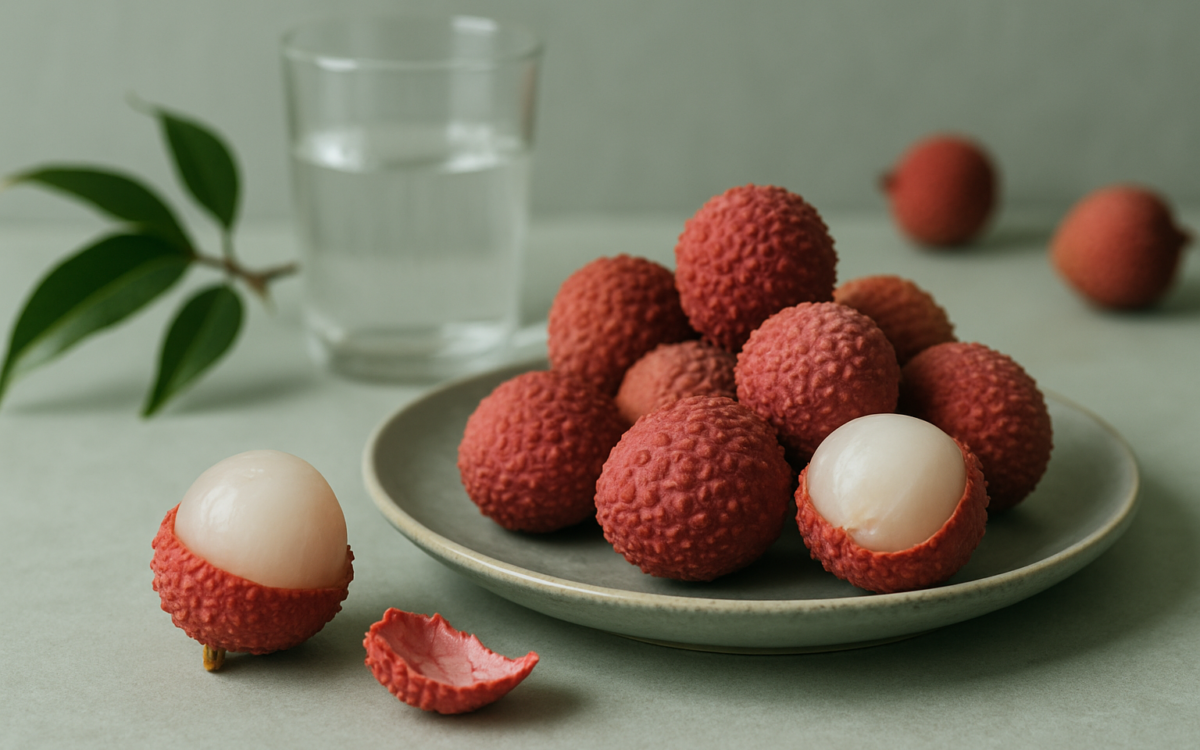
Fresh litchi, also known as lychee, is a tropical fruit that stands out for its aromatic sweetness and unique texture. Hailing from the subtropical regions of Asia, litchi is much more than just a tasty treat; it’s packed with nutrients and antioxidants that contribute to your overall health. Whether you’re enjoying it fresh, in a dessert, or as an ingredient in savory dishes, litchi is a delightful addition to your diet. In this article, we’ll explore its health benefits, culinary uses, and storage tips, so you can make the most of this exotic fruit.
The Nutritional Profile of Fresh Litchi
Litchi is not only delicious but also highly nutritious. A serving of fresh litchi (about 100 grams) provides:
- Calories: Approximately 66
- Carbohydrates: About 16.5 grams
- Fiber: Roughly 1.3 grams
- Vitamin C: Over 100% of the daily recommended intake
- Potassium: Important for heart health
This remarkable fruit is rich in antioxidants, particularly vitamin C, which bolsters the immune system and helps protect against free radical damage. Additionally, litchi boasts a variety of other vitamins and minerals that play crucial roles in maintaining optimal health.
Health Benefits of Fresh Litchi
Incorporating fresh litchi into your diet can yield multiple health benefits:
1. Boosts Immunity
As mentioned, litchi is an excellent source of vitamin C, known for its immune-boosting properties. This essential nutrient helps protect your body against infections by stimulating the production of white blood cells. A fortified immune system can be particularly beneficial during flu season or times of high stress.
2. Supports Heart Health
Litchi is rich in potassium, an essential mineral that helps regulate blood pressure by counteracting the effects of sodium. Research indicates that a diet high in potassium can reduce the risk of heart disease and stroke. Additionally, the antioxidants in litchi may help lower cholesterol levels and improve overall heart health.
3. Promotes Healthy Skin
The antioxidants and vitamin C found in fresh litchi contribute to healthier skin by promoting collagen production and protecting against sun damage. Some studies suggest that the phytonutrients in litchi might even help reduce the signs of aging.
4. Aids Digestion
Litchi contains dietary fiber, which is essential for maintaining a healthy digestive system. Fiber helps regulate bowel movements and can prevent constipation. The hydration from the fruit, combined with its fiber content, makes litchi a great choice for overall digestive health.
Culinary Uses of Fresh Litchi
Fresh litchi is versatile, making it a wonderful ingredient in various dishes. Here are some creative ways to enjoy this tropical gem:
1. Fresh Consumption
The easiest way to enjoy litchi is to eat it fresh. Simply peel off the skin and enjoy the juicy, translucent flesh inside. Fresh litchi is a delightful snack on its own or can be added to fruit salads for an exotic twist.
2. Desserts and Sweets
Litchi can be used in desserts like sorbets, jellies, and cakes. You can even blend litchi into smoothies or shakes for a refreshing drink. The sweet flavor pairs incredibly well with coconut milk, making it a popular ingredient in tropical desserts.
3. Savory Dishes
Though primarily sweet, litchi can also be incorporated into savory dishes. Try adding it to stir-fries, salads, or even as a topping for grilled meat or seafood. The unique sweetness complements spicy and savory flavors wonderfully.
How to Select and Store Fresh Litchi
When it comes to selecting fresh litchi, here are a few tips:
- Choose litchis with bright pink or red skin. Avoid those with brown or dull skin.
- The fruit should feel firm to the touch. Squeeze gently to check for ripeness.
- Fresh litchi should have a sweet aroma, indicating its ripeness.
Once you’ve selected your litchi, proper storage is key. You can store fresh litchi in the refrigerator for up to two weeks. If you need to store it longer, consider freezing the flesh after peeling. This makes for a great ingredient in smoothies or desserts later on.
Potential Risks and Allergies
While litchi is generally safe for most people, some may experience allergic reactions. Symptoms can include skin rashes, swelling, or difficulty breathing. If you’ve never eaten litchi before, it’s wise to start with a small quantity to see how your body reacts.
Furthermore, there is a concern about litchi being low in certain nutrients, particularly when consumed in large quantities. Excessive consumption can lead to hypoglycemia due to the fruit’s natural sugars. The National Institutes of Health warns that children eating unripe or excessive amounts of litchi may suffer from adverse health effects, including dangerous hypoglycemic episodes.
When to See a Doctor
If you experience any unusual symptoms after eating fresh litchi, such as allergy symptoms or persistent gastrointestinal issues, consult a healthcare provider. It’s always best to discuss any new dietary changes with your doctor, especially if you have pre-existing health conditions or dietary concerns.
In conclusion, fresh litchi is a delicious tropical fruit with numerous health benefits and versatile culinary uses. Its sweet flavor, combined with high nutritional value, makes it a worthwhile addition to your diet. So next time you come across fresh litchi at your local market, consider giving it a try and enjoy the delightful burst of flavor it brings!
