
Imagine running your fingers through your hair and feeling a sharp sting. You might have a hair splinter. While hair splinters are not as common or well-known as wood or metal splinters, they can be just as irritating. Understanding what hair splinters are, how they form, and how to treat them can help you manage this pesky problem effectively.
What Is a Hair Splinter?
A hair splinter is a small piece of hair that has broken off and gotten lodged in the skin. This condition can happen for various reasons, such as vigorous grooming, hair tangling, or simply the hair breaking off. The skin around the site of insertion may become red, inflamed, or irritated, leading to discomfort.
How Do Hair Splinters Occur?
Hair splinters can occur in a variety of scenarios. Here are some of the most common ways they form:
- Grooming: Improper combing or brushing can lead to breakage.
- Tangling: Hair that gets tangled may break more easily.
- Hair Accessories: Hair pins, bands, or clips can cause friction, leading to hair breakage.
- Physical Activities: Activities like sports can tug at the hair, increasing the likelihood of breakage.
Identifying a Hair Splinter
Identifying a hair splinter can sometimes be tricky, especially if the area is small or not highly visible. Here are some signs that you may have a hair splinter:
- Pain: You might experience a sharp pain or a feeling of discomfort in the area.
- Redness and Swelling: The skin surrounding the splinter may become red and swollen.
- Itching: An itch may accompany irritation as the body responds to the foreign object.
- Visible Hair: In some cases, you may be able to see the hair protruding from the skin.
How to Remove a Hair Splinter
If you suspect you have a hair splinter, proper removal is essential to prevent infection and alleviate discomfort. Here’s a step-by-step guide:
- Wash Your Hands: Start by washing your hands thoroughly with soap and water to avoid introducing any bacteria.
- Clean the Area: Gently clean the area where you believe the splinter is located with antiseptic or rubbing alcohol.
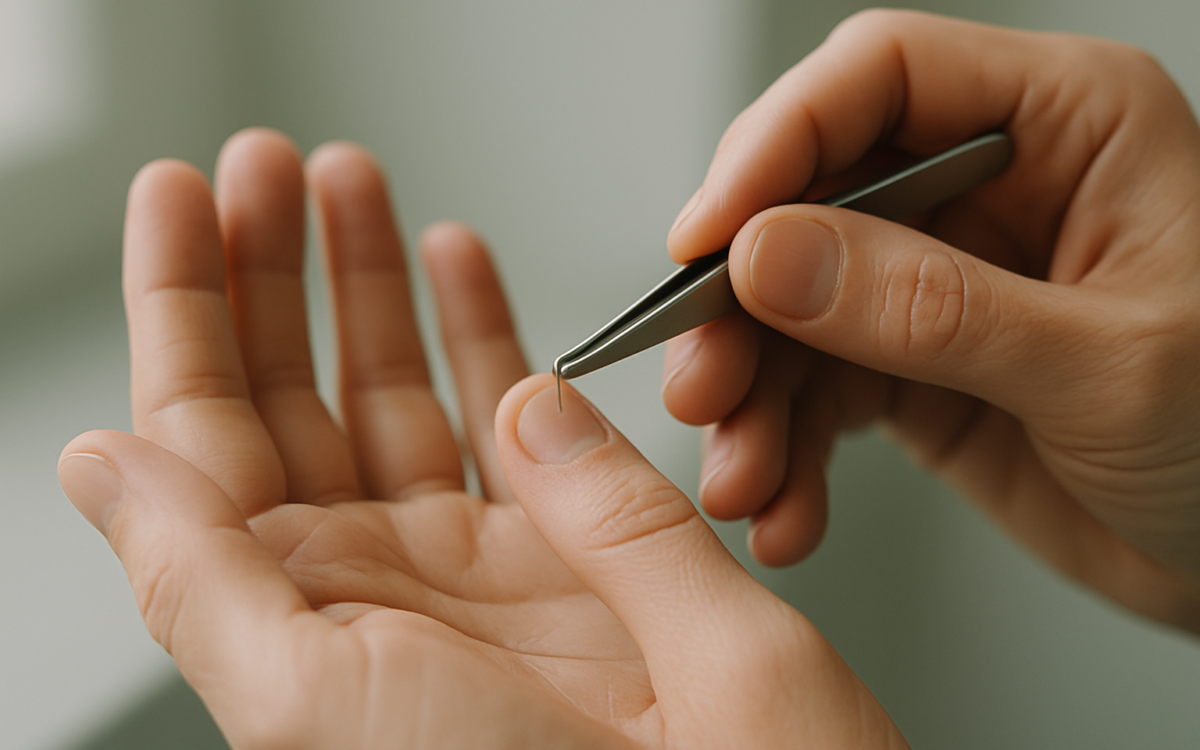
- Use Tweezers: If the hair is visible, use a pair of sterilized tweezers to grasp it gently and pull it out in the same direction it entered.
- Needle Assistance: If the hair is embedded under the skin, you may need to use a sterilized needle to lift the hair out carefully.
- Apply Antiseptic: After removal, apply an antiseptic to the area to prevent infection and promote healing.
Preventing Hair Splinters
While hair splinters can be irritating, there are preventive measures you can take to reduce the chances of getting one:
- Use a Wide-Tooth Comb: This helps minimize breakage, especially for curly or thick hair.
- Avoid Tight Hairstyles: Prevent pulling and tugging on hair by choosing looser styles.
- Be Mindful with Accessories: Use gentle hair clips and bands that do not tug at the hair.
- Maintain Hair Health: Regular conditioning treatments can strengthen hair and reduce breakage.
When to See a Doctor
While hair splinters are often manageable at home, there are times when you should consult a healthcare professional:
- If the area shows signs of infection, such as increased redness, pus, or fever.
- If you experience severe pain that does not go away after removal.
- If you are unable to remove the splinter safely or if it seems deep under the skin.
Conclusion
Hair splinters may be a minor nuisance, but with proper care and understanding, they can be managed effectively. By following preventive measures and knowing how to treat them, you can minimize irritation and maintain healthy skin. Remember, when in doubt or if complications arise, do not hesitate to seek medical advice to ensure your skin stays healthy and free of complications.
