
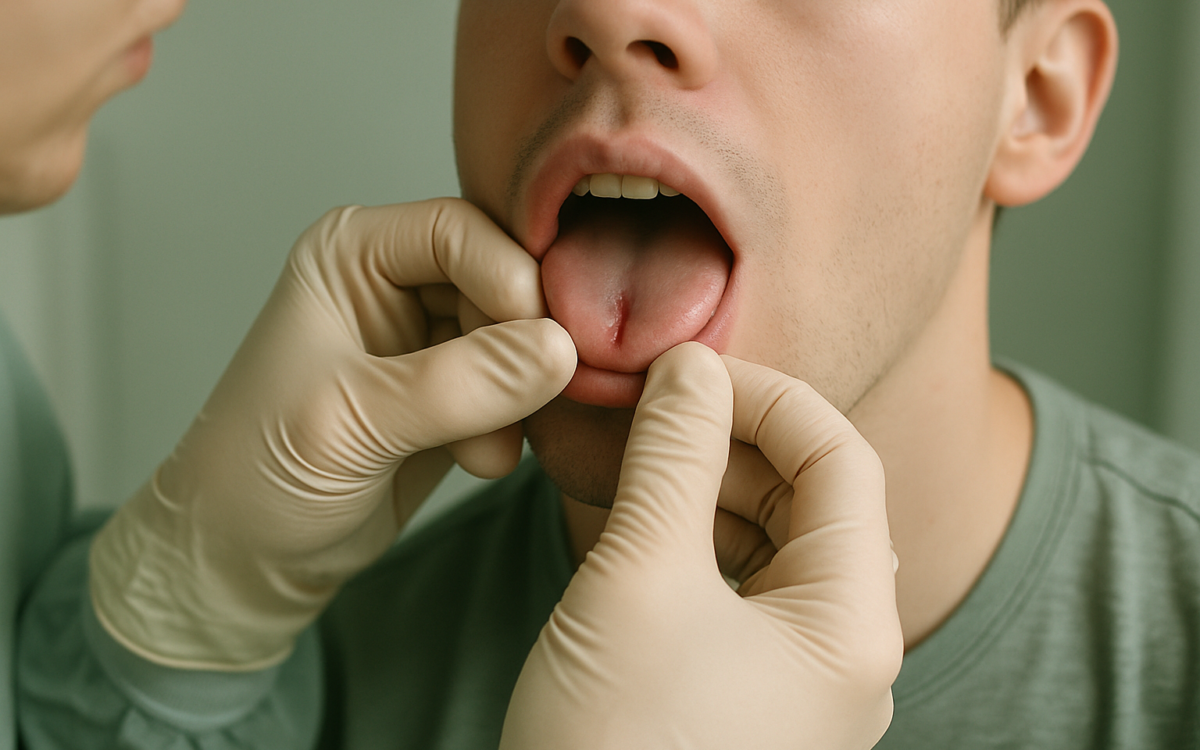
Frenulum tears can happen more often than you might think. Whether it’s during a cozy meal or an unexpected accident, knowing what a frenulum tear is and how to treat it can make all the difference. In this article, we’ll explore the details surrounding these injuries, how they occur, what to look for, and when to seek medical help.
What is a Frenulum?
The frenulum is a small fold of tissue that anchors or connects two structures in the body. There are several frenula in the body, but the most commonly known ones are in the mouth—specifically, the lingual frenulum that connects the underside of the tongue to the floor of the mouth and the labial frenulum that connects the inside of the lips to the gums. Though small, these tissues play a crucial role in maintaining oral structure and function.
Causes of Frenulum Tears
A frenulum tear can occur for various reasons, and understanding these can help in prevention:
- Trauma: Accidental biting, sharp objects, or sports injuries can lead to tears. For instance, children might sustain these injuries while playing or during roughhousing.
- Oral Habits: Some individuals have habits like chewing on pens or their nails, which may inadvertently cause damage to the frenulum.
- Dental Procedures: Certain dental treatments, such as extractions or braces installations, can sometimes lead to frenulum injuries.
Recognizing Symptoms
Frenulum tears can vary in severity, and recognizing the symptoms can help you respond effectively. Common symptoms include:
- Pain: Depending on the location and severity of the tear, you may experience mild to severe pain.
- Swelling: The area around the tear might swell, indicating inflammation.
- Bleeding: A frenulum tear can cause bleeding, especially if the tear is significant.
- Difficulty Speaking or Eating: Depending on the location, you may find it uncomfortable to speak or eat certain foods.
Healing Process and Home Care
Fortunately, most minor frenulum tears heal on their own within a few days to a week. Here are some general care tips to help manage the situation:
- Rinse with Salt Water: Mix a teaspoon of salt into a cup of warm water and gently swish it in your mouth. This can help reduce the risk of infection and soothe irritation.
- Avoid Irritation: Steer clear of spicy, hot, or acidic foods that could irritate the tear further.
- Maintain Oral Hygiene: Ensure you brush gently around the affected area to keep it clean, but avoid direct contact with the tear.
- Cold Compress: Applying a cold compress can help alleviate swelling and numb discomfort.
When to See a Doctor
While many frenulum tears are minor and heal quickly, there are times when you should consult a healthcare professional. Consider reaching out if:
- The tear is deep or if there is excessive bleeding that does not stop.
- Signs of infection appear, such as increased redness, swelling, or pus.
- You have persistent pain that is not improving.
- Eating or speaking becomes painful or impossible.
For more details on oral health, the Mayo Clinic offers helpful resources.
Possible Complications
Although complications from a frenulum tear are rare, they can occur. Some potential issues include:
- Infection: An untreated or improperly cared-for tear may develop an infection, leading to further complications.
- Chronic Pain: In some cases, individuals might experience lingering pain beyond the initial healing period.
- Scarring: While most tears heal well, some may leave behind scar tissue that could impact oral function.
If symptoms persist or worsen, it’s important to speak to a healthcare professional for a proper assessment.
Conclusion
Understanding frenulum tears, their causes, and treatment options empowers you to address this common injury effectively. Most frenulum tears are minor and heal with basic home care, but being aware of when to seek additional medical attention is essential. For ongoing concerns or persistent symptoms, don’t hesitate to consult your healthcare provider for tailored advice.
