
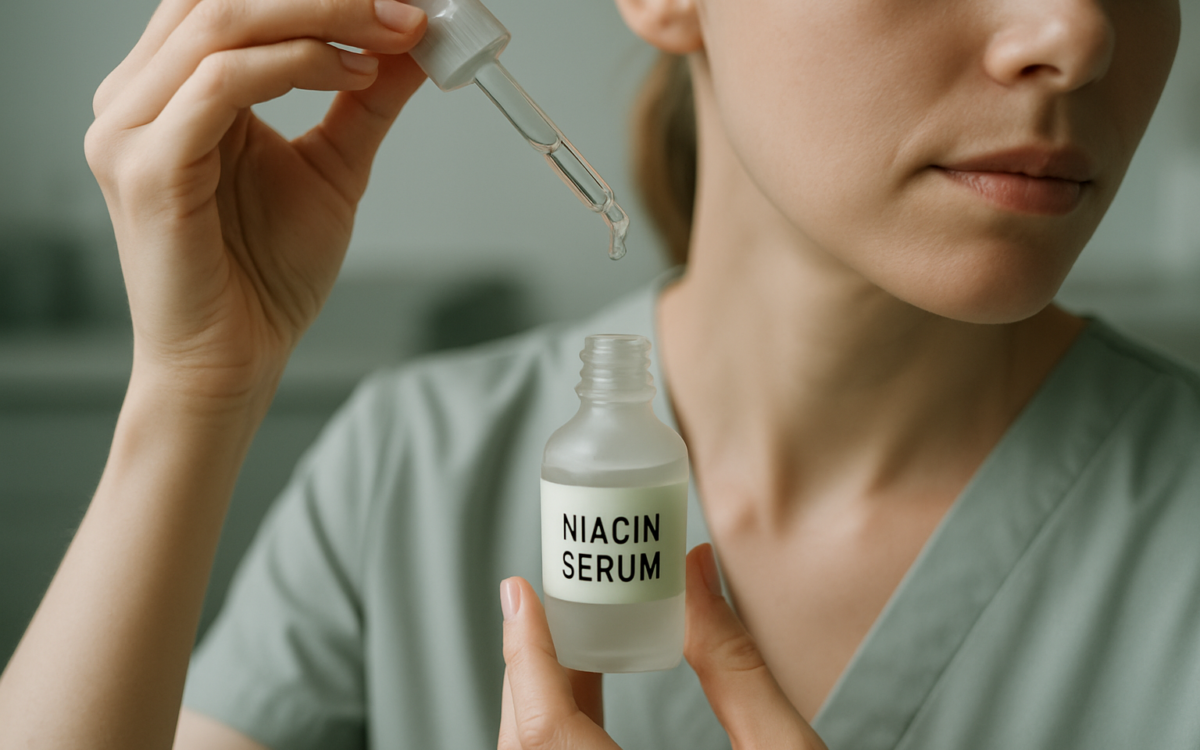
As the world of skincare continues to evolve, consumers are increasingly interested in powerful ingredients that promise remarkable benefits. One such ingredient that has gained attention in recent years is niacin, particularly in its serum form. Known for its multitude of skin-enhancing properties, niacin serum can be a game-changer for your skincare routine. But what exactly is it, and how can it benefit your skin?
What is Niacin Serum?
Niacin, also known as vitamin B3, is an essential nutrient that plays a critical role in various bodily functions, including cell repair and metabolism. When formulated into a serum, it often appears as niacinamide, a stable form of niacin that penetrates the skin effectively. Niacin serum is particularly appealing because it caters to various skin types and addresses multiple concerns, from dryness to signs of aging.
Benefits of Niacin Serum for Skin
Niacin serum boasts a wide array of benefits, which can significantly enhance your skincare regimen. Here are some key advantages:
- Hydration: Niacin helps to strengthen the skin’s moisture barrier, reducing water loss and increasing hydration. This can be especially beneficial for individuals with dry or dehydrated skin.
- Brightening: Regular use of niacin serum can lead to a more even skin tone by reducing the appearance of dark spots and hyperpigmentation. This brightening effect can make your complexion look more radiant.
- Anti-Aging: Niacin is known to improve the elasticity of the skin, which may help to reduce the visibility of fine lines and wrinkles over time.
- Soothing Properties: If you have sensitive or irritated skin, niacin serum can be soothing. It has anti-inflammatory properties that may help to calm redness and irritation.
- Minimizing Pores: Some studies suggest that niacin can help reduce the appearance of enlarged pores, leading to a smoother skin texture.
How to Use Niacin Serum
Incorporating niacin serum into your skincare routine is relatively straightforward. Here are some tips on how to use it effectively:
- Cleanse: Start with a clean face. Use your favorite gentle cleanser to remove dirt and makeup.
- Apply Toner: If you use a toner, apply it after cleansing. This helps prepare your skin for better absorption of the serum.
- Use Niacin Serum: Dispense a small amount of niacin serum onto your fingertips and gently apply it to your skin. You can use it alone or layer it under your moisturizer.
- Follow Up: After letting the serum absorb, apply your regular moisturizer and sunscreen (if it’s daytime).
Choosing the Right Niacin Serum
With an increasing number of niacin serums available on the market, selecting the right one can be daunting. Here are some factors to consider:
- Concentration: Look for a serum with a concentration of niacinamide between 5% and 10%, as this range has been shown to provide effective results without causing irritation.
- Formulation: Opt for a serum that includes complementary ingredients like hyaluronic acid for hydration or peptides for additional anti-aging benefits.
- Skin Type: Choose a serum that matches your skin’s needs. If you have oily skin, lightweight formulations may work best, while drier skin types may benefit from richer textures.
Potential Side Effects
Generally, niacin serum is well-tolerated, but some individuals may experience side effects, especially when using higher concentrations. Common reactions include:
- Skin irritation: Redness or a tingling sensation may occur in some users.
- Breakouts: Some people with sensitive skin may experience breakouts when they first start using niacin serum. This is often temporary.
To minimize the risk of side effects, it’s a good idea to start with a lower concentration and gradually increase use as your skin adjusts. Always perform a patch test before incorporating a new product into your routine.
Interactions with Other Products
While niacin serum is versatile, it is essential to be mindful of how it interacts with other skincare ingredients. Here are some tips:
- Avoid using it simultaneously with strong exfoliants, such as retinoids or alpha hydroxy acids (AHAs), as this can increase the risk of irritation.
- If you are using vitamin C in your skincare routine, consider applying niacin serum at a different time (for example, at night) to avoid potential interactions.
When to See a Doctor
If you experience severe irritation, persistent redness, or any other concerning reactions while using niacin serum, it’s important to consult a healthcare provider. Additionally, if you’re unsure about incorporating niacin serum into your regimen or if you have underlying skin conditions, it’s best to seek professional advice.
Conclusion
Niacin serum can be a beneficial addition to your skincare arsenal, offering a range of properties that improve hydration, brighten the skin, and reduce the appearance of aging. With its accessibility and versatility, many individuals can find a niacin serum that suits their needs. Remember, however, to consult with a healthcare provider before starting any new skincare product, especially if you have specific concerns or sensitive skin. By understanding how to incorporate this powerful ingredient, you can unlock healthier, more radiant skin.
