
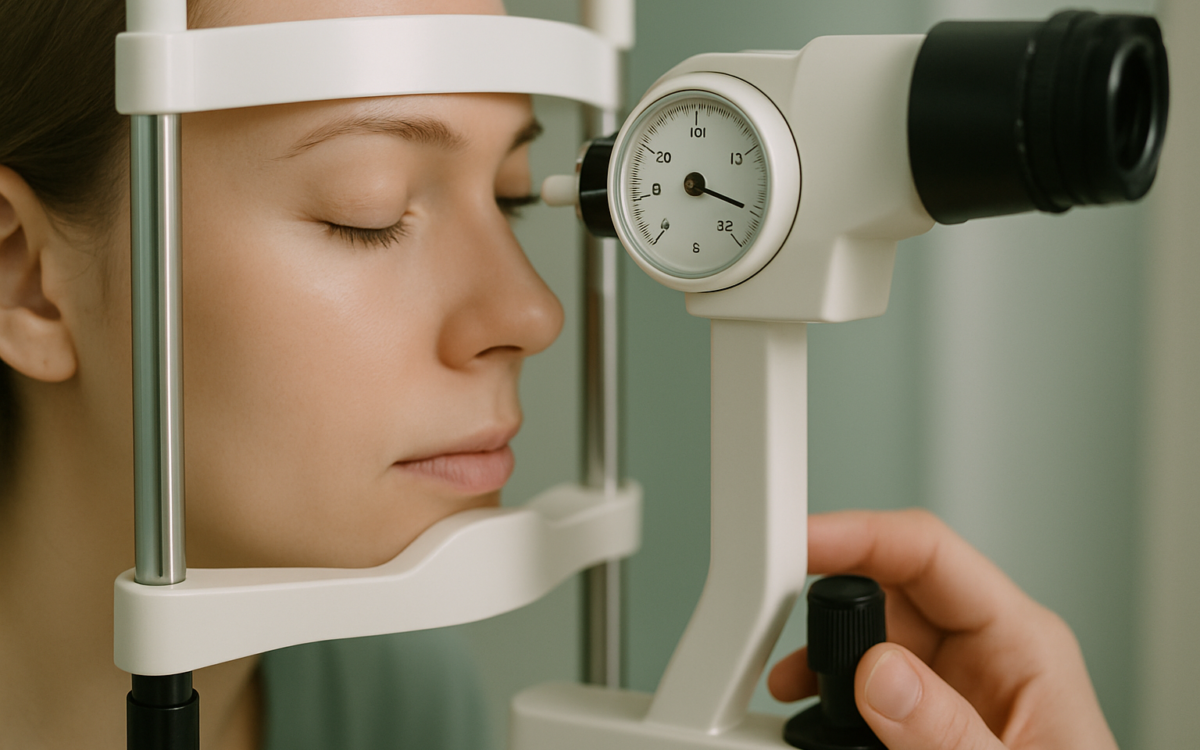
Eyes are often referred to as the windows to the soul, but they are also crucial indicators of our overall health. One important aspect of eye health is intraocular pressure (IOP), which is the pressure inside the eye. Understanding what constitutes average normal eye pressure can help you maintain healthy vision and detect potential problems early on.
What Is Eye Pressure?
Eye pressure refers to the fluid pressure inside the eye. This pressure is primarily determined by the balance between the production and drainage of aqueous humor, a clear fluid produced by the ciliary body. Normal eye pressure is necessary to maintain the shape of the eye and ensure proper functioning.
What Is Considered Average Normal Eye Pressure?
The average normal eye pressure typically ranges from 10 to 21 millimeters of mercury (mm Hg). Eye pressure readings are usually taken during a comprehensive eye exam using a tonometer. A reading within this range is commonly considered normal, though it can vary based on individual factors like age, ethnicity, and overall health.
The Importance of Monitoring Eye Pressure
Regular monitoring of eye pressure is vital for a number of reasons:
- Glaucoma Detection: High eye pressure is a significant risk factor for glaucoma, a condition that can lead to irreversible vision loss. Regular eye exams can help catch this disease early.
- Eye Health Indicators: Abnormal eye pressure can signify other health issues, such as eye inflammation or retinal detachment.
- Overall Wellness: Changes in eye pressure can sometimes reflect systemic health problems, including high blood pressure and diabetes.
Factors That Influence Eye Pressure
Several factors can influence intraocular pressure, including:
- Age: As people age, their risk of developing elevated eye pressure increases.
- Family History: A family history of glaucoma or elevated eye pressure can make individuals more susceptible.
- Medical Conditions: Conditions like diabetes, high blood pressure, and certain eye injuries can affect normal eye pressure levels.
- Medications: Some medications, particularly corticosteroids, can increase eye pressure.
How Is Eye Pressure Measured?
The most common way to measure eye pressure is through a procedure called tonometry, which can be done via several methods:
- Applanation Tonometry: This method levels out a small area of the cornea and measures the force required to flatten it.
- Non-Contact Tonometry: Often referred to as the “air puff” test, this technique uses a puff of air to measure the eye pressure without touching the eye.
Understanding High and Low Eye Pressure
While average normal eye pressure is 10 to 21 mm Hg, readings above this range may indicate elevated pressure, potentially leading to conditions like glaucoma. Conversely, low eye pressure (less than 10 mm Hg) can lead to conditions such as hypotony, which may cause complications if untreated.
Symptoms of Abnormal Eye Pressure
Abnormal eye pressure may not always present noticeable symptoms, which is why routine eye exams are crucial. However, some signs that may indicate an issue include:
- Severe headaches
- Nausea or vomiting
- Blurred vision
- Seeing halos around lights
- Gradual loss of peripheral vision
Maintaining Healthy Eye Pressure
While some risk factors for abnormal eye pressure are beyond our control, there are preventive measures that can help maintain average normal eye pressure:
- Regular Eye Exams: Schedule consistent check-ups with your eye care professional.
- Healthy Diet: Include foods rich in antioxidants, such as leafy greens and fish, which may support eye health.
- Exercise: Regular physical activity can help reduce eye pressure by improving overall circulation.
- Avoid Smoking: Quitting smoking helps preserve eye health and reduces various health risks.
When to See a Doctor
If you experience any symptoms of abnormal eye pressure or have risk factors such as a family history of glaucoma, it’s essential to consult a healthcare provider. Regular check-ups can help catch any potential problems early.
Conclusion
Understanding average normal eye pressure is vital for maintaining your eye health. By familiarizing yourself with what constitutes a normal range, the factors affecting it, and the importance of regular eye exams, you can play an active role in safeguarding your vision. For more information about eye health, visit resources such as the NIH or the Mayo Clinic.
