
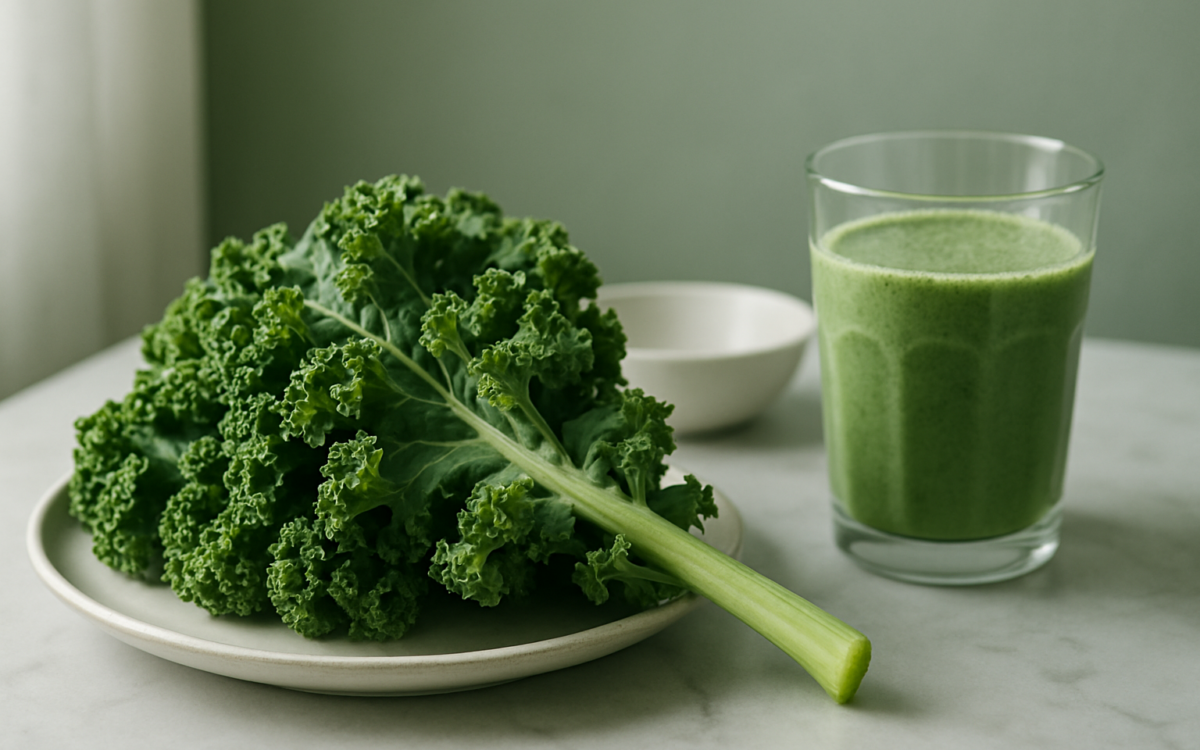
Kale is often hailed as a superfood, but is it good for you? This leafy green, known for its vibrant color and unique taste, can pack a powerful punch when it comes to nutrition. Whether you’re a fan of salads, smoothies, or stir-fries, incorporating kale into your meals may offer a range of health benefits. Let’s explore what makes kale so special and how it can fit into your diet.
The Nutritional Breakdown of Kale
Kale is rich in vitamins, minerals, and antioxidants. Just one cup of raw kale contains:
- Vitamins A, C, and K: Essential for eye health, immune function, and blood clotting.
- Calcium: Important for bone health.
- Iron: Necessary for transporting oxygen in the blood.
- Fiber: Supports healthy digestion.
- Antioxidants: Protects against cellular damage.
These nutrients contribute to kale’s reputation as a powerhouse of health benefits.
Health Benefits of Kale
Rich in Antioxidants
Kale is loaded with antioxidants, such as quercetin and kaempferol. Antioxidants help fight free radicals in the body, which can contribute to chronic diseases and aging. A diet rich in antioxidants may lower the risk of heart disease and cancer. Studies have shown that eating more fruits and vegetables, particularly those high in antioxidants, improves overall health and wellness (National Institutes of Health).
Support for Heart Health
Including kale in your diet may also promote heart health. Its high fiber content helps lower cholesterol levels, which can reduce the risk of heart disease. Additionally, the potassium in kale can help maintain healthy blood pressure levels. Researchers from the World Health Organization have suggested that increasing your intake of leafy greens like kale can benefit cardiovascular health (WHO).
Weight Management and Kale
Kale is low in calories but high in volume, making it an excellent food choice for those looking to manage their weight. Its fiber content helps you feel full for a longer time, reducing the chances of overeating. This can be particularly beneficial if you’re trying to lose weight or maintain a healthy weight. Including kale in your meals can add bulk and nutrients without adding many calories.
How to Incorporate Kale into Your Diet
Getting more kale into your meals can be easy and delicious. Here are some tasty ways to enjoy this leafy green:
- Salads: Use kale as a base for salads, combining it with other vegetables, nuts, and a light dressing.
- Smoothies: Blend kale into your smoothies for an extra nutrient boost.
- Soups and Stews: Add chopped kale to healthy soups and stews for added texture and flavor.
- Sautéed: Lightly sauté kale with garlic and olive oil for a quick and nutritious side dish.
- Raw: Use it in wraps or sandwiches for a crunchy, fresh element.
If you’re considering international treatment options or seeking culinary inspiration from around the world, you might explore recipes at acibademinternational.com.
Potential Side Effects of Kale
While kale is packed with nutrients, consuming it in large quantities may lead to some side effects. Kale belongs to the cruciferous family of vegetables, which means it contains substances called goitrogens that can affect thyroid function in susceptible individuals. If you have a thyroid disorder, you may want to eat kale in moderation or consult with a healthcare provider.
When to See a Doctor
If you have specific health concerns or conditions that could be impacted by dietary changes, it’s important to consult your doctor. This is especially true if you experience any unusual symptoms after adding kale to your diet. Your health professional can provide personalized guidance that suits your needs.
In conclusion, kale is more than just a trendy salad ingredient; it’s a nutritional powerhouse that offers numerous health benefits. From supporting heart health to aiding in weight management, there’s plenty of good reason to include kale in your meals. Just remember to enjoy it as part of a balanced diet, and consult your doctor with any concerns.
