
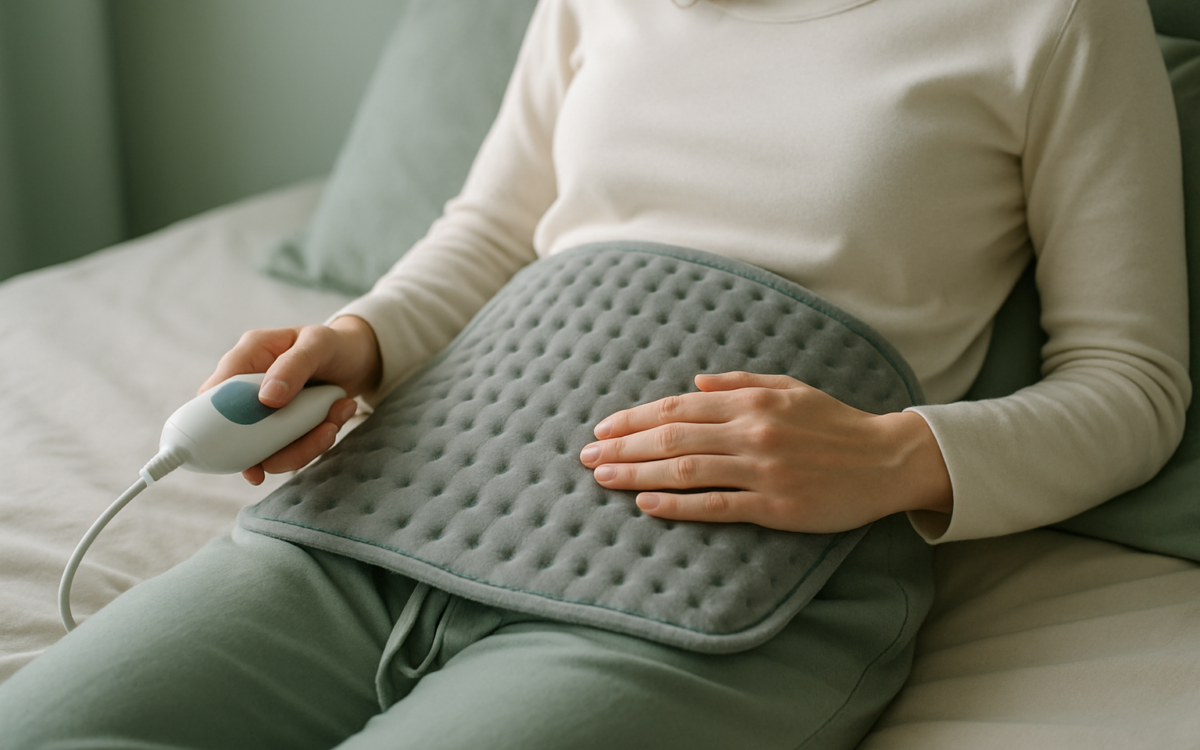
Heating pads have long been a favorite tool for people seeking comfort from pain or muscle discomfort. Whether you’re dealing with cramps, soreness, or tension, a heating pad can offer soothing warmth and relief. But how do they work? And are there best practices for their use? Let’s dive in.
Understanding Heating Pads
Heating pads are devices designed to provide dry or moist heat to a specific area of the body. They come in various forms, including electric pads, microwaveable packs, and even hot water bottles. The principles behind their functioning are simple: heat can help relax muscles, reduce stiffness, and increase blood flow to the affected areas, aiding in the healing process.
Benefits of Using Heating Pads
Heating pads offer numerous benefits, particularly for individuals experiencing certain health conditions or everyday strains. Here are some of the key advantages:
- Pain Relief: Heat can relieve pain by improving circulation and relaxing tight muscles, making heating pads an excellent choice for neck, back, and abdominal discomfort.
- Muscle Relaxation: Applying heat can soothe muscle spasms or tension, helping your muscles to relax.
- Enhanced Blood Flow: Heat promotes vasodilation, or the widening of blood vessels, which can help bring vital nutrients to affected areas.
- Stress Relief: The warmth from a heating pad can have a calming effect, reducing stress and promoting relaxation.
Choosing the Right Heating Pad
When selecting a heating pad for pain relief, consider the following factors:
- Size: Choose a size that fits comfortably on the affected area. Larger pads may cover more extensive areas, while smaller pads are better for targeting localized pain.
- Type: Electric pads allow for adjustable heat settings and constant warmth, while microwaveable pads offer portability and are great for quick use.
- Moist vs. Dry Heat: Moist heat can penetrate deeper and may be more effective for some muscle issues. Electric pads often offer this feature with built-in moist heat options.
- Safety Features: Look for features such as automatic shut-off to prevent overheating and burns.
How to Use a Heating Pad Safely
When using a heating pad, it’s crucial to follow some safety guidelines to avoid injury:
- Duration: Limit your use of a heating pad to 15-30 minutes at a time, allowing your skin and muscles to cool down before reapplying.
- Barrier Layer: Always place a layer, like a towel or thin cloth, between the heating pad and your skin to prevent burns.
- Avoid Sleeping with It: Never use a heating pad while sleeping. This can lead to burns or overheating.
- Check for Damage: Before each use, inspect your heating pad for frayed wires or other damages that could pose a safety risk.
International Perspectives on Heat Therapy
In some cultures, heat therapy extends well beyond just heating pads. For example, many Asian and European wellness practices incorporate various forms of heat treatment, such as saunas or hot stone massages. Visitors seeking advanced treatments often explore international patient services that specialize in holistic approaches, blending traditional practices with modern medicine. Not only does this provide relief, but these therapies can also enhance overall wellness.
When to See a Doctor
While heating pads are generally safe, certain conditions require medical attention. If you experience any of the following, consult your doctor:
- Severe or persistent pain that does not improve with heat.
- Unexplained swelling or limb immobility.
- Skin irritation or burns from heating pad use.
- Symptoms of serious underlying conditions, such as fever or weight loss.
Conclusion
Heating pads can be a valuable tool for managing pain and enhancing relaxation. With proper use, they can provide significant relief from various conditions while also contributing to overall well-being. Remember to choose the right type, follow safety guidelines, and consult your healthcare provider when necessary. Enjoy the warmth!
