
When it comes to drinking alcohol, many seek to understand just how much is too much. In the United States, a blood alcohol concentration (BAC) of .08% is the legal threshold for driving under the influence. But how many drinks does it take to reach this level? In this article, we’ll explore factors that contribute to your BAC, the number of drinks generally required to hit .08, and much more.
What is Blood Alcohol Concentration?
Blood Alcohol Concentration, or BAC, measures the amount of alcohol present in a person’s bloodstream. A BAC of .08% means that a person has 0.08 grams of alcohol per deciliter of blood. This level can impair judgment, coordination, and reaction times, making activities like driving dangerous.
How Many Drinks Is .08? Understanding Standard Drinks
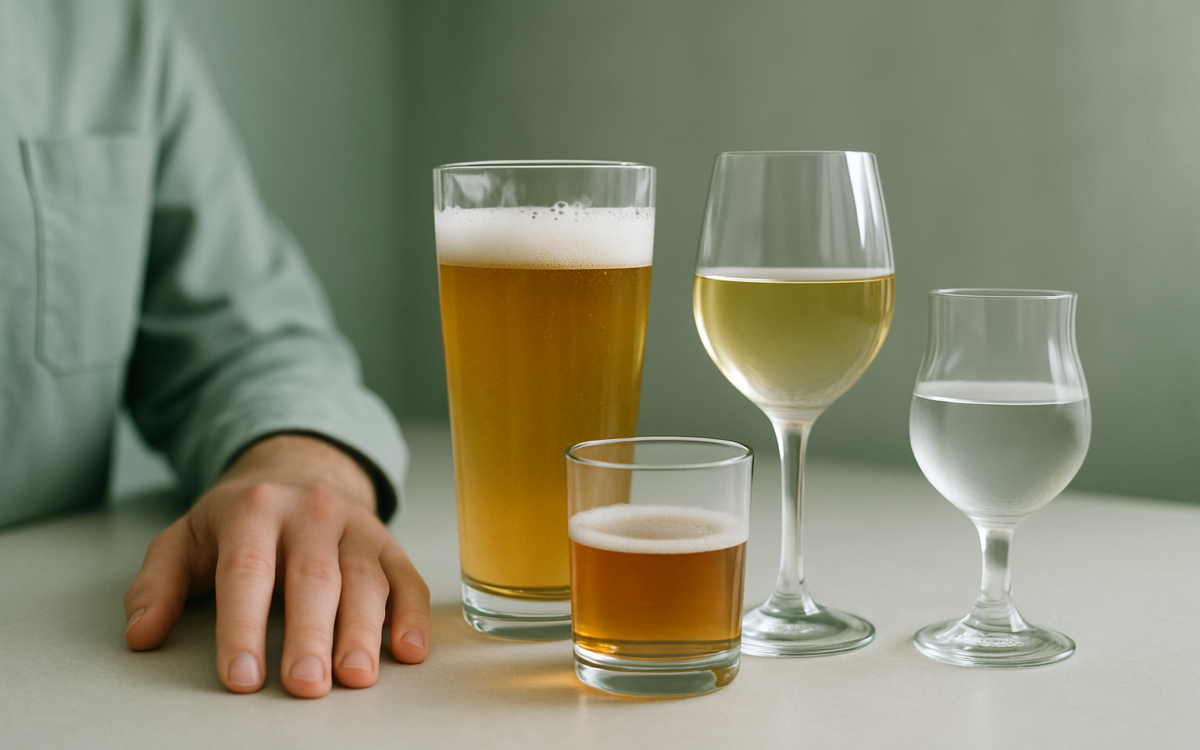
To answer the question of how many drinks equals a BAC of .08, it’s essential to define what a standard drink is. In the U.S., a standard drink contains about 14 grams of pure alcohol. This amount typically comes from:
- 12 ounces of beer (usually about 5% alcohol)
- 5 ounces of wine (typically around 12% alcohol)
- 1.5 ounces of distilled spirits (around 40% alcohol)
Generally, a person weighing 160 pounds might reach a BAC of .08 after about 4 to 5 standard drinks over a two-hour period. However, this can vary significantly based on several factors that we’ll discuss next.
Factors Influencing BAC Levels
Understanding how many drinks it takes to reach a BAC of .08 involves more than simple math. Several critical factors play a role in how alcohol is metabolized in the body:
1. Body Weight
Your body weight significantly impacts how alcohol affects you. Generally, heavier individuals will require more alcohol to reach a .08 BAC than lighter individuals due to a greater volume of blood and water in their bodies, which dilutes alcohol.
2. Gender
Men and women metabolize alcohol differently due to variations in body composition and hormones. Women often reach a higher BAC more quickly than men after consuming the same amount of alcohol. This difference is due to women typically having a higher proportion of body fat and lower water content.
3. Food Intake
Eating before or while drinking can slow the absorption of alcohol. A full stomach can help reduce the peak BAC level and delay its onset, while drinking on an empty stomach can lead to quicker intoxication.
4. Rate of Consumption
The speed at which alcohol is consumed also matters. Drinking several drinks in a short timeframe will lead to a quicker increase in BAC than spacing them out over time. For example, five drinks consumed in an hour will raise BAC more than those same drinks consumed over four hours.
Variability and Individual Differences
It’s essential to remember that the calculations around BAC are approximations. Two people can have the same weight and drink the same number of drinks over the same time period yet still register different BAC levels. Factors like genetics, overall health, metabolism, medications, and even hydration can create variability.
For instance, someone with a faster metabolism may process alcohol more quickly, while others who take certain medications may be more sensitive to alcohol effects. For a more global view, international guidelines regarding alcohol consumption and BAC limits can differ, and it’s interesting to note that different cultures have varying perceptions of drinking norms. For more information on international views on alcohol treatment and consumption, visit acibademinternational.com.
Legal Implications of .08 BAC
In the U.S., having a BAC of .08% or higher while operating a vehicle puts individuals at risk of being charged with a DUI (Driving Under the Influence). Penalties can include fines, license suspension, and even jail time. Furthermore, a DUI charge can have long-term effects on personal and professional life.
It is crucial to understand that even below .08 can still impair driving abilities. Many states have stricter laws for underage drinkers or those in commercial vehicles. Always prioritize safety and find alternative transportation if you plan to drink.
Tips for Safe Drinking
While the best way to avoid reaching a BAC of .08 or higher is to drink responsibly and in moderation, there are several additional tips to help you stay safe:
- Know your limits: Understand how alcohol affects you personally and set a limit before you start drinking.
- Eat before drinking: A good meal can slow alcohol absorption.
- Stay hydrated: Alternating alcoholic drinks with water can help dilute alcohol concentration.
- Plan a safe ride home: Always arrange for a designated driver or use ride-sharing services.
When to See a Doctor
If you find that alcohol consumption is negatively impacting your life, relationships, or health, it’s essential to talk to a healthcare professional. Signs such as trouble controlling your drinking, experiencing withdrawal symptoms, or feeling an overwhelming urge to drink warrant professional guidance.
Conclusion
Understanding how many drinks lead to a BAC of .08 can empower you to make safer choices when it comes to alcohol consumption. Remember, the number of drinks required varies significantly from person to person due to many factors. Responsible drinking is key, and if you’re ever in doubt, it’s best to err on the side of caution.
