
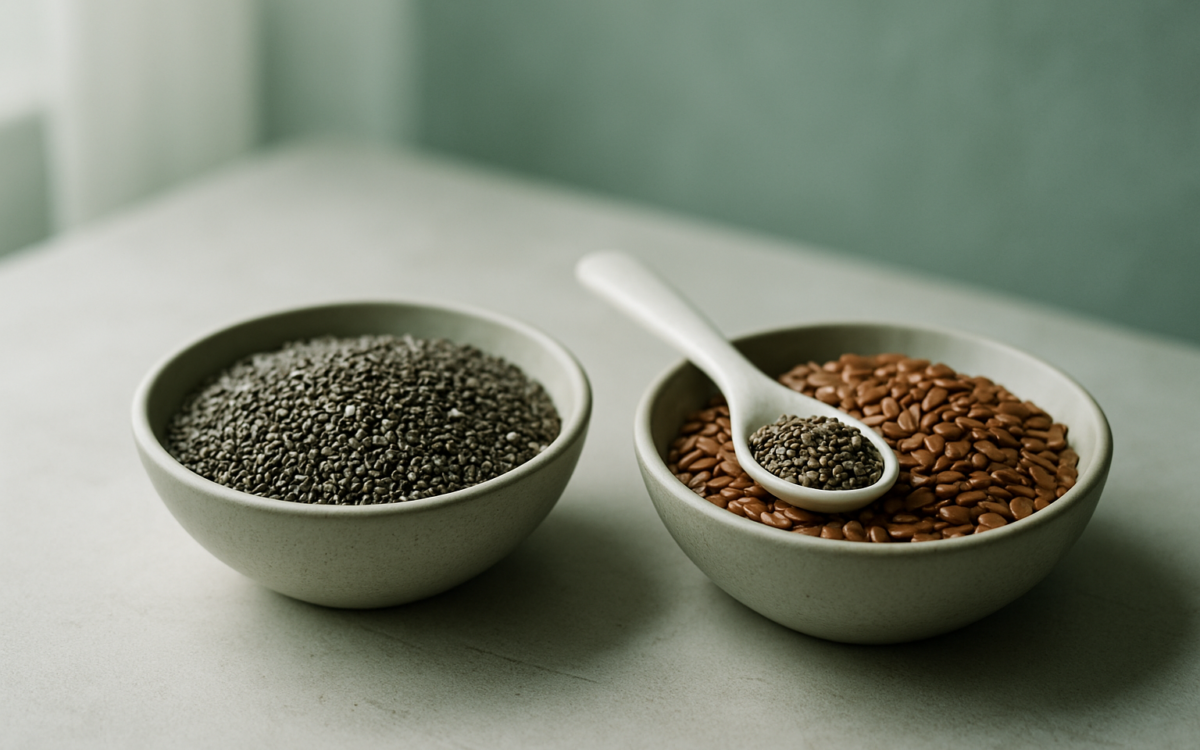
Chia and flax seeds are often hailed as superfoods packed with nutrients. They are both versatile ingredients in various diets, and while they share some similarities, they also have key differences that may influence your choice. Whether you’re looking to enhance your smoothie, cereal, or baked goods, understanding these seeds can help you make informed decisions about your health.
Nutrition Overview
Both chia and flax seeds boast impressive nutritional profiles. They are excellent sources of dietary fiber, which can support digestive health. Here’s a quick comparison:
- Chia Seeds: Approximately 1 ounce (28 grams) contains 138 calories, 11 grams of fiber, 4 grams of protein, and 9 grams of fat, primarily in the form of omega-3 fatty acids.
- Flax Seeds: 1 ounce offers around 150 calories, 8 grams of fiber, 5 grams of protein, and 12 grams of fat, with a good amount of omega-3 fatty acids.
While both seeds are rich in healthy fats and protein, chia seeds contain more fiber, making them particularly beneficial for those looking to improve their digestive health.
Health Benefits
Chia and flax seeds provide numerous health benefits, which include supporting heart health, improving digestion, and even aiding in weight management.
Heart Health
The omega-3 fatty acids found in both seeds are known for their potential heart health benefits. These healthy fats can help reduce inflammation and lower blood pressure. According to the National Institutes of Health, omega-3 fatty acids may also aid in lowering cholesterol levels.
Digestive Health
The high fiber content in both chia and flax seeds can promote digestive health. Fiber helps to regulate the bowel and can prevent constipation. Chia seeds may especially shine in this aspect, as they can absorb up to 10-12 times their weight in water, forming a gel-like substance that can aid in hydration and digestion.
Weight Management
Including either chia or flax seeds in your diet may support weight management efforts. Their high fiber content can help increase feelings of fullness, which may reduce overall calorie intake. Some studies suggest that both seeds can help with satiety, but chia seeds may have the edge due to their unique gel-forming ability.
Preparation and Usage
When it comes to preparation, both chia and flax seeds can be easily incorporated into your daily meals.
Chia Seeds
Chia seeds are incredibly versatile. They can be added directly to smoothies, yogurt, or oatmeal. A popular method involves soaking them in water or a liquid to create a pudding-like texture. This can be a delicious and nutritious base for desserts or breakfast options.
Flax Seeds
Flax seeds are typically enjoyed ground, as whole flax seeds may pass through the digestive system undigested. Ground flaxseed can be added to baked goods, such as muffins and pancakes, or mixed into smoothies and cereals. It’s best to store flax seeds in the refrigerator to prevent them from becoming rancid.
Potential Concerns
While both chia and flax seeds have many health benefits, there are a couple of considerations to keep in mind.
Chia Seeds
Some individuals may experience digestive discomfort if they consume chia seeds without sufficient hydration. Since they absorb a lot of liquid, it’s essential to drink enough water when consuming them.
Flax Seeds
Flax seeds contain lignans, which have antioxidant properties, but they also contain small amounts of cyanogenic compounds. However, the levels in ground flax seeds are generally considered safe for most people. Mayo Clinic advises moderation, especially for those with specific health conditions.
Chia and Flax in a Balanced Diet
Incorporating either chia or flax seeds into your diet can provide you with a host of nutrients. They can be used in a variety of dishes, from breakfast to dinner, and even in snacks. Consider alternating between the two to enjoy the diverse benefits each has to offer.
When to See a Doctor
If you are experiencing gastrointestinal issues after including these seeds in your diet, or if you have concerns about how they fit into your nutrition plan, consider consulting a healthcare professional. They can provide tailored advice based on your health needs.
In summary, both chia and flax seeds can be healthy additions to your diet. Understanding their nutritional profiles and benefits can help you decide which seed—or if both—suit your dietary goals best. Remember, moderation and variety are key components to a balanced diet.
