
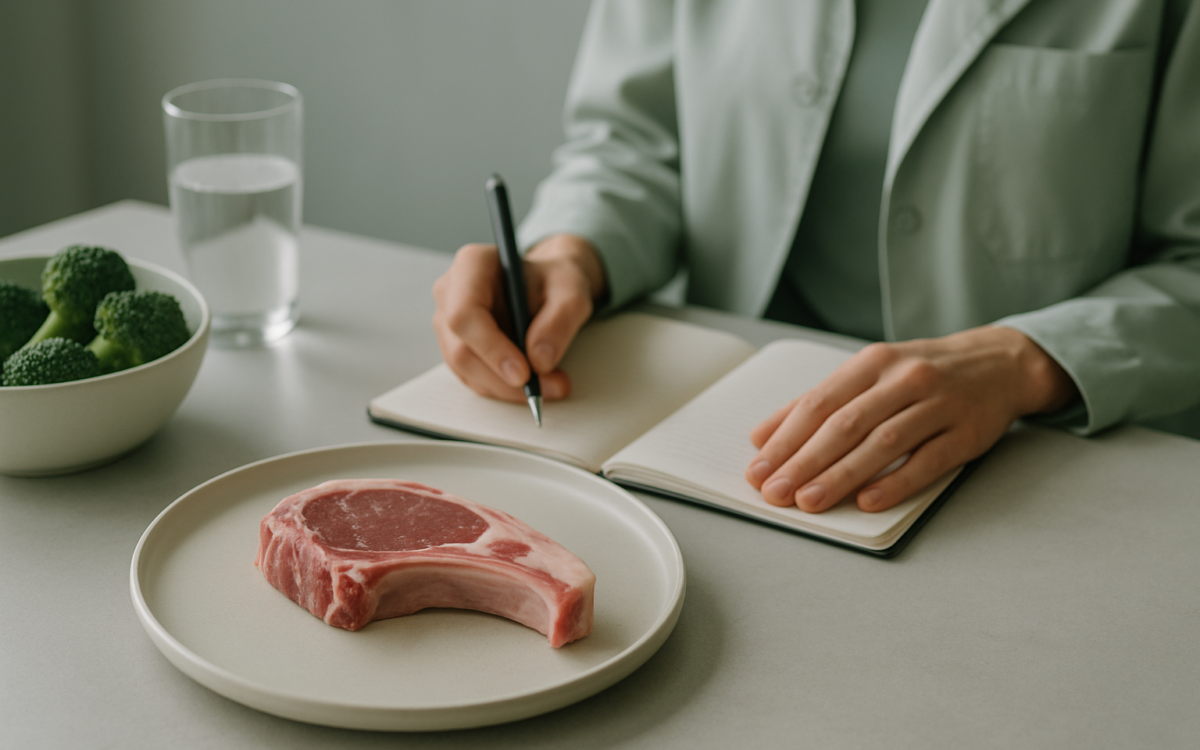
Lamb is a popular choice in many cuisines around the world, prized for its tender texture and rich flavor. From hearty stews to elegant roasts, lamb adds a unique taste to various dishes. But as with any food, it’s essential to understand its nutritional value and health implications. This article will explore whether lamb is a healthy choice, the benefits it offers, and any risks associated with its consumption.
The Nutritional Profile of Lamb
Lamb is a source of high-quality protein, essential vitamins, and minerals. A typical 3-ounce serving of cooked lamb contains approximately:
- Approximately 23 grams of protein
- About 290 calories
- 15-20 grams of fat, depending on the cut
- Iron, zinc, and B-vitamins, particularly B12
Protein is vital for building and repairing tissues, while iron plays a crucial role in transporting oxygen in your blood. Zinc supports immune function, and B vitamins help with energy production and brain function (National Institutes of Health).
Health Benefits of Eating Lamb
Including lamb in moderation can offer several health benefits:
1. High-Quality Protein Source
The protein in lamb is complete, meaning it contains all essential amino acids our bodies need. This makes it an excellent option for those who require higher protein intakes, such as athletes or individuals recovering from illness.
2. Rich in Nutrients
Lamb is abundant in vital nutrients:
- Ionic Iron: The heme iron in lamb is more easily absorbed than the non-heme iron found in plant foods, making it beneficial for preventing anemia.
- Zinc: This mineral supports immune health and is crucial for wound healing. Just 3 ounces of lamb can provide nearly 40% of your daily zinc requirements.
- Vitamin B12: Important for nerve function and making DNA, vitamin B12 is primarily found in animal products, making lamb a great option for those not consuming enough.
3. Potential Heart Health Benefits
Contrary to the belief that all red meats are detrimental to heart health, some studies suggest that moderate consumption of lamb can be part of a heart-healthy diet. Lean cuts of lamb, which are lower in saturated fat, can contribute to heart health when consumed as part of a balanced diet (Mayo Clinic).
Understanding the Risks
While lamb has its benefits, there are also risks to consider:
1. Saturated Fat Content
Lamb, especially fattier cuts, can be high in saturated fat. High intake of saturated fat has been linked to increased cholesterol levels and cardiovascular disease. If you enjoy lamb, opting for lean cuts like lamb loin or leg can help mitigate these risks.
2. Cooking Methods Matter
How you prepare lamb can also influence its healthfulness. Grilling, roasting, or baking lamb are healthier methods than frying, which can add unnecessary calories and fat. Additionally, overcooking lamb can create harmful compounds.
3. Considerations for Certain Groups
People with specific health conditions, such as gout or certain kidney issues, may need to limit their intake of red meats, including lamb. The high purine content in lamb can exacerbate these conditions. Always consult a healthcare professional for personalized advice.
Best Practices for Including Lamb in Your Diet
If you enjoy lamb and want to incorporate it into your diet, here are some tips:
- Choose Lean Cuts: Opt for cuts like leg, loin, or rack that are lower in fat.
- Moderation is Key: Aim for controlled portions, enjoying lamb as an occasional treat rather than a daily main dish.
- Balance Your Plate: Serve lamb with plenty of vegetables and whole grains for a well-rounded meal.
- Experiment with Spices: Use herbs and spices to enhance flavor instead of relying on heavy sauces or marinades that can add calories and saturated fats.
When to See a Doctor
If you experience any adverse effects after eating lamb or have specific health conditions that might be aggravated by red meat consumption, it’s essential to consult a healthcare provider. They can address any dietary concerns and help you create a balanced eating plan.
Conclusion
Lamb can be a nutritious option when consumed in moderation and as part of a balanced diet. With its wealth of protein, vitamins, and minerals, it holds the potential to benefit your health. However, consumers should be aware of its saturated fat content and consider cooking methods and portion sizes. By making informed choices, you can enjoy this flavorful meat while maintaining good health.
