
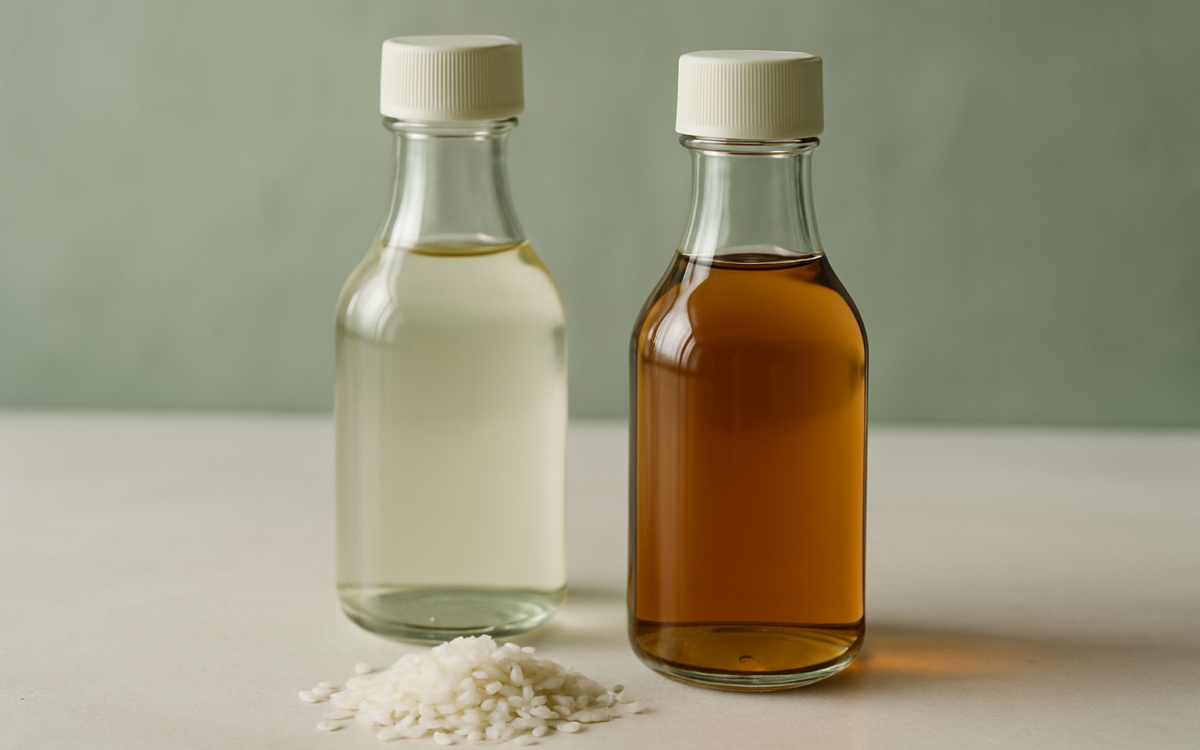
Rice vinegar and rice wine vinegar are two terms that often confuse many home cooks and culinary enthusiasts. Despite their similar names, they have distinct flavors, uses, and production methods that can impact your cooking. In this article, we’ll explore these differences, how to use them in recipes, and answer common questions related to these vinegar types.
What is Rice Vinegar?
Rice vinegar is a type of vinegar made from fermented rice or rice wine. It is predominantly used in Asian cooking, especially in Japanese and Chinese cuisine. Rice vinegar has a mild, slightly sweet flavor, which sets it apart from other types of vinegar like white or apple cider vinegar. It typically has a lower acidity level, usually ranging from 4% to 5%.
What is Rice Wine Vinegar?
Rice wine vinegar, on the other hand, is derived from rice wine, which is made by fermenting rice into alcohol. This vinegar is often used in dressings, marinades, and sauces. It has a more robust flavor profile, which can range from sweet to tangy depending on the specific product. Besides its culinary uses, rice wine vinegar can also have various health benefits, thanks to its fermentation process. Some studies suggest that vinegar consumption may aid in blood sugar management and promote a healthy weight (NIH).
Key Differences Between Rice Vinegar and Rice Wine Vinegar
- Production: Rice vinegar is produced directly from fermented rice, whereas rice wine vinegar is a derivative of rice wine.
- Flavor: Rice vinegar has a milder taste compared to rice wine vinegar, which can be more pronounced and complex.
- Acidity: Rice vinegar generally has a lower acidity level than rice wine vinegar, making it more versatile in various recipes.
- Usage: While both can be used interchangeably in some dishes, rice vinegar is often preferred for sushi rice and light dressings, while rice wine vinegar is ideal for marinades and dipping sauces.
How to Use Rice Vinegar in Cooking
Rice vinegar is a staple in Asian cuisine and can enhance a variety of dishes. Here are some ways to incorporate it into your meals:
- Sushi Rice: To prepare perfect sushi rice, combine rice vinegar with sugar and salt. Mix it into warm, cooked rice for a slightly sweet flavor.
- Salad Dressings: Create a simple salad dressing by combining rice vinegar with oil, a dash of soy sauce, and your choice of seasonings.
- Pickling: Use rice vinegar in pickling solutions for vegetables, giving them a unique flavor that complements many Asian dishes.
- Marinades: Add rice vinegar to marinades for a subtle tartness that pairs well with meats and veggies.
How to Use Rice Wine Vinegar in Cooking
Rice wine vinegar is equally adaptable and can elevate a variety of dishes. Here are some practical uses:
- Stir-Fries: Add a splash of rice wine vinegar at the end of cooking to enhance the flavors without overpowering other ingredients.
- Sauces: Incorporate it into sauces for a punch of flavor; it works well in sweet and sour dishes.
- Dipping Sauces: Combine rice wine vinegar with soy sauce, ginger, and scallions for a delicious dipping sauce for dumplings or spring rolls.
- Dressings: Blend rice wine vinegar with sesame oil, honey, and chopped garlic for a tasty Asian-inspired dressing.
Can You Substitute One for the Other?
While rice vinegar and rice wine vinegar have different flavor profiles, they can sometimes be used interchangeably in recipes. If you don’t have one on hand, you can substitute the other, keeping in mind some adjustments:
- If a recipe calls for rice vinegar but you have rice wine vinegar, you may want to use less of it due to its stronger taste.
- Conversely, if you’re using rice vinegar in a recipe that benefits from a more pronounced acidity, consider adding a touch more or incorporating a little sugar to mimic the sweetness of rice wine vinegar.
When to See a Doctor
While rice vinegar and rice wine vinegar are safe for most people to consume, if you notice any adverse reactions, such as allergies or gastrointestinal discomfort after consuming vinegar, it’s best to consult your healthcare provider.
Overall, understanding the differences between rice vinegar and rice wine vinegar can make a significant difference in your cooking. Experiment with both types to discover their unique tastes and how they can enhance your favorite dishes.
