
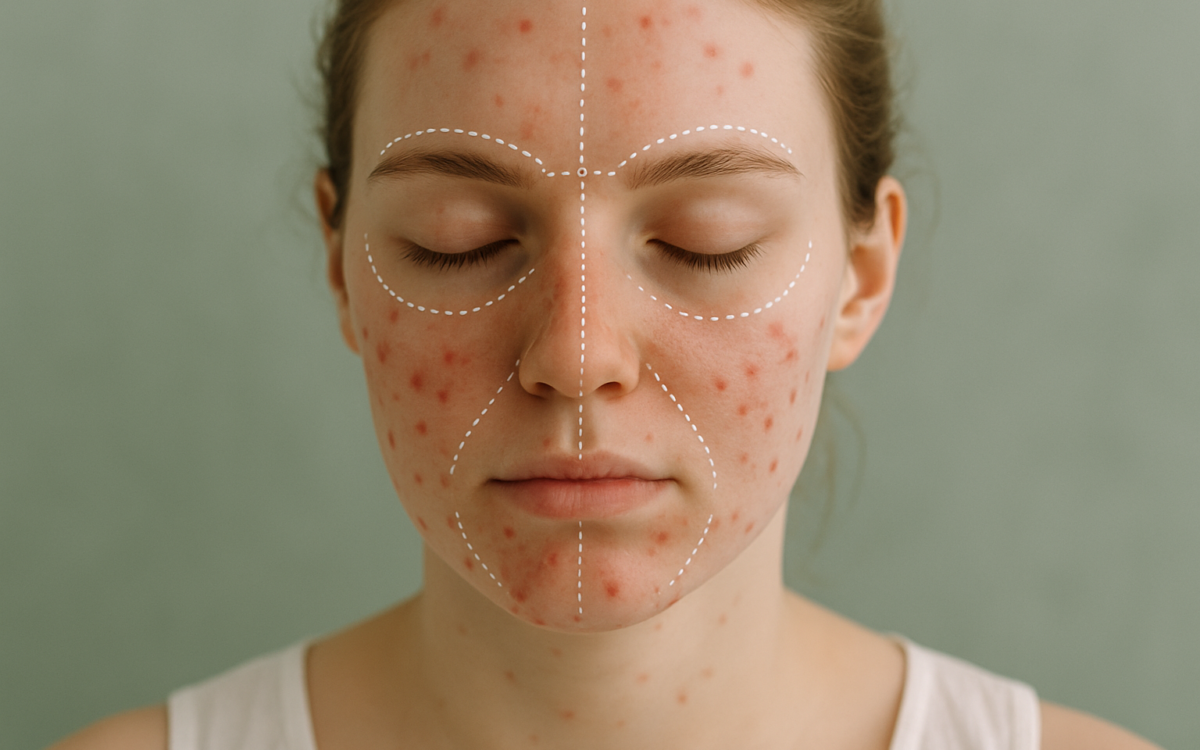
Many people struggle with acne at some point in their lives. While it’s often considered just a teenage problem, adults can also experience breakouts. Acne can be frustrating, not only because of its appearance but also due to its persistent nature. One interesting way to examine acne is through facial mapping, which may provide insights into what is happening beneath the skin.
What Is Acne Facial Mapping?
Facial mapping is a traditional practice rooted in ancient medicine. It suggests that different areas of the face correspond to specific organs or bodily systems. For instance, certain breakouts can indicate issues like hormonal imbalance or digestive problems. This concept has been gaining popularity as people look for holistic ways to understand their skin conditions.
Understanding Different Areas of the Face
Each area of the face can represent different health aspects. Here’s a breakdown of the face map:
- Forehead: Often associated with the digestive system and stress levels. Breakouts here may imply that you need to improve your gut health.
- Between the Brows: This area can indicate liver problems or may signal an unhealthy diet.
- Cheeks: Breakouts on the cheeks are often related to respiratory issues or allergies.
- Nose: Acne on the nose can suggest heart problems, particularly related to blood circulation.
- Chin and Jawline: These areas are often linked to hormonal fluctuations, particularly in women. Menstrual cycles can strongly influence acne in this region.
What Causes Acne in These Areas?
Understanding the potential causes of acne in specific areas can help you identify solutions. Here are some common factors:
Hormonal Changes
Hormonal fluctuations often affect the chin and jawline. For girls and women, this might coincide with their menstrual cycle, while for boys and men, testosterone spikes can also lead to breakouts.
Diet and Lifestyle
What you eat can influence your skin. Foods high in sugar and dairy have been linked to acne breakouts, particularly in the forehead and between the brows. Evaluating your diet for any problematic foods can be beneficial.
Stress and Sleep
Stress can lead to increased oil production in your skin. This is often reflected in areas like the forehead and nose. Ensuring you have good stress management techniques and getting adequate sleep can help maintain balanced skin.
The Connection Between Acne and Overall Health
Acne is not just a skin issue; it can signal underlying health problems. The areas of your face affected by acne may indicate specific health concerns. For instance, persistent breakouts in the same area can indicate a chronic issue that might need medical attention.
Why Facial Mapping Is Not a Substitute for Medical Guidance
While facial mapping offers interesting insights, it should not replace professional medical advice. Everyone’s skin is unique, and underlying issues can vary widely. If you notice persistent acne, it’s crucial to consult a healthcare provider for personalized guidance.
Tips for Managing Acne
Managing acne can be a challenging journey, but there are several general tips you can follow to help improve your skin:
- Keep Your Skin Clean: Wash your face twice daily with a gentle cleanser to remove excess oil and dirt.
- Stay Hydrated: Drinking plenty of water helps maintain skin health and overall hydration.
- Maintain a Balanced Diet: Focus on whole foods, including fruits, vegetables, lean proteins, and healthy fats, while limiting processed foods.
- Avoid Touching Your Face: This helps prevent bacteria from spreading and clogging your pores.
- Utilize Non-Comedogenic Products: Look for skincare and makeup products labeled as non-comedogenic, which means they won’t clog pores.
When to See a Doctor
If you experience severe acne, notice changes in your skin, or if your acne doesn’t respond to over-the-counter treatments, it might be time to consult a healthcare provider. They can offer treatments ranging from topical creams to dietary adjustments and prescription medications. Self-care is essential, but professional guidance ensures you tackle the root causes of your acne effectively.
Conclusion
Facial mapping offers a unique lens through which to view acne, allowing individuals to consider possible underlying health issues. While it’s an intriguing concept, it’s essential to remember that every person’s skin is different. If you’re struggling with acne, consider a holistic approach that includes healthy lifestyle changes and professional medical advice for optimal results.
