
Have you ever noticed areas on your scalp where hair seems to be thinning or falling out? You may have come across the term ‘dif hair,’ short for ‘difference hair.’ This term often refers to hair loss issues that can create noticeable patches or variations in hair density. Understanding dif hair can help you identify the underlying causes and find effective solutions.
What is Dif Hair?
Dif hair describes an uneven distribution of hair across the scalp. This condition can manifest as hair loss in patches or overall thinning. While dif hair can occur naturally as we age, it might also stem from various factors, including genetics, health issues, and environmental influences.
Causes of Dif Hair
Understanding the root causes of dif hair is vital for treatment and prevention. Here are some of the most common causes:
- Genetics: Just like many physical traits, hair health can be inherited. If your family has a history of thinning hair or baldness, you may be predisposed to similar issues.
- Hormonal Changes: Hormonal fluctuations, such as those experienced during puberty, pregnancy, or menopause, can lead to hair thinning. Conditions like polycystic ovary syndrome (PCOS) also influence hair health.
- Medical Conditions: Several medical conditions, including thyroid disorders, autoimmune diseases, and scalp infections, can result in dif hair. For example, conditions like alopecia areata specifically cause hair to fall out in patches.
- Stress: Physical and emotional stress can lead to a type of hair loss called telogen effluvium, where hair follicles enter a resting phase, causing shedding.
- Poor Nutrition: A lack of essential vitamins and minerals, such as iron, zinc, and proteins, can impact hair health. A balanced diet is crucial for maintaining vibrant hair.
Symptoms to Watch For
The symptoms of dif hair can vary, but they often include:
- Notable thinning in specific areas of the scalp
- Patches of baldness
- Changes in hair texture or growth
- Increased hair shedding or loss
Diagnosis of Dif Hair
If you’re experiencing symptoms of dif hair, identifying the underlying cause is essential for effective treatment. Doctors often follow these steps:
- Medical History: Your healthcare provider will ask about your family history of hair loss, any recent stressors, dietary habits, and overall health.
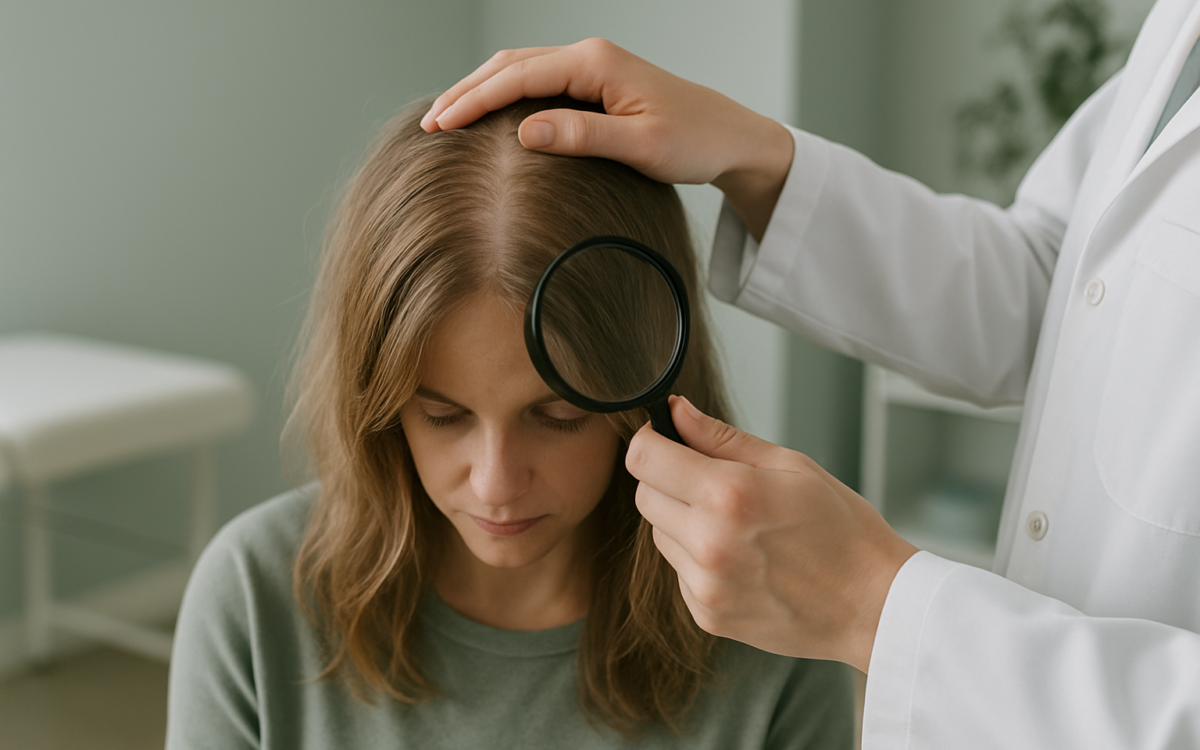
- Physical Examination: A thorough examination of your scalp and hair may help your doctor assess your hair condition and identify any visible issues.
- Blood Tests: Tests for nutritional deficiencies, hormone levels, and autoimmune markers can provide insights into your condition.
Effective Treatments for Dif Hair
The treatment for dif hair will largely depend on its underlying cause. Here are several effective options:
- Medications: Topical treatments like minoxidil may help stimulate hair growth. For hormonal imbalances, medications to regulate hormones may be prescribed.
- Dietary Changes: Ensure you’re consuming a balanced diet with adequate vitamins and minerals. Foods rich in omega-3 fatty acids, dark leafy greens, and proteins can promote healthier hair.
- Stress Management: Stress reduction techniques such as yoga, meditation, and deep breathing exercises can help alleviate stress-related hair loss.
- Hair Care Products: Using gentle, nourishing hair care products can help improve the overall health of your hair. Look for shampoos and conditioners free from harsh chemicals.
- Scalp Treatments: Treatments that promote scalp health, including regular massages and essential oils, may improve hair growth.
Preventative Measures
Taking care of your hair can prevent dif hair from becoming a concern in the first place. Here are some tips to help maintain healthy hair:
- Maintain a Healthy Diet: Consume a variety of foods rich in vitamins, proteins, and healthy fats.
- Avoid Chemical Treatments: Limit the use of harsh chemicals, dyes, and heat styling tools that can damage hair.
- Stay Hydrated: Drinking enough water is vital for overall health, including hair health.
- Protect Your Scalp: Wear hats or use sunscreen for your scalp when exposed to the sun for extended periods.
When to See a Doctor
If you notice significant changes in your hair, like drastic thinning or patches of baldness, it’s essential to consult a healthcare provider. Seek professional help if you’re experiencing:
- Persistent hair loss for several months
- Scalp irritation or unusual changes in your scalp appearance
- Hair loss accompanied by other concerning symptoms, like fatigue or weight changes
Conclusion
Dif hair can be a concerning issue, but understanding its causes can help you take proactive steps toward prevention and treatment. From genetics to lifestyle factors, many elements contribute to the health of your hair. By focusing on nutrition, stress management, and proper care, you can work towards healthier, more resilient locks. If you’re worried about your hair, don’t hesitate to consult a healthcare professional for personalized guidance.
