
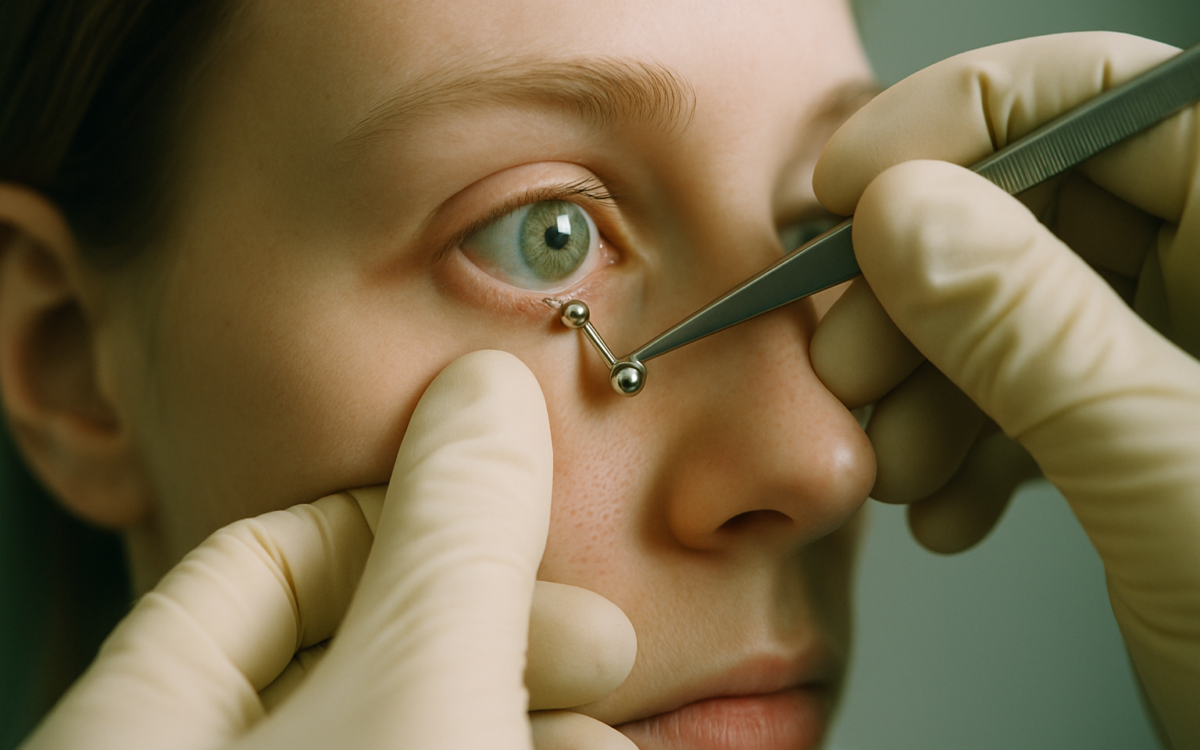
As body modification trends continue to evolve, one unique and daring form of self-expression has emerged: eyeball piercing. This bold choice involves inserting jewelry directly into the eyeball, attracting the attention of thrill-seekers and body art enthusiasts alike. However, as intriguing as this practice may be, it’s crucial to weigh the aesthetic appeal against the potential health risks involved.
What Is Eyeball Piercing?
Eyeball piercing, often referred to as eye jewelry or eyeball jewelry, is a procedure where a small piece of jewelry is placed into the eye, typically the sclera (the white part of the eye). The process usually involves a piercer using a specialized needle to create a hole in the sclera and inserting a decorative implant.
While this trend has gained some popularity on social media, it is important to understand that it’s a complex and risky procedure.
Understanding the Risks
Eyeball piercing carries significant risks. While many individuals may choose to undergo this procedure for aesthetic reasons, the potential complications can be severe. Some of the most common risks associated with eyeball piercing include:
- Infection: Piercing the eyeball can introduce harmful bacteria, leading to infections that could jeopardize vision.
- Vision Problems: Injury to the eye can cause various vision problems, including blurred vision, light sensitivity, or even blindness in severe cases.
- Corneal Damage: Improper technique can result in scratches or other damages to the cornea, the clear front part of the eye.
- Inflammation: The body may react negatively to the foreign object, causing significant inflammation or scarring.
According to the National Institutes of Health (NIH), any form of body piercing carries risk factors, but eyeball piercing poses unique dangers that should not be taken lightly.
Aftercare: A Key Component
Proper aftercare is essential for anyone considering or having undergone eyeball piercing. Caring for the piercing area post-procedure can drastically reduce the chances of complications. Some tips for aftercare include:
- Follow Professional Instructions: Your piercer should provide specific aftercare instructions tailored to your needs. Always follow their recommendations.
- Keep the Area Clean: Gently cleanse the area with a sterile saline solution to help prevent infection.
- Avoid Touching: Refrain from touching or rubbing your eyes, as this can introduce bacteria.
- Regular Check-Ups: Schedule follow-up visits with your healthcare provider to monitor the piercing’s healing process.
Proper aftercare can help ensure the piercing heals correctly and minimize complications.
The Role of Professionals
Choosing a qualified and experienced professional for eyeball piercing is vital. Not all body piercers are trained in this particular specialty, so it’s essential to research and find someone who has a track record of safety and expertise in ocular procedures. Ask for credentials, training, and examples of their previous work.
You can also consult your ophthalmologist or another eye care specialist before undergoing the procedure. They can offer insights regarding your eye health and help you assess whether the risks outweigh the benefits.
Legal and Ethical Considerations
In many regions, eyeball piercing is not yet regulated, leading to a lack of oversight in the industry. This lack of regulation raises ethical concerns about the safety of the procedure and the skill of those performing it. The World Health Organization (WHO) has urged individuals to consider the implications of body modifications, emphasizing informed consent and understanding of the risks involved.
When considering eyeball piercing, it’s essential to stay educated not just about the procedure itself, but also about the legal rights you have as a consumer. If you are considering such a piercing, ensure that the place you choose adheres to hygiene and safety standards.
Personal Experiences and Public Perception
Eyeball piercing has sparked diverse opinions and experiences among those who have chosen this body modification. Some enthusiasts find it exhilarating and fulfilling an expressive aesthetic vision, while others caution against its dangers based on personal experiences or second-hand accounts. Sharing stories through social media platforms can harbor a sense of community, but one must remember to separate personal anecdotes from factual reports. Common misconceptions may arise about texture, pain, and healing time, so it’s wise to gather information from credible sources.
As body art becomes more mainstream, it’s important to cultivate an open dialogue that incorporates personal experiences while prioritizing safety. Every individual has unique body characteristics, and what may work for one person might not work for another.
When to See a Doctor
If you experience any adverse effects following an eyeball piercing, such as increased redness, swelling, pain, changes in vision, or discharge, it’s essential to consult a healthcare professional immediately. Early intervention can prevent more severe complications and ensure proper treatment.
Conclusion
Eyeball piercing presents a unique opportunity for self-expression through body modification, but it is not without its significant risks. Understanding these risks, proper aftercare, and the importance of professional guidance are all critical for anyone considering this piercing. By staying informed and making educated decisions, individuals can navigate the fascinating yet complex world of body art safely. Remember, your vision is irreplaceable—always prioritize your eye health.
