
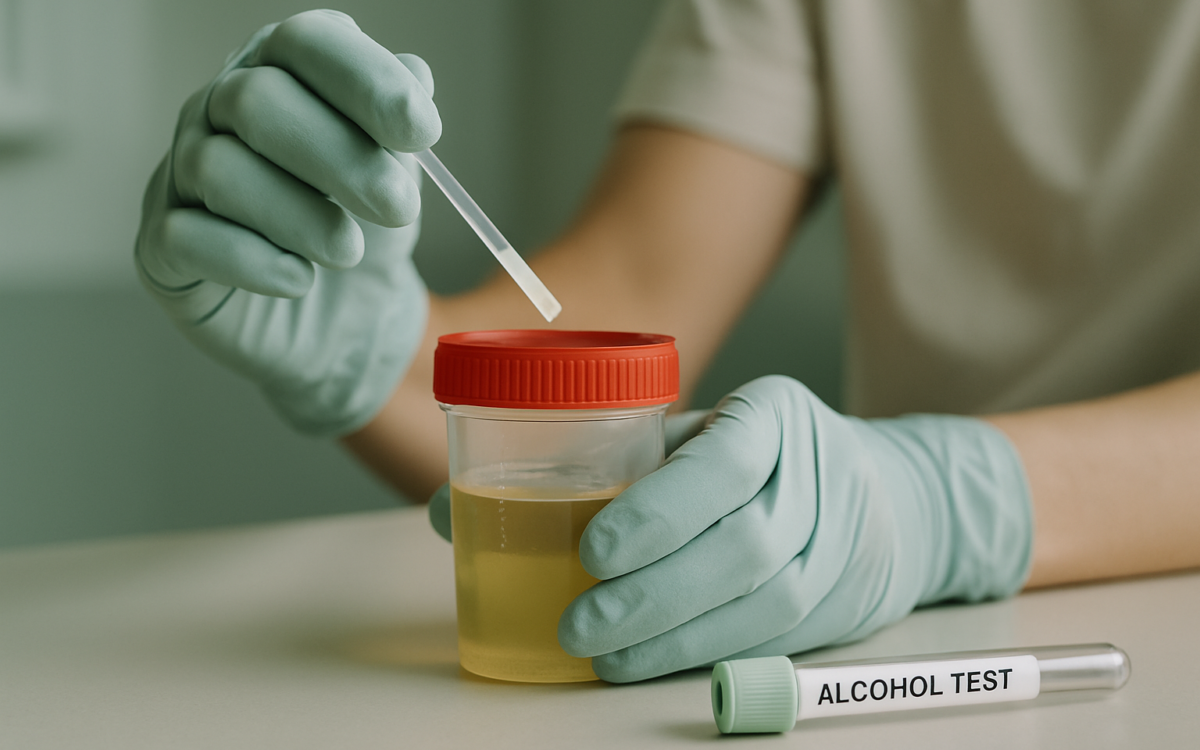
For many people, the idea of an alcohol test can be intimidating. Whether required for work, legal purposes, or personal reasons, understanding how urine samples for alcohol testing work can help ease some of that anxiety. This article will guide you through the process, accuracy, advantages, and limitations of urine alcohol testing.
What is a urine sample for alcohol testing?
A urine sample for alcohol testing is a method used to measure the presence of alcohol in a person’s system. When you drink alcohol, it is absorbed into your bloodstream and metabolized by your liver. Eventually, a portion of the alcohol is excreted in urine, which allows it to be tested for alcohol content.
Why is urine testing used?
Urine tests are commonly used for several reasons:
- Employment screening: Companies may require alcohol tests as a part of their hiring process or for regular employee evaluations.
- Legal situations: Courts may order alcohol tests in cases of DUIs or other legal matters related to substance use.
- Health monitoring: Treatment programs for addiction may use urine tests to ensure compliance with sobriety.
Urine tests are popular because they are non-invasive, easy to administer, and relatively inexpensive compared to other methods.
How is a urine test conducted?
The process of conducting a urine alcohol test is straightforward. Here’s a typical procedure:
- Preparation: You may be instructed not to eat or drink anything for a certain period before the test to ensure accuracy.
- Collection: You’ll be asked to provide a urine sample in a private setting. The collection container is usually sealed to maintain integrity.
- Testing: The sample is then sent to a laboratory or tested onsite. Testing methods may include immunoassays for initial screenings and gas chromatography or mass spectrometry for confirmation.
Testing is generally quick and can yield results in a matter of hours, depending on the testing method and location.
What do the results mean?
Understanding the results of a urine alcohol test is essential. Typically, results will indicate either:
- Positive test: This means alcohol was detected in the urine, but it does not specify how much was consumed or when.
- Negative test: No alcohol was found in the urine sample, suggesting that the individual has not consumed alcohol recently.
It’s important to note that urine tests can detect alcohol for a longer period than some other tests. Generally, alcohol can be detected in urine for up to 48 hours after consumption, depending on factors like the amount consumed, metabolism, and overall health.
Advantages and limitations of urine testing
Like any testing method, urine testing has both benefits and drawbacks. Here are some key points:
Advantages:
- Non-invasive: Providing a urine sample does not require any invasive procedures.
- Broad availability: Many facilities can perform urine tests quickly and affordably.
- Long detection window: Urine tests can identify alcohol consumption over the previous few days.
Limitations:
- Accuracy: Urine tests may not provide the most accurate picture of blood alcohol levels at a given time.
- False positives: Some medications or health conditions may interfere with test results.
- Not immediate: Unlike breath tests, urine tests may not provide immediate results.
Due to these limitations, it is often recommended to confirm urine test results with more accurate testing methods, such as blood alcohol tests if needed.
Comparing urine tests to other alcohol testing methods
In addition to urine tests, there are other ways to test for alcohol in a person’s system. These include:
- Breath tests: Breathalyzers measure the alcohol in a person’s breath. These tests are common for law enforcement during traffic stops.
- Blood tests: Blood alcohol concentration (BAC) is measured directly from a blood sample, providing an accurate assessment of alcohol content at the time of testing.
- Saliva tests: Some devices can detect alcohol in saliva, although these are less common.
Each method has its own strengths and weaknesses. For example, blood tests are the most accurate but are also invasive and more costly. Urine tests strike a balance between convenience and cost.
Conclusion
A urine sample for alcohol testing is an effective way to determine whether alcohol has been consumed. Understanding how urine tests work, their advantages and limitations, and how they compare to other testing methods can empower you to make informed decisions. If you have concerns about alcohol consumption or your health, don’t hesitate to consult with a healthcare professional.
When to see a doctor
If you have questions about alcohol testing or its implications for your health, it may be helpful to speak with a healthcare provider. They can offer personalized advice and information based on your circumstances.(source)(source)
