
Fertilization is a remarkable process that marks the beginning of new life. But where does this process actually occur in the human body? Understanding where fertilization takes place can help demystify reproductive health and provide insight into the journey that leads to pregnancy. Let’s take a closer look at this fascinating topic.
What is fertilization?
Fertilization is the union of a sperm cell from a male and an egg cell from a female. This event leads to the formation of a zygote, which is the very first stage of a potential new life. Understanding when and how fertilization happens is crucial for those looking to conceive, as well as for anyone interested in reproductive health.
Where does fertilization occur?
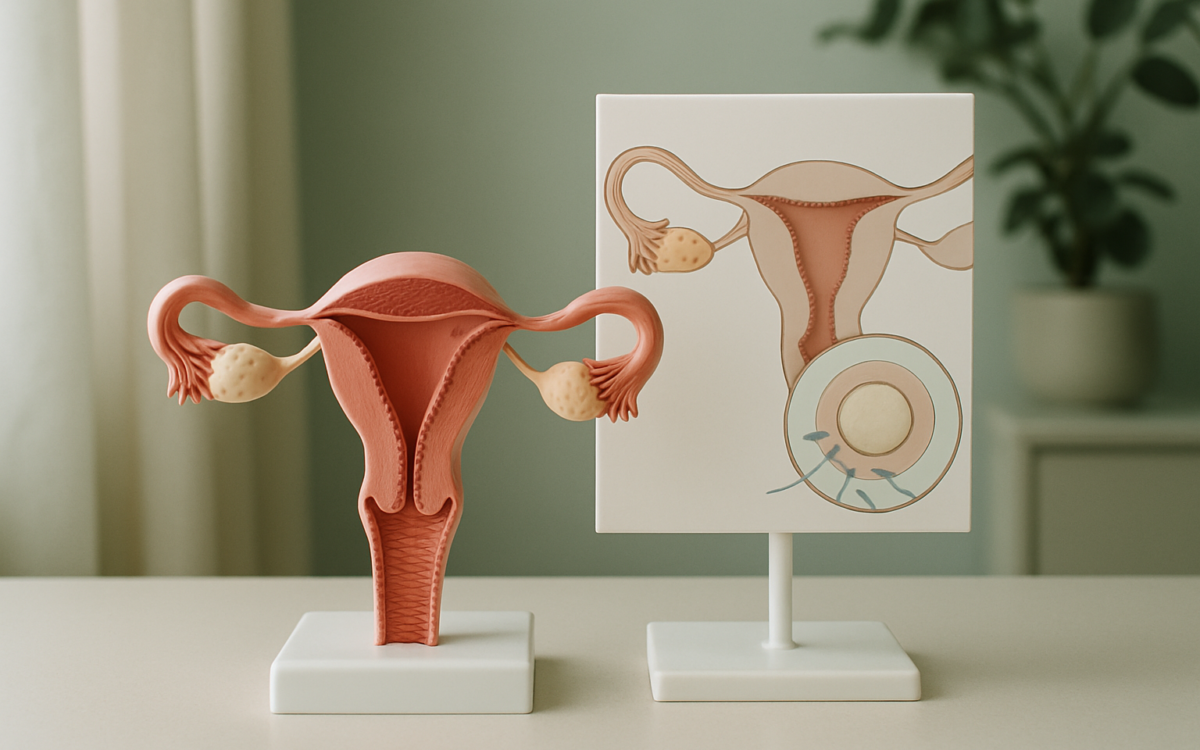
The primary site of fertilization is within the female reproductive system, specifically in the fallopian tubes. After ovulation, when an egg is released from the ovary, it travels into one of the fallopian tubes. This is where sperm, which are deposited in the female reproductive tract during intercourse, can meet the egg.
The role of the fallopian tubes
The fallopian tubes are two thin tubes that connect the ovaries to the uterus. They play a critical role in reproduction:
- **Transport:** After ovulation, the egg is captured by the fimbriae (small finger-like projections) at the end of the fallopian tube and slowly moves along the tube.
- **Fertilization:** If sperm are present in the fallopian tube during this time, fertilization can occur within 24 hours of ovulation. Sperm can survive in the female reproductive tract for up to five days, allowing for a window of opportunity for fertilization to happen.
- **Nourishment:** The fallopian tubes also provide the necessary environment for the fertilized egg to develop in the early stages before moving to the uterus.
What happens after fertilization?
Once fertilization occurs, the zygote, now formed, begins to divide and develop as it travels down the fallopian tube toward the uterus. This journey takes about 3 to 5 days. As the zygote divides, it becomes a blastocyst, which is essential for implantation into the uterine lining.
Implantation
When the blastocyst reaches the uterus, it must implant into the uterine wall for pregnancy to commence. This process is called implantation and typically occurs about six days after fertilization. Successful implantation leads to pregnancy, as the body starts to prepare for the growth and development of the embryo.
Factors that affect fertilization
Several factors can influence whether fertilization occurs:
- **Timing:** Understanding the menstrual cycle and when ovulation occurs is key. Couples trying to conceive often benefit from tracking these cycles.
- **Sperm health:** The motility, morphology, and overall health of sperm greatly influence fertilization success.
- **Egg quality:** Age and overall reproductive health can affect egg quality. Women’s fertility naturally decreases as they age, affecting the chances of successful fertilization.
International considerations for fertility
In many countries, access to fertility treatments can vary greatly. For those exploring treatment options, resources such as acibademinternational.com provide valuable insights into international fertility treatments, making it easier to find care that suits individual needs.
Understanding fertility health
Fertility health encompasses more than just the physical aspects of conception. Emotional and psychological factors play a significant role as well. Couples experiencing challenges with fertility are encouraged to seek support from healthcare professionals who can provide guidance and treatment options tailored to their circumstances.
When to see a doctor
If you have been trying to conceive for over a year without success (or six months if you are over 35), it may be time to consult a healthcare provider. Additionally, if you experience irregular menstrual cycles, pelvic pain, or other concerning symptoms, it’s important to seek medical advice.
Conclusion
Understanding where fertilization occurs helps demystify the journey to conception. By learning about the essential roles of the fallopian tubes, the timing of ovulation, and the factors affecting fertility, individuals can better navigate their reproductive health. When in doubt, or if challenges arise, don’t hesitate to reach out to a healthcare professional for guidance and support.
