
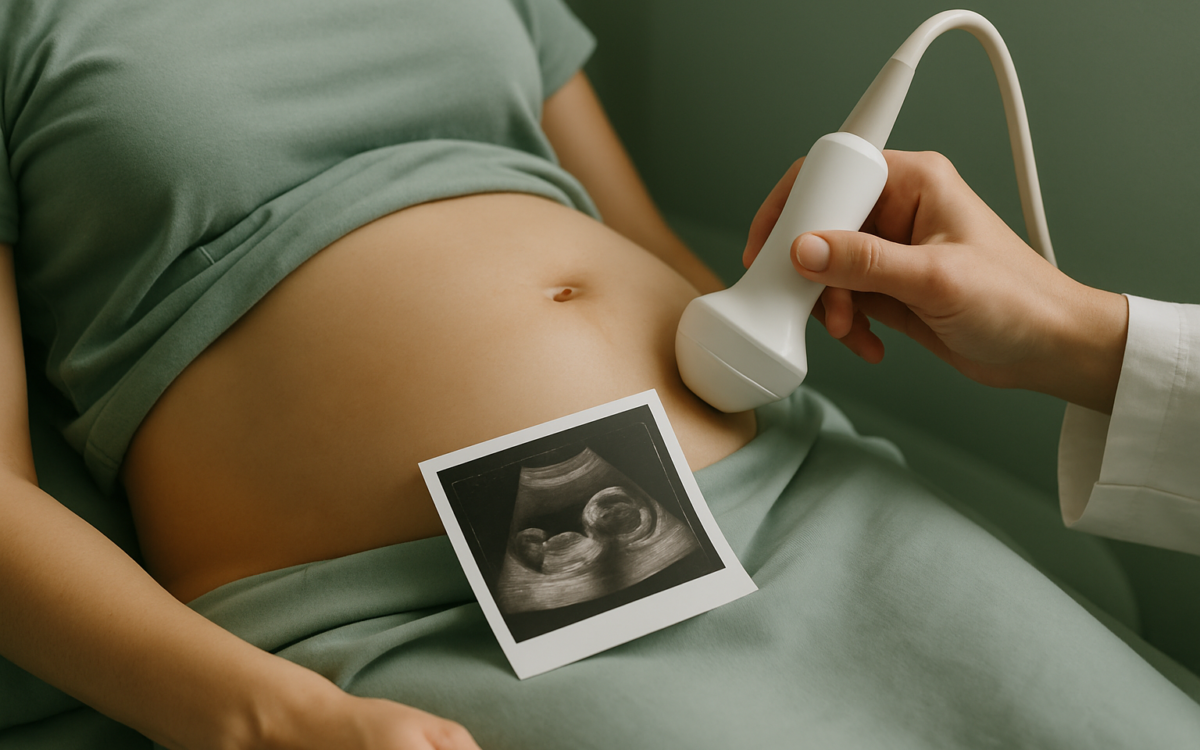
Have you ever heard of the nub theory? This concept, which relates to human anatomy and embryonic development, has gained attention over the years, especially among expectant parents and those interested in genetics. The nub theory offers valuable insights into the early stages of human growth, shedding light on how our bodies develop and differentiate. In this article, we will explore what nub theory is all about, its implications for understanding sex differentiation, and when you might want to consult a healthcare professional regarding related concerns.
What is Nub Theory?
The nub theory, at its core, is based on the observation of the early stages of fetal development, particularly the formation of the genital tubercle. This tubercle, also known as the ‘nub,’ is a small projection that appears in embryos around the eighth week of gestation. It is from this nub that the external genitalia will develop, leading to the physical characteristics that differentiate male from female. The theory suggests that the angle and positioning of this nub can indicate the biological sex of the fetus.
How Does Nub Theory Work?
As pregnancy progresses, ultrasound technology has enabled the visualization of the nub in the developing fetus. According to nub theory, if the nub is angled upward, it is a sign that the fetus is likely male, while a downward angle may indicate a female fetus. This method of prediction relies on the structure of the genital tubercle during the critical period of development. However, it is essential to remember that nub theory is not foolproof; various factors can influence the accuracy of predictions.
The Science Behind the Nub Theory
The nub theory is supported by embryological science and research into human genetics. Studies have shown that the genital tubercle plays a significant role in sexual differentiation during fetal development. According to the National Institutes of Health (NIH), factors such as chromosomes and hormones interact during this stage to guide the formation of male or female characteristics.
In optimal conditions, the presence of the Y chromosome typically leads to increased testosterone production, prompting the nub to develop into a penis, whereas the absence of this hormone causes the formation of the clitoris. Notably, anomalies can occur, leading to conditions such as ambiguous genitalia, which underscore the complexity of sexual differentiation in humans.
Limitations of the Nub Theory
While the nub theory offers a fascinating look into fetal development, it is important to recognize its limitations. Factors such as the timing of the ultrasound, the experience of the technician interpreting the images, and the individual characteristics of each fetus can all affect the accuracy of sex predictions based on nub theory. According to the World Health Organization (WHO), it is crucial to approach such predictions with caution and to understand that the interpretations made from ultrasound images are not always definitive.
Understanding Fetal Sex Determination
Beyond nub theory, fetal sex determination encompasses various biological and genetic factors. Genetic testing methods, such as amniocentesis or chorionic villus sampling (CVS), can provide conclusive information about a fetus’s sex with high accuracy. These invasive procedures, however, are typically reserved for specific medical indications, such as the risk of genetic disorders.
Non-invasive prenatal testing (NIPT) is another modern approach that analyzes small fragments of fetal DNA circulating in a pregnant person’s blood. Those interested in learning their baby’s sex can opt for these tests, which carry lower risks compared to invasive methods. However, consultations with health professionals are advisable to understand the options and implications fully.
When to See a Doctor
While the nub theory might generate interests for many expectant parents, it’s essential to consult a healthcare professional for any health concerns related to pregnancy. If you are experiencing unusual symptoms, such as severe pain, heavy bleeding, or signs of infection, seek medical attention promptly. Furthermore, discussing your questions about fetal development or any testing options with your doctor can often provide clarity and reassurance.
Conclusion
The nub theory offers a unique insight into the early stages of human development, illustrating the fascinating process of how our bodies differentiate sexually. While it can provide excitement and anticipation for expectant parents, it is vital to recognize its limitations and not rely solely on this method for determining a baby’s sex. As we further explore the intricate connections between genetics and development, it remains crucial to access accurate information and consult healthcare professionals when needed.
