
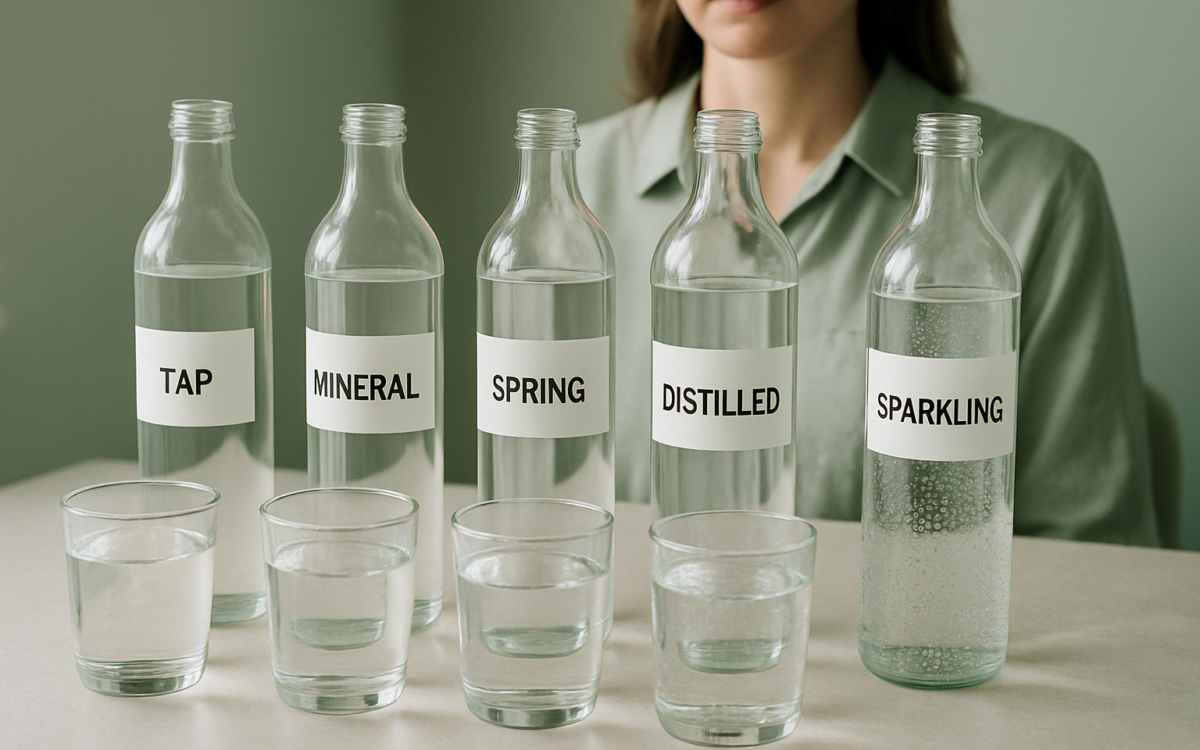
Water is essential for life, yet not all water is created equal. From the crisp taste of spring water to the purifying properties of distilled water, the various types of water we drink offer different benefits. Understanding these differences can help you make informed choices about your hydration needs. In this article, we will explore the most common types of water, their sources, and their health implications.
1. Tap Water
Tap water is one of the most widely consumed types of water worldwide. It is sourced from lakes, rivers, and groundwater, then treated and purified to meet safety standards set by health authorities. In the United States, the Environmental Protection Agency (EPA) regulates tap water to ensure it is safe for human consumption.
Most municipal water systems add chlorine or chloramine to kill bacteria and other contaminants. Additionally, tap water often contains minerals such as calcium and magnesium, which can have health benefits as well. Despite its advantages, the quality of tap water can vary depending on location. It’s essential to know your local water quality, which can be obtained through annual Consumer Confidence Reports provided by water authorities.
2. Bottled Water
Bottled water has become a popular choice for those on the go. It is typically sourced from springs or wells, and its purity is often guaranteed by various brands. There are several types of bottled water:
- Spring Water: Harvested from natural springs, this type contains various minerals that can enhance flavor.
- Purified Water: This water has undergone distillation or filtration to remove impurities and contaminants.
- Mineral Water: Sourced from mineral springs, this water naturally contains dissolved minerals beneficial for health.
- Sparkling Water: Carbonated, which makes it fizzy, it may also be mineral or spring water.
Bottled water is convenient, but it can be expensive and produces plastic waste. If you choose bottled water, look for brands that use eco-friendly packaging to help reduce environmental impact.
3. Distilled Water
Distilled water is created through a process of distillation, which involves boiling water to create steam and then cooling that steam back into liquid form. This process removes impurities, minerals, and contaminants. As a result, distilled water is free of any dissolved minerals, leading some people to question if it’s the best choice for drinking.
While distilled water is safe to drink, it lacks the minerals that are beneficial for health. Some argue that regularly consuming only distilled water may lead to mineral deficiencies over time. However, distilled water has its benefits. It’s commonly used in situations where pure water is necessary, such as in laboratory settings, certain medical devices, or when making infant formulas.
4. Alkaline Water
Alkaline water has gained popularity due to claims that it helps neutralize acid in the body and may offer various health benefits. This water usually has a higher pH level (generally above 7) than regular water, which is typically neutral at 7. Alkaline water can be naturally occurring or produced artificially through ionization or adding alkaline minerals.
While some advocates claim that alkaline water can improve hydration and detoxification, more research is necessary to substantiate these claims. The body has a natural ability to regulate pH levels, and for most people, drinking regular tap or spring water is sufficient to maintain this balance. Always consult with a healthcare professional before making any significant changes to your water consumption for health reasons.
5. Spring Water
Spring water is sourced from natural springs and is celebrated for its refreshing taste and natural mineral content. It is often collected and bottled at the spring site and must meet specific criteria set by the bottled water industry.
Spring water is typically rich in minerals like calcium and potassium, which can benefit health. Whether still or sparkling, it offers a flavorful alternative to regular tap water. Many consumers prefer spring water for its natural taste and quality.
6. Herbal and Flavored Waters
In recent years, herbal and flavored waters have emerged as trendy alternatives. These drinks are often infused with herbs, fruits, or spices to enhance flavor without adding sugar or calories. Examples include ginger-infused water, lemon-mint water, and cucumber-lime water.
While these flavored waters can make hydration more enjoyable, it’s essential to read labels to avoid added sugars or preservatives often found in commercially packaged versions. Creating your own flavored water at home allows you to control what you consume without unnecessary additives.
When to See a Doctor
If you experience ongoing dehydration, persistent stomach issues, or unusual symptoms related to water consumption, it may be time to consult a healthcare professional. They can provide personalized advice based on your health history and circumstances.
In conclusion, understanding the different types of water can help you choose what’s best for your hydration needs. Whether opting for tap water, bottled water, distilled water, or an exciting herbal infusion, focusing on quality and staying adequately hydrated is crucial for overall health. Each type of water can play a distinct role in your daily hydration routine, so explore the options available to you!
