
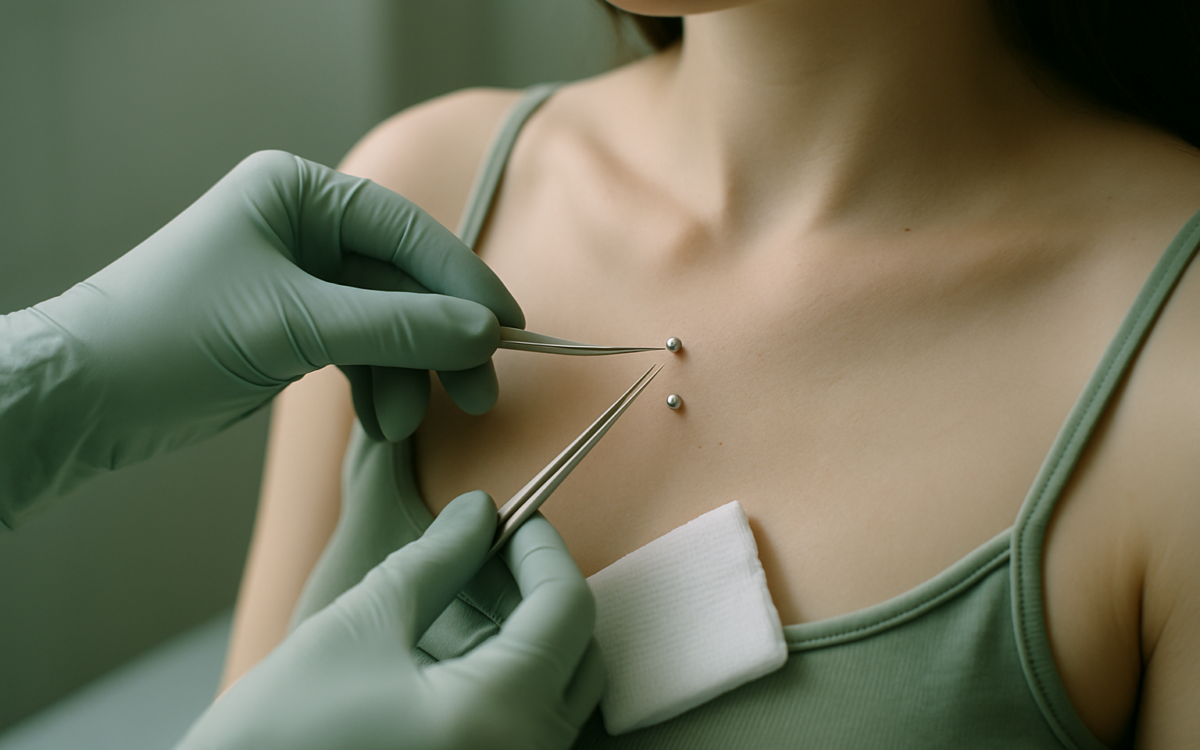
Piercing dermal implants are an exciting way to express individuality through body art. Unlike traditional piercings that go through existing holes in the skin, dermal implants involve placing a small object beneath the skin’s surface, resulting in a stunning and unique look. While this form of body art can be visually appealing, it is essential to understand the procedure, potential risks, and proper aftercare to ensure a safe experience.
What are dermal implants?
Dermal implants are small decorative items inserted into the skin, becoming a part of the body’s tissue. Generally made from biocompatible materials such as titanium or surgical steel, these implants often feature a flat base that anchors them beneath the skin, leaving only the decorative top visible.
The procedure: What to expect
The procedure to get a dermal implant typically involves a professional piercer or a dermatologist. It begins with the artist marking the desired location on your skin and cleaning the area to reduce the risk of infection. Local anesthesia may be used to numb the area before creating a small pocket under the skin using a special tool. The implant is then inserted carefully, and the skin is closed up around it.
Why choose dermal implants?
People choose dermal implants for various reasons, including:
- Unique aesthetic appeal: Dermal implants offer a distinctive look not possible with regular piercings.
- Customization: A wide range of shapes, colors, and sizes allows for personal expression.
- Minimal visibility: Since dermal implants are placed beneath the skin, they often look more subtle compared to traditional body jewelry.
How to care for your dermal implants
Proper aftercare is crucial to ensure healing and prevent infection after getting dermal implants. Here are key tips for care:
- Keep it clean: Wash the area gently with mild soap and water, avoiding harsh chemicals.
- Avoid picking or touching: Resist the temptation to touch the area as it may introduce bacteria and lead to an infection.
- Use saline solution: Applying a mixture of salt and sterile water can help keep the area clean and free from infection.
- Watch for signs of infection: Redness, swelling, or pus should be monitored closely. If any of these symptoms develop, consult a healthcare professional.
Potential risks of dermal implants
While dermal implants are generally safe, there are some risks associated with the procedure. These may include:
- Infection: As with any skin procedure, there is a risk of infection at the implant site.
- Rejection: The body may occasionally reject the implant, causing it to become loose or fall out.
- Scarring: Scarring may occur around the implant area, especially if proper care isn’t followed.
- Migration: The implant may shift from its original position, which can alter the appearance.
When to see a doctor
If you notice any signs of infection like persistent redness, swelling, or pus, or if you experience unusual pain along with warmth at the implant site, it’s essential to seek medical attention promptly. Consulting a healthcare professional can help manage any complications early on, ensuring your dermal implants remain a beautiful addition to your body art.
Final thoughts
Piercing dermal implants provide a unique way to enhance your personal expression and style. As with any body art, understanding the procedure, caring for the implants, and being aware of the risks are crucial to a successful experience. Always choose a certified professional and prioritize your health and safety when considering this artistic choice. Happy decorating!
