
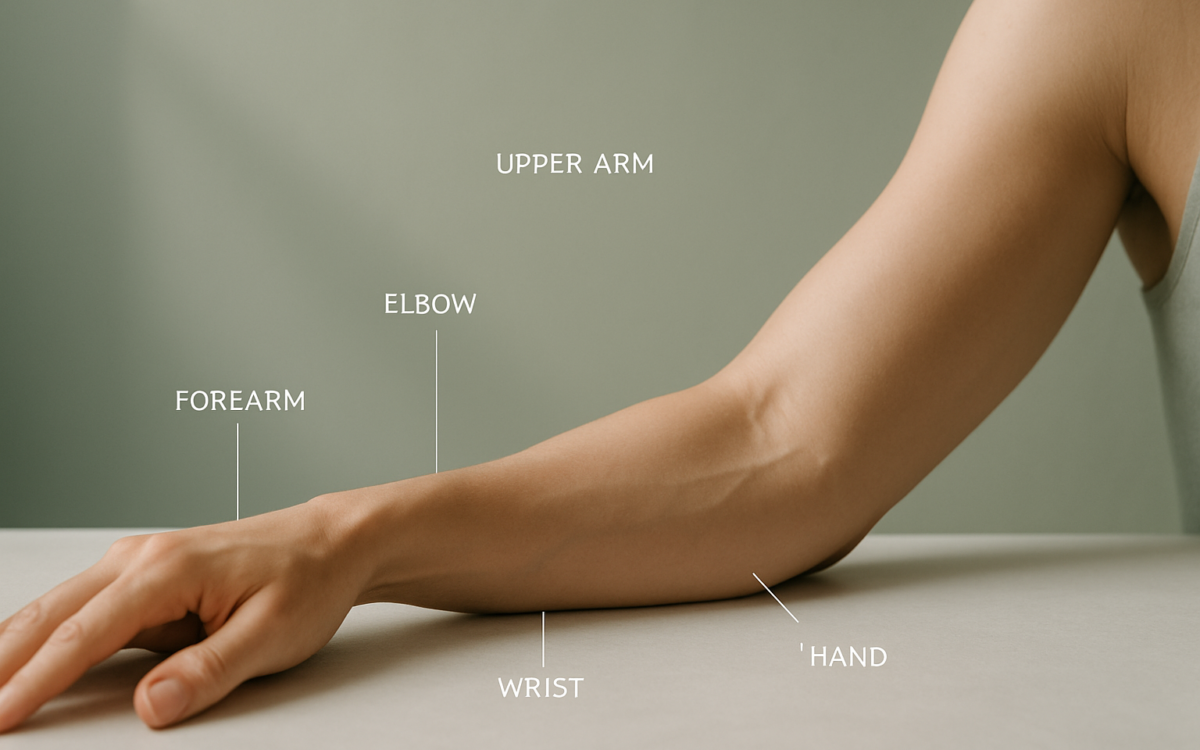
Our arms play a vital role in our daily activities, from the simple act of waving to performing intricate tasks like playing a musical instrument. Understanding the anatomy of our arms helps us appreciate their functions and recognize when something might be wrong. In this article, we will explore the various parts of the arm, their roles, and how they work together to enable movement and strength.
The Basic Anatomy of the Arm
The human arm consists of several key parts, each contributing to its overall function. The major sections include:
- Upper Arm: This portion is located between the shoulder and the elbow. It contains the humerus bone and is equipped with muscles that allow for actions like lifting and pushing.
- Forearm: This section runs from the elbow to the wrist and includes two important bones: the radius and the ulna. The forearm is crucial for rotating the wrist and maintaining grip strength.
- Hand: The hand, made up of numerous small bones (metacarpals and phalanges), enables fine motor skills and intricate movements. The hand also contains ligaments and tendons that contribute to grasping and manipulation.
Muscles of the Arm
The arm’s muscles can be divided into two main groups: the muscles in the upper arm and the forearm muscles.
Upper Arm Muscles
Key muscles include:
- Biceps Brachii: Known for its role in flexing the elbow and rotating the forearm.
- Triceps Brachii: Responsible for extending the elbow, allowing us to push objects away.
Forearm Muscles
Forearm muscles assist primarily in hand and wrist movement, including:
- Flexors: Located on the anterior side, help flex the wrist and fingers.
- Extensors: Found on the posterior side, these are responsible for extending the wrist and fingers.
The Joints of the Arm
The arm features pivotal joints that provide movement:
- Shoulder Joint: A ball-and-socket joint that allows for a wide range of motion, including lifting, rotating, and swinging.
- Elbow Joint: A hinge joint that primarily enables bending and straightening of the arm.
- Wrist Joint: A complex joint that provides flexibility and allows for various positions of the hand.
Common Issues and Injuries
Due to the nature of our daily activities, certain arm problems are common. These can include:
- Tendonitis: Inflammation of the tendons, often due to repetitive movements.
- Fractures: Breaks in the arm bones can occur through falls or sports injuries.
- Carpal Tunnel Syndrome: Compression of the median nerve in the wrist leading to pain and numbness.
Understanding arm anatomy can help you recognize early signs of these issues. For a comprehensive perspective on treatment options, including international treatment options, consider services offered by acibademinternational.com, which can provide insights on advanced medical care available around the world.
Maintaining Arm Health
Taking care of your arms is crucial. Here are a few tips to keep them healthy:
- Exercise: Regular strength training can enhance muscle tone and support joint health.
- Stretch: Incorporating stretching into your routine increases flexibility and reduces the likelihood of injuries.
- Warm-Up: Always warm up before activities to prepare your muscles and joints for exertion.
When to See a Doctor
If you experience persistent pain, swelling, or mobility issues in your arms, it’s time to consult a healthcare professional. They can provide a proper diagnosis and treatment options tailored to your specific needs.
Conclusion
Your arms are complex structures that play a vital role in daily life. By understanding their parts and functions, you can better appreciate their importance and maintain their health. Remember, consulting with a healthcare provider is crucial for any concerns regarding arm health.
