
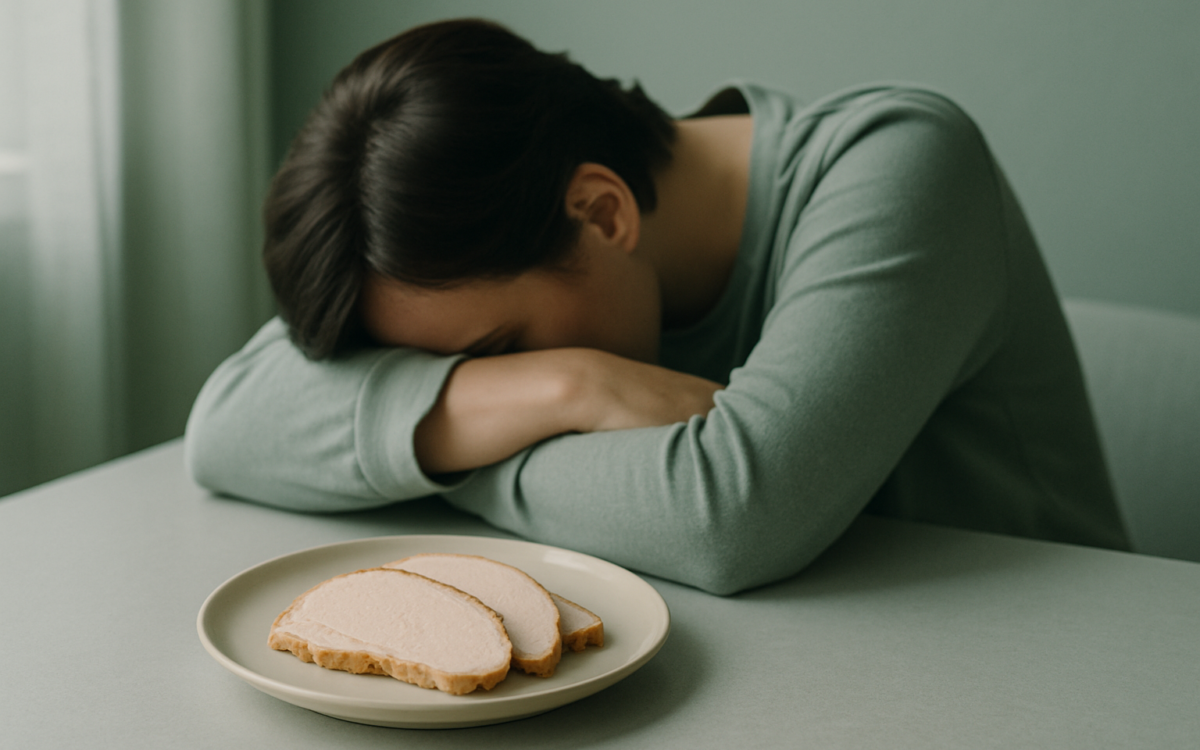
Have you ever felt an overwhelming urge to take a nap after enjoying a hearty turkey dinner? You’re not alone! Many people report feeling drowsy after eating turkey, especially during holidays like Thanksgiving. This phenomenon has sparked curiosity and led to various explanations. In this article, we’ll explore the science behind why turkey can make you sleepy, shedding light on the roles of tryptophan, serotonin, and meal size.
The Role of Tryptophan
One of the most commonly cited reasons for the sleepiness associated with turkey consumption is the presence of an amino acid called tryptophan. Tryptophan is essential for producing serotonin, a neurotransmitter that helps regulate mood and sleep.
When you eat foods rich in tryptophan, your body can convert it to serotonin and melatonin. Melatonin is a hormone known for controlling sleep-wake cycles. While turkey isn’t the only source of tryptophan (you can also find it in chicken, cheese, and nuts), it’s often the meal centerpiece during large gatherings, leading to the perception of turkey as the primary cause of drowsiness.
How Much Tryptophan is in Turkey?
The amount of tryptophan in turkey is relatively modest compared to other protein sources. A 3-ounce serving of roasted turkey contains about 250-350 milligrams of tryptophan. While this might seem high, it’s worth noting that many other foods offer comparable amounts, including eggs and tofu.
Moreover, the sleep-inducing effects of tryptophan depend on how much of it is available in the bloodstream relative to other amino acids. During a large holiday meal, the balance changes as other foods complicate this process.
Carbohydrates and Sleepiness
Another contributing factor to post-turkey drowsiness is the typical composition of meals where turkey is served. These meals often include a variety of carbohydrate-rich sides such as mashed potatoes, stuffing, and desserts. When you consume a lot of carbohydrates, your body releases insulin to help manage blood sugar levels. Insulin encourages the uptake of various amino acids into the muscles, leaving tryptophan to circulate in higher amounts relative to other amino acids. This can allow more tryptophan to reach the brain, leading to increased serotonin and melatonin levels.
In simpler terms, it’s not just the turkey but rather the combined effects of a large meal that may contribute to feelings of sleepiness. In fact, many traditional holiday meals have this same effect, regardless of the main protein source eaten.
The Food Coma Experience
The term “food coma” describes the overwhelming lethargy one can feel after eating a large meal. This sensation isn’t limited to turkey dinners; it can happen after consuming any large quantity of food. However, the combination of turkey and rich, carb-laden sides is often highlighted during holiday festivities.
When we eat a lot, especially of foods high in fat and carbohydrates, our digestive system kicks into high gear, diverting blood flow towards the stomach and intestines. This redirection of blood can make us feel tired and lead to the desire for a nap. Additionally, the relaxation of the body after a heavy meal, often accompanied by watching TV or leisurely chatting with family, can contribute to that post-dinner drowsiness.
The International Perspective: A Global Take on Turkey Meals
While turkey is most commonly associated with Thanksgiving in the United States, many cultures around the world have their own traditions of enjoying turkey. In countries like Canada, turkey plays a role in their Thanksgiving as well, though it’s often celebrated in a different season.
If you’re considering international treatment for sleep disorders or related concerns, exploring international patient services might offer insightful options. Different countries may provide varying dietary approaches or treatments that can help manage issues like post-meal drowsiness or sleep disturbances linked to diet.
Other Factors Contributing to Sleepiness
Beyond tryptophan and meal composition, several additional factors play into post-meal sleepiness:
- Alcohol Consumption: Holiday meals often include drinks, and alcohol can enhance feelings of fatigue by acting as a depressant.
- Sleep Quality: If you haven’t slept well leading up to the big meal, fatigue may hit harder after consuming a large meal.
- Individual Sensitivity: Each person responds differently to food; some may feel sleepy after eating turkey while others won’t notice any difference.
When to See a Doctor
If you notice consistent drowsiness after eating—beyond typical meal-induced fatigue—consulting a healthcare professional might be wise. Conditions like sleep apnea or food intolerances may warrant investigation if you frequently experience extreme tiredness after eating.
Conclusion
In summary, the familiar drowsiness after eating turkey can be attributed to multiple factors, including tryptophan content, carbohydrate intake, and the overall size of the meal. While turkey does play a role, it’s essential to consider the full context of your dining experience. Whether during the holidays or any meal, being mindful of your body’s responses to food can enhance your understanding of its impact on sleepiness.
