
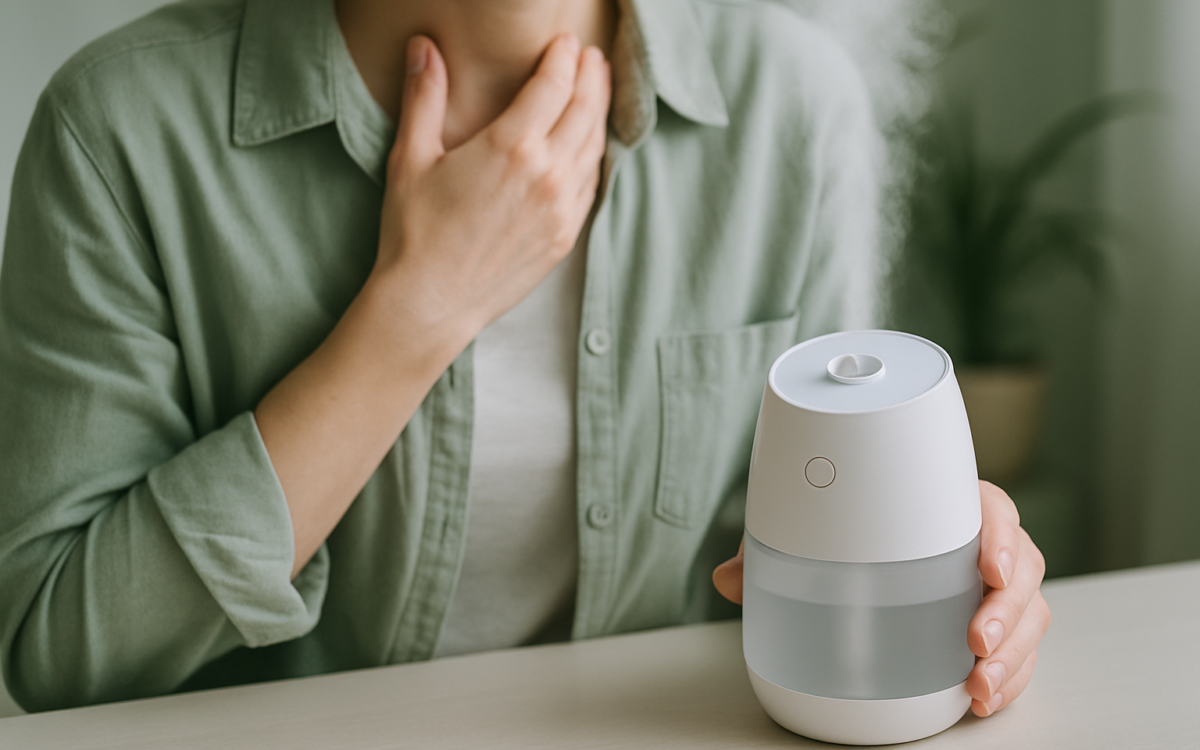
Have you ever woken up with a scratchy throat or struggled to speak clearly? Voice loss can be frustrating, whether caused by illness, overuse, or environmental factors. One often-overlooked solution to support your vocal cords is a humidifier. In this article, we’ll dive into how humidifiers can help during voice loss and provide tips on selecting and using one effectively.
Understanding Voice Loss
Voice loss, or dysphonia, can arise from various causes, including allergies, colds, flu, dehydration, and even stress. When the vocal cords become dry or inflamed, they can lead to a range of symptoms from minor hoarseness to total loss of voice. According to the National Institutes of Health (NIH), maintaining adequate hydration is crucial for vocal health.
Why Humidifiers Matter
Humidifiers add moisture to the air, which can help combat dry environments that often cause or worsen voice loss. Dry air can irritate your throat and vocal cords, leading to discomfort and a raspy voice. A humidifier helps by keeping these areas well-hydrated, making it easier for you to speak and sing.
Types of Humidifiers
When it comes to choosing a humidifier, you may encounter several types:
- Evaporative Humidifiers: These use a fan to blow air through a wet wick or filter, releasing moisture into the air.
- Ultrasonic Humidifiers: These create a cool mist using ultrasonic vibrations and are typically quieter than their evaporative counterparts.
- Steam Vaporizers: These heat water to create steam, adding warmth and humidity to the air. However, they can also be hot to the touch and should be kept out of reach of children.
Each type has its pros and cons. For voice loss, an ultrasonic or evaporative humidifier may be ideal as they typically distribute moisture without added warmth, reducing irritation.
How to Use a Humidifier for Best Results
To maximize the benefits of using a humidifier for voice loss, consider these practical tips:
- Choose the Right Humidifier: Select a humidifier suitable for the size of your room. A small unit may not suffice in a large space.
- Maintain Proper Humidity Levels: Aim for a humidity level of around 30-50%. Use a hygrometer (humidity gauge) to monitor levels.
- Keep it Clean: Regularly clean your humidifier according to the manufacturer’s instructions to prevent mold and bacteria growth.
- Use Distilled Water: This helps reduce the buildup of minerals, which can irritate your lungs when released into the air.
Other Benefits of Humidifiers
In addition to supporting vocal health, humidifiers offer other benefits. They can alleviate symptoms of allergies and asthma, reduce dry skin, and enhance overall comfort during dry seasons. This is particularly relevant in winter when indoor heating can dry out the air significantly. The Centers for Disease Control and Prevention (CDC) notes that proper humidity can help decrease the survival of viruses in the air, potentially reducing the spread of illnesses.
Complementary Strategies for Throat Health
While humidifiers play a significant role in managing voice loss, consider incorporating additional strategies to support your throat and vocal cords:
- Stay Hydrated: Drink plenty of water throughout the day. Hydration helps maintain mucus membranes and keep the throat moist.
- Avoid Irritants: Minimize exposure to smoke, strong aerosols, and other irritants that can aggravate your throat.
- Practice Vocal Rest: Give your voice a break to prevent further strain. If possible, avoid shouting or whispering, as both can be harsh on your vocal cords.
When to See a Doctor
If you experience persistent voice loss lasting longer than two weeks or if accompanied by additional alarming symptoms like swelling, pain, or difficulty breathing, it’s important to consult a healthcare professional. Voice loss can sometimes signal underlying conditions that require medical attention.
Conclusion
Incorporating a humidifier into your environment can significantly alleviate symptoms of voice loss and promote vocal health. Remember that while humidifiers can be a helpful tool, it’s essential to address any underlying causes of voice changes and prioritize hydration. By taking care of your voice and supporting it with the right environment, you can find your voice again.
