
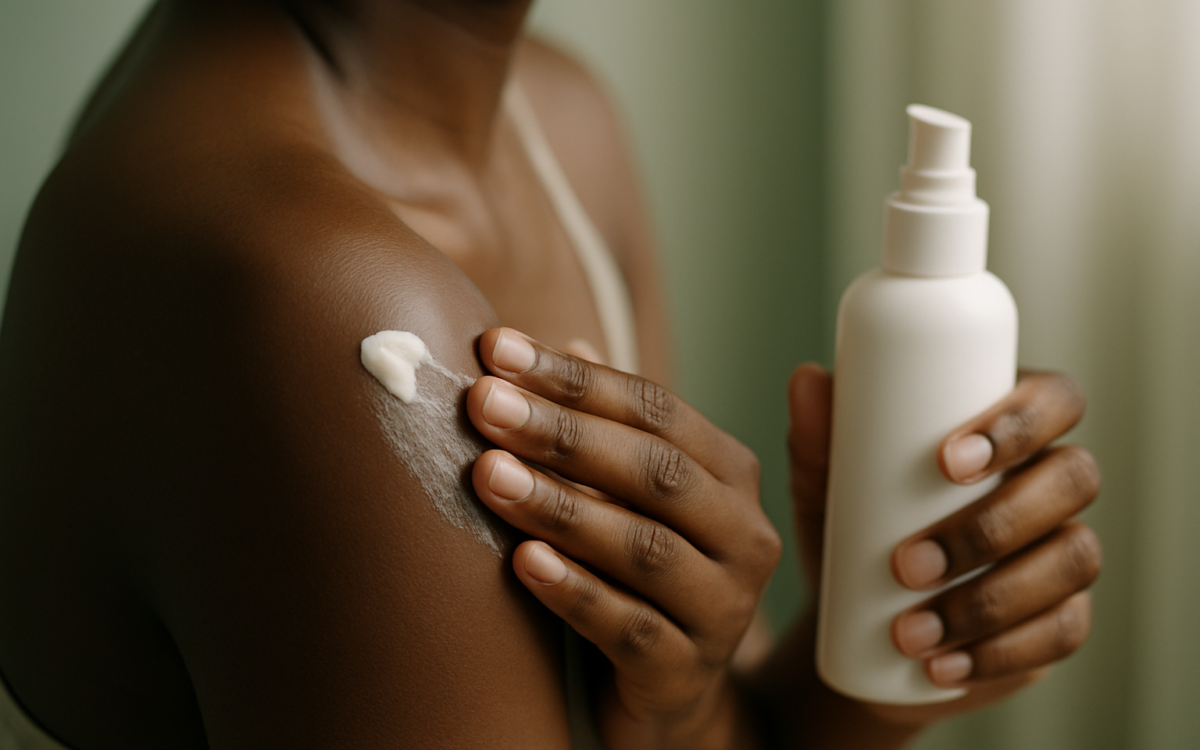
When it comes to sunscreen, many people may assume that those with darker skin tones have a natural shield against the sun’s harmful rays. However, that belief can be misleading. Skin of all colors can sustain damage from ultraviolet (UV) radiation, making sunscreen an essential part of any skincare routine, regardless of skin tone. Let’s explore why sunscreen is vital for black skin and how to choose the right product.
Understanding UV Radiation
To appreciate the importance of sunscreen, it’s essential to understand what UV radiation is. There are two primary types of UV rays that impact our skin:
- UVA rays: These penetrate deep into the skin and can accelerate aging and contribute to skin cancer.
- UVB rays: These rays are primarily responsible for sunburn and also play a role in developing skin cancer.
Many people with darker skin may think they are less susceptible to the effects of these rays. However, while darker skin has more melanin, which provides some natural protection, it is not immune to sun damage. According to the National Institutes of Health, people with darker skin tones can still experience sunburn, premature aging, and an increased risk of skin cancer.
The Importance of Sunscreen
Black skin can indeed have a slightly lower risk of certain types of skin cancer, such as melanoma, but that does not mean the risk is nonexistent. The American Academy of Dermatology highlights that early detection is crucial, and many can be diagnosed at later stages due to misattributing symptoms to other conditions. Regular use of sunscreen can help mitigate this risk.
Here are a few key reasons why sunscreen is essential for black skin:
- Protects against skin cancer: Regular sunscreen use decreases the risk of developing skin cancers, including melanoma.
- Prevents hyperpigmentation: Sunscreen can help prevent the darkening of scars and blemishes common in darker skin, keeping your complexion even and radiant.
- Reduces signs of aging: UVA rays contribute to premature aging, and using sunscreen can help maintain youthful-looking skin.
Choosing the Right Sunscreen
With so many options available, how do you choose the right sunscreen for black skin? Here are some factors to consider:
SPF Selection
The Sun Protection Factor (SPF) indicates how well a product protects against UVB rays. Dermatologists recommend using a broad-spectrum sunscreen with at least SPF 30, which blocks approximately 97% of UVB rays. If you’re spending extended time outdoors, consider a higher SPF for added protection.
Ingredients to Look For
Not all sunscreens are created equal. Here are some ingredients beneficial for darker skin tones:
- Chemical sunscreens: Ingredients like avobenzone, octisalate, and octocrylene absorb UV rays and often leave less of a white cast on the skin.
- Mineral sunscreens: Zinc oxide and titanium dioxide physically block UV radiation and can be suitable for sensitive skin, though they might leave a slight white tint.
Formulation Matters
Sunscreen comes in various forms: lotions, creams, gels, sticks, and sprays. Lighter formulations such as gels and sprays might absorb better into darker skin and reduce any white cast, while creams might offer a more moisturizing benefit. When choosing, consider your skin’s individual needs and preferences.
How to Apply Sunscreen Properly
Application is just as critical as the sunscreen you choose. Here are some tips to ensure you get the most protection:
- Apply sunscreen generously to all exposed areas of the skin, including the face, ears, neck, and any other areas that will be exposed to the sun.
- Use enough product—about a shot glass full for the entire body, and don’t forget areas often missed, like behind the ears and under the chin.
- Reapply every two hours, or more often if you’re swimming or sweating.
Common Misconceptions
There are various myths surrounding sunscreen and darker skin that need addressing:
- “I don’t need sunscreen because my skin is dark.” While more melanin offers some protection, darker skin is still at risk for harm from UV rays.
- “I can’t get sunburned.” Although it’s rare, sunburn can happen. It’s crucial to protect your skin nonetheless.
- “Sunscreen will make me look greasy.” Many modern formulations are lightweight and matte-finish, designed to minimize shine.
When to See a Doctor
If you notice any changes in your skin, such as new moles, changing existing moles, or persistent spots that do not heal, it’s essential to consult a healthcare professional. Regular skin checks are vital for everyone, especially for those with darker skin tones.
Skin health is integral to overall well-being. Understanding the role of sunscreen in protecting black skin is crucial for maintaining healthy skin throughout your life. Incorporating sunscreen into your daily routine can help prevent damage, enhance your complexion, and, overall, contribute to better skin health.
