
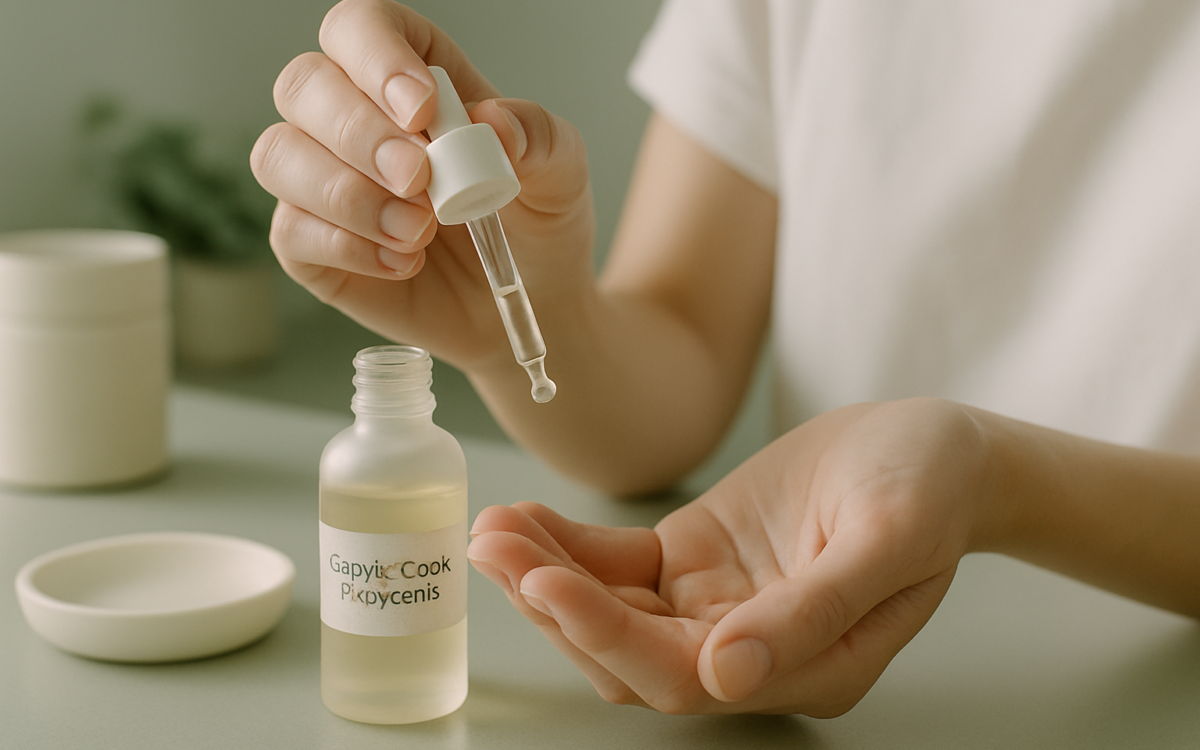
Caprylic/capric triglyceride is a special type of fat derived from coconut oil and glycerin. While it may sound complex, it’s actually prevalent in many everyday products, from skin care to food. Understanding its benefits and uses can help you make informed choices about your health and beauty routines.
What is Caprylic/Capric Triglyceride?
Caprylic/capric triglyceride (CCT) is a mixture of medium-chain triglycerides (MCTs) that mainly consist of caprylic acid (C8) and capric acid (C10). These fatty acids are known for their unique properties compared to long-chain triglycerides found in regular cooking oils. CCT offers a lightweight, non-greasy feel and can serve various functionalities in both foods and cosmetics.
Common Uses of Caprylic/Capric Triglyceride
One of the most appealing characteristics of CCT is its versatility. Here are some common uses:
- Skin Care: In beauty products, CCT acts as an emollient, providing hydration without clogging pores. It helps to improve skin texture and create a smooth application for creams and lotions.
- Food Ingredient: In the food industry, CCT serves as a food additive that enhances the texture and emulsifying properties of various products. It’s often found in peanut butter and chocolate, where it helps to stabilize the mixture.
- Dietary Supplements: CCT is also popular in health supplements, especially those aimed at supporting weight loss and energy because MCTs are easily absorbed and metabolized by the body.
Benefits of Caprylic/Capric Triglyceride
The benefits of caprylic/capric triglyceride are plentiful, making it a favorable choice for a variety of applications:
- Skin Barrier Support: Research shows that CCT helps maintain the skin’s protective barrier, locking in moisture and keeping the skin hydrated. This is crucial for individuals with dry or sensitive skin.
- Antimicrobial Properties: Some studies suggest that caprylic acid may have antimicrobial effects, which can be beneficial in topical applications. For instance, it may help combat certain skin irritations and conditions.
- Energy Source: MCTs are rapidly absorbed, providing a quick source of energy. This is particularly beneficial for athletes or those looking for a quick boost in energy without sugar crashes.
Safety and Possible Side Effects
While caprylic/capric triglyceride is generally regarded as safe, it’s not without potential side effects. Most people tolerate CCT well, but those who have allergies to coconut or palm oil should exercise caution. Always check ingredient labels or consult a specialist if unsure.
Moreover, overconsumption of MCTs can lead to digestive upset, including diarrhea. It’s advisable to start with small amounts if incorporating CCT into your diet or routine for the first time.
International Perspectives on Treatments with CCT
Caprylic/capric triglyceride’s popularity isn’t restricted to one region. Around the world, professionals recognize its potential both in cosmetic formulations and dietary applications. For instance, in various international wellness centers, CCT is used as part of holistic treatments for skin health and metabolic support.
Facilities such as Acibadem International consider MCT oil, including CCT, as beneficial in their innovative approaches to nutrition and skincare therapies.
How to Incorporate CCT into Your Life
If you’re interested in integrating caprylic/capric triglyceride into your lifestyle, here are some suggestions:
- Choose Products Wisely: Look for skin care items that list CCT as an ingredient. It provides hydration without that greasy feeling often associated with heavier oils.
- Cooking and Baking: Since CCT has a high smoke point, it’s suitable for cooking at higher temperatures. Incorporate it into recipes where you would normally use traditional cooking oils.
- Supplements: For a boost of energy, consider MCT oil supplements containing caprylic/capric triglyceride, especially if you’re engaging in high-intensity physical exertion.
When to See a Doctor
If you experience adverse reactions like skin irritation, allergic responses, or digestive issues after using products containing CCT, it’s important to consult a healthcare provider. Additionally, if you’re considering using CCT in your diet as a supplement, speaking with a doctor or dietitian can provide valuable insights tailored to your specific health needs.
In conclusion, caprylic/capric triglyceride is more than just a fancy ingredient. Its benefits range from skin care to dietary support, making it a widely sought-after component in many products. Understanding its uses and safety will help you make informed decisions about its role in your wellness journey.
