
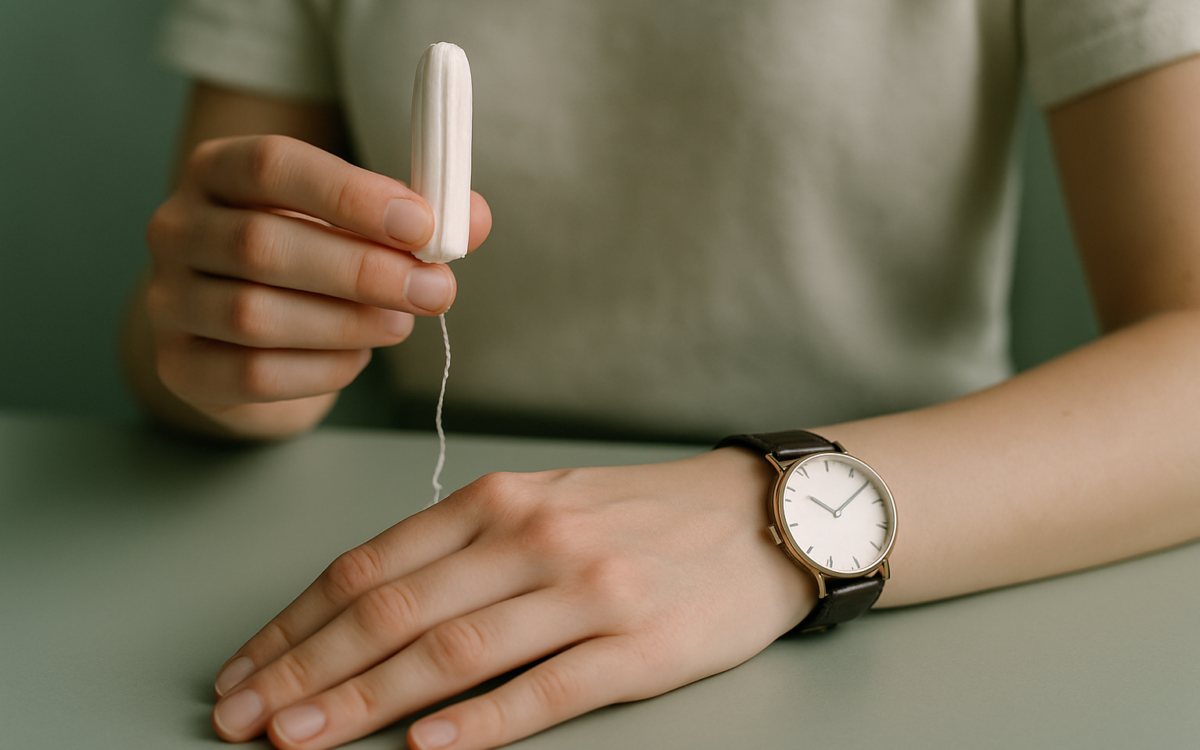
For many individuals who menstruate, tampons are a common and convenient option for managing their periods. Understanding how long to leave a tampon in, along with the best practices for using them, is essential for maintaining comfort and health during your menstrual cycle. In this article, we’ll explore the guidelines you should follow to use tampons safely and effectively.
How Long Can You Leave a Tampon In?
The general rule for tampon use is that you can safely leave a tampon in for up to 8 hours. However, it’s crucial to change your tampon regularly, especially in the early days of your period when your flow is typically heavier. Many healthcare professionals recommend changing your tampon every 4 to 6 hours as a safety precaution.
Understanding the Risks of Leaving a Tampon In
Leaving a tampon in for too long can increase the risk of a serious condition known as Toxic Shock Syndrome (TSS). TSS is a rare but potentially life-threatening condition that is associated with certain types of tampons, particularly those that are highly absorbent. Symptoms of TSS include:
- Sudden fever
- Rash resembling a sunburn
- Nausea or vomiting
- Dizziness or fainting
If you experience these symptoms while using tampons, it is crucial to seek medical attention immediately. For more information on TSS, you can check resources from reputable organizations such as the CDC or the NIH.
Choosing the Right Tampon for Your Flow
Not all tampons are created equal; they come in various absorbency levels, including:
- Light
- Regular
- Super
- Super Plus
Choosing the right absorbency can help you manage your flow and reduce the risk of TSS. If you have a light flow, a lighter tampon may be sufficient. Using a super absorbent tampon when it’s not needed can lead to discomfort and increase the risk of complications.
Proper Tampon Insertion and Maintenance
To ensure the best experience with tampons, follow these basic steps:
1. Wash Your Hands
Before insertion, always wash your hands thoroughly to avoid introducing bacteria into the vaginal canal.
2. Find a Comfortable Position
Many people find it easier to insert a tampon while sitting on the toilet or standing with one foot elevated. Relaxing your body can also help make insertion smoother.
3. Insert the Tampon
Hold the tampon applicator at the grip and angle it toward your lower back. Push the applicator until your fingers touch your body, then remove the applicator, leaving the tampon in place.
4. Change Regularly
As mentioned, avoid leaving a tampon in for longer than 8 hours. Set reminders if you often forget to change.
Disposing of Tampons Properly
When it’s time to remove a tampon, do so gently by pulling the string. Tampons should never be flushed down the toilet, as they can cause plumbing blockages. Instead, wrap the used tampon in toilet paper and dispose of it in the trash.
Recognizing the Signs of Tampon-Related Issues
While tampons are a safe and effective option for many, it’s essential to recognize signs that something might be wrong:
- Unusual odor
- Discomfort or pain during insertion or removal
- Signs of infection, such as abnormal discharge or itching
If you notice any of these symptoms, consider consulting a healthcare provider for advice.
Alternative Menstrual Products
While tampons are a popular choice for menstrual hygiene, there are alternatives available, including pads, menstrual cups, and period underwear. Each option has its pros and cons, so it’s worthwhile to explore what feels best for your body and lifestyle.
When to See a Doctor
Consult your healthcare provider if you experience:
- Severe discomfort during tampon use
- Signs of TSS
- Persistent vaginal infections or irritations
Your menstrual health is essential, and discussing any concerns with a medical professional can help ensure you make informed choices.
In conclusion, understanding how long to leave a tampon in is vital for your menstrual health. By following guidelines for safe tampon usage, you can enjoy comfort and confidence during your period. If you have any concerns or experience unusual symptoms, don’t hesitate to reach out to a healthcare provider. They can provide personalized advice and support.
