
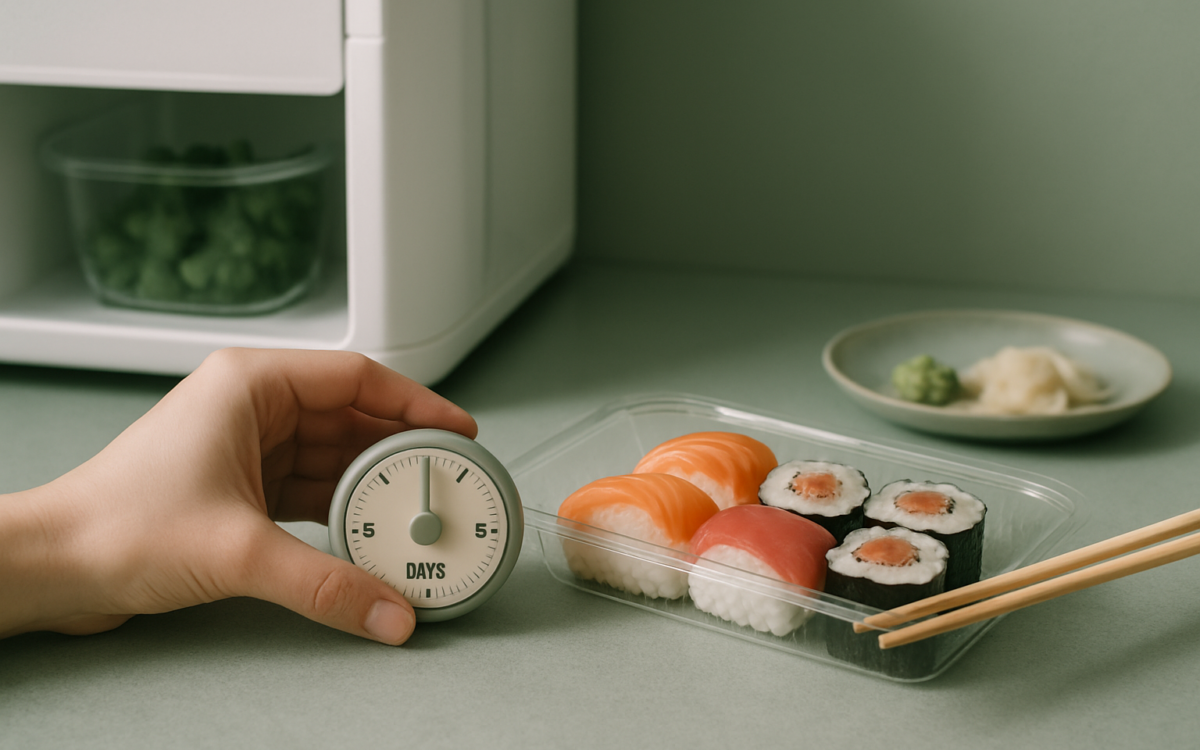
Sushi is more than just a meal; it’s an experience that combines unique flavors and textures. Whether you’re enjoying a delicious roll at a sushi restaurant or making it at home, it’s essential to know how to store it properly to ensure it remains safe and tasty. But how long is sushi good for in the fridge? In this article, we’ll explore sushi’s shelf life, storage techniques, and safety tips to help you enjoy this delightful dish without worry.
Understanding Sushi Types and Ingredients
To answer the question of how long sushi lasts in the fridge, it’s important to understand its different types and ingredients. Sushi can be broadly categorized into:
- Nigiri: A slice of fish placed on top of a small mound of rice.
- Maki: Rolled sushi that often includes vegetables and fish wrapped in seaweed and rice.
- Sashimi: Thinly sliced raw fish served without rice.
- Temaki: Hand-rolled sushi in the shape of a cone.
Each type of sushi has different components, including raw fish, cooked fish, vegetables, and rice, which can all influence its shelf life. Raw ingredients typically have shorter shelf lives than cooked ones.
Refrigeration Time Limits
In general, sushi is best enjoyed fresh. However, if you need to store it, here are guidelines for how long various types of sushi can be stored in the fridge:
- Raw fish sushi (Nigiri, Maki, Sashimi): Typically, raw fish sushi should be eaten on the same day it was prepared for the best flavor and safety. If stored in the fridge, it can last up to 24 hours, but quality may decline.
- Cooked fish sushi: Sushi made with cooked ingredients, such as shrimp tempura rolls, can last up to 2 days in the fridge.
- Vegetable sushi: Vegetable sushi tends to have a slightly longer shelf life, around 3 days, but it’s best to consume it as fresh as possible.
It’s crucial to always check for any signs of spoilage, such as off-smells or discoloration, before consuming sushi that’s been stored longer than recommended.
Proper Storage Techniques
Storage plays a vital role in prolonging the freshness of sushi. Here are some tips to store sushi safely:
- Keep it airtight: Use an airtight container or plastic wrap to cover sushi tightly to minimize exposure to air, which can lead to faster spoilage.
- Maintain the right temperature: Ensure your refrigerator is set to 40°F (4°C) or lower to keep the sushi chilled and safe.
- Avoid condensation: If sushi is warm when placed in the fridge, condensation can form and affect its texture. Cool it at room temperature for a short time before refrigeration.
Following these storage techniques can help maintain the quality and safety of your sushi.
Signs of Spoilage
Knowing how to spot bad sushi is crucial to prevent foodborne illness. Here are some signs of spoilage to watch for:
- Off odors: Fresh sushi should have a mild, pleasant smell. If it smells sour or has a strong fishy odor, it’s best to throw it away.
- Texture changes: If the rice feels overly sticky or mushy or if the fish appears slimy, it may no longer be safe to eat.
- Discoloration: Fresh fish should appear vibrant. If it looks dull, gray, or has brown patches, it may no longer be fresh.
If you notice any of these signs, it’s best not to risk it. Health authorities advise against consuming spoiled seafood, as it can lead to foodborne illnesses. For more information on food safety, visit the CDC.
When to See a Doctor
If you believe you have consumed spoiled sushi or are experiencing symptoms such as nausea, vomiting, diarrhea, or abdominal cramps, it’s important to consult a healthcare professional. Foodborne illnesses can sometimes become serious, so seeking advice is always a wise choice.
Conclusion
Enjoying sushi safely requires knowledge of its ingredients and proper storage methods. While sushi is best enjoyed fresh, understanding how long it can stay good in the fridge helps you reduce waste and stay healthy. Always remember to check for signs of spoilage and rely on your senses to determine if your sushi is still safe to eat. For more guidelines on food safety practices, the World Health Organization provides valuable resources to keep your meals safe.
