
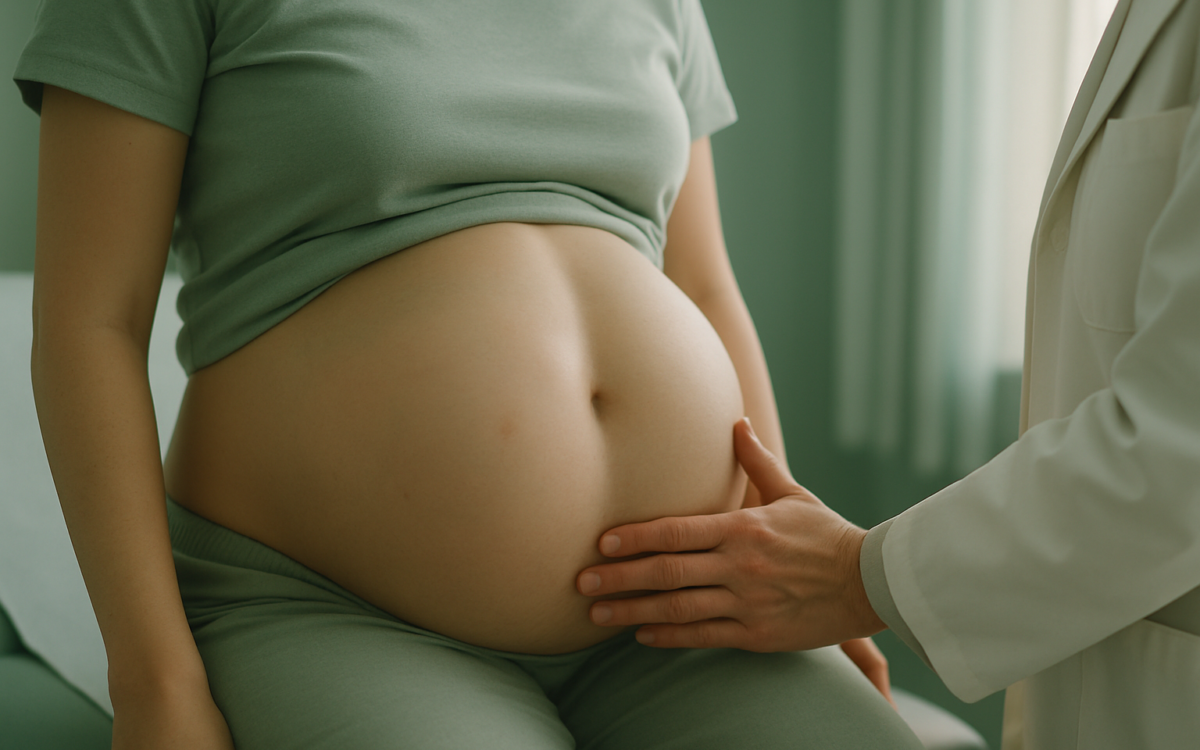
Twinning is a fascinating aspect of human biology, with various types representing different journeys of life. Among these types, didi twins stand out as a unique phenomenon. Commonly referred to as “didi twins,” these twins arise from two separate eggs being fertilized by two separate sperm. This article explores the nature of didi twins, their characteristics, potential health implications, and what to consider as part of their exciting journey.
What Are Didi Twins?
Didi twins, technically known as dizygotic twins, originate from the fertilization of two distinct eggs during the same menstrual cycle. This occurrence means that each twin has its own placenta and is genetically unique, similar to siblings born at different times. Didi twins are a common type of twinning and can occur in any pregnancy, though there are factors that may influence their likelihood.
The Formation of Didi Twins
Didi twins form when the following conditions occur:
- Multiple Ovulation: In a typical menstrual cycle, one egg is released from the ovaries. However, in the case of didi twins, two or more eggs are simultaneously released and are available for fertilization.
- Fertilization: Each egg can then be fertilized by its own sperm, resulting in two embryos that develop separately.
- Implantation: Each embryo implants in its own uterine lining, allowing for distinct placental environments.
The likelihood of having didi twins can be influenced by factors such as maternal age, family history of twins, and fertility treatments. Women over 30, especially those undergoing fertility treatment, are more likely to release multiple eggs at ovulation, increasing the chances of didi twins.
Genetic Diversity in Didi Twins
One of the most interesting aspects of didi twins is their genetic makeup. Since they come from two separate eggs and sperm, didi twins are genetically similar only like regular siblings, sharing about 50% of their DNA. This feature allows for more diverse physical traits, personality differences, and health predispositions compared to monozygotic (identical) twins, who share nearly 100% of their DNA.
This genetic diversity can also mean different responses to environmental influences. For instance, one twin may develop allergies or other health conditions while the other remains unaffected. Understanding these differences is important for parents and healthcare providers when monitoring the twins’ health and development.
Health Considerations for Didi Twins
While didi twins can generally lead healthy lives, their unique characteristics introduce specific considerations:
- Early Development: Didi twins might experience some discrepancies in growth and development due to being two separate embryos. Regular check-ups and screenings can help ensure both twins are growing at a healthy rate.
- Placental Health: Each twin has its own placenta, which can create unique challenges, such as increasing the risk of twin-to-twin transfusion syndrome (TTTS) if the placentas are sharing blood supply.
- Individual Development: Didi twins may grapple with competition for resources during early development, but they often thrive individually as they grow up.
Health monitoring becomes crucial. Parents should remain vigilant in identifying any irregular signs and consult pediatricians to ensure both twins are reaching developmental milestones.
Social and Psychological Aspects of Didi Twins
Growing up as didi twins can offer a unique social experience. While they are often compared to each other, their distinct genetic backgrounds foster individuality. Parents can support their twins by:
- Encouraging Individual Interests: Allowing each twin to explore activities and hobbies independently can help them develop their own identities.
- Supporting Sibling Relationships: Strengthening the bond between twins while recognizing their individuality can lead to a healthy relationship.
Research shows that while twins may face certain psychological challenges, such as identity confusion, fostering open communication can help them navigate their relationship effectively (National Library of Medicine).
When to See a Doctor
While most pregnancies with didi twins progress without serious issues, there are signs that warrant medical attention, including:
- Severe abdominal pain
- Unusual swelling or bleeding
- Signs of prematurity, such as contractions before 37 weeks of pregnancy
If you notice any of these symptoms, consult your healthcare provider for further evaluation and support.
Conclusion
Understanding didi twins enriches our appreciation of the incredible variations of human life. Through awareness of their genetic makeup, developmental considerations, and the social dynamics they encounter, parents, families, and friends can better support didi twins in their unique journeys. The essence of twinning is not merely in sharing a womb but in celebrating the distinct personalities that emerge from it.
