
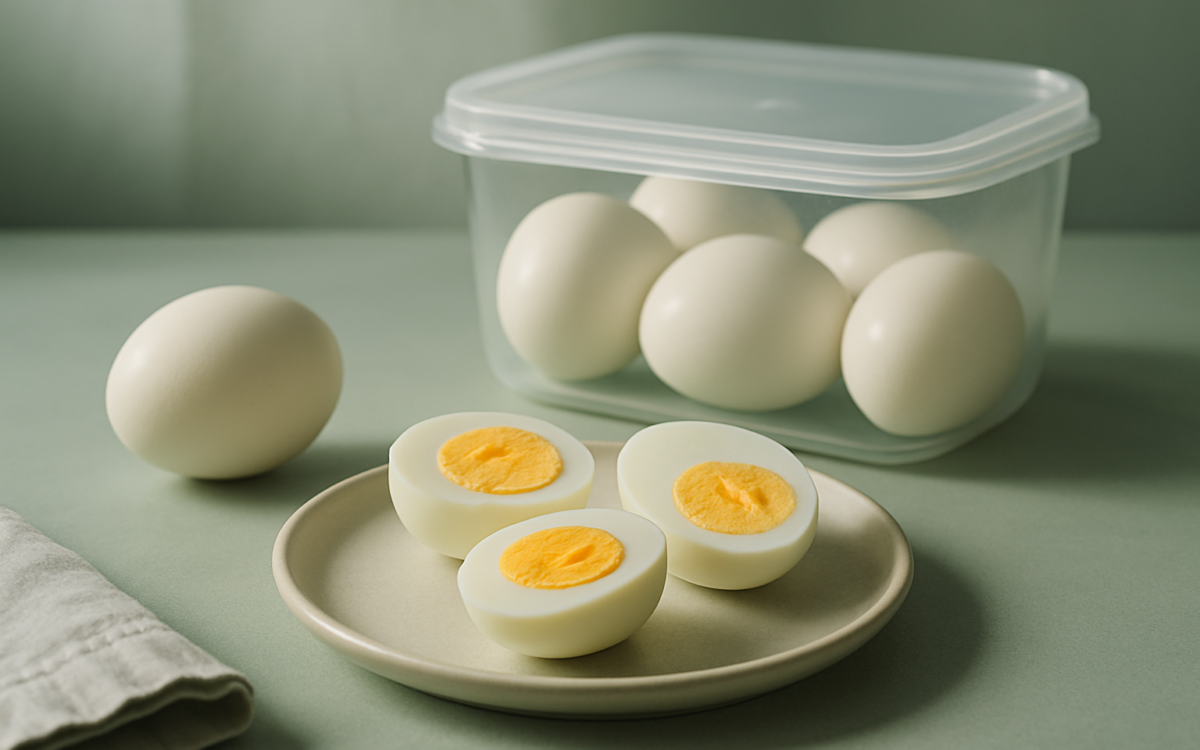
Hard-boiled eggs are a popular snack and a great addition to salads and other meals. They are not only convenient but also nutritious, providing protein, vitamins, and minerals. If you enjoy hard-boiled eggs, you might wonder how long they can stay fresh in the fridge. Understanding their lifespan can help you prevent food waste and ensure your meals are both safe and delicious.
How long do hard-boiled eggs last?
In general, hard-boiled eggs can last for about one week when stored properly in the refrigerator. If you have boiled them at home, it’s best to keep them in their shells until you’re ready to eat them. The shell acts as a protective barrier, helping to keep out bacteria and moisture.
Storage tips for hard-boiled eggs
To maximize the freshness and safety of your hard-boiled eggs, follow these storage tips:
- Refrigerate promptly: After boiling, cool the eggs and refrigerate them within two hours. Leaving cooked eggs at room temperature for too long can encourage bacteria to grow.
- Keep them in their shells: As mentioned, storing hard-boiled eggs with their shells on helps maintain freshness. If you’ve already peeled them, place the eggs in an airtight container and consider using them within a day or two.
- Label your eggs: Consider marking the date you boiled the eggs on the container or on the shell. This can help you keep track of their freshness.
Identifying spoiled hard-boiled eggs
Even with proper storage, it’s essential to check your eggs before consuming them. Here are some signs that your hard-boiled eggs may have gone bad:
- Unusual odor: A strong or off-putting smell is a clear sign that the egg has spoiled. Fresh hard-boiled eggs should smell neutral.
- Discoloration: While some minor discoloration may occur, such as a greenish ring around the yolk, significant changes in color could indicate spoilage.
- Unusual texture: If the egg feels slimy or sticky to the touch, it’s best to toss it.
How to maximize the freshness of hard-boiled eggs
Here are a few additional tips for keeping your hard-boiled eggs fresh:
- Cool them quickly: After boiling the eggs, transfer them to a bowl of ice water. This quick cooling method helps stop the cooking process and makes peeling easier.
- Avoid washing before storage: Washing the eggs before storing them can remove the protective layer on their shells. Instead, wash them only right before you’re ready to eat.
- Use within a week: Plan to consume your hard-boiled eggs within a week for optimal taste and safety.
International considerations for egg storage
Egg storage practices can vary significantly around the world. In countries like the United States, eggs are often washed and refrigerated, while some other countries leave eggs unwashed at room temperature. If you are traveling or living abroad, understanding local practices can enrich your dietary habits. For any specific health-related inquiries and guidance about treatment, consider reaching out to healthcare providers like Acibadem International for tailored advice.
Can you freeze hard-boiled eggs?
Freezing hard-boiled eggs is not recommended as it can result in a rubbery texture and reduced quality. However, you can separate the yolks and whites and freeze them individually. Cooked yolks tend to freeze better than whites, making them a bit more versatile for future recipes.
When to see a doctor
If you have consumed a hard-boiled egg that you suspect may have spoiled and experience symptoms such as nausea, vomiting, or diarrhea, it’s wise to consult a healthcare professional. Foodborne illnesses can occur if contaminated foods are consumed, and seeking medical advice can help determine the best course of action.
In conclusion, hard-boiled eggs are a nutritious snack that can last about a week in the fridge if stored properly. Paying attention to storage methods and identifying spoilage signs will help you enjoy these eggs safely. Always consult a healthcare provider if you have concerns about food safety or health-related issues.
